

Fence Installers on Avoiding Spaces and Heeling in Frost Zones
Cold environments do not forgive typical job. Anybody that has actually rebuilt a twenty foot entrance two times since the posts crept and the lock stopped catching knows the sensation. Frost discovers the weak link in a fencing, then broadens it period after season. The outcome knows: boards that unexpectedly reveal daytime near the bottom, rails that rack out of degree, and messages that heel a few degrees each winter months till the entire line looks exhausted. The repair is not mystery. It is physics, dirt, and discipline at every step.
I have actually set countless articles across freeze lines from Maine to Minnesota. Some jobs went perfectly right from the very first thaw. A couple of educated difficult lessons the next year when the snow pulled away and the rails smiled back at me. What complies with is just how proficient Fence Installers keep fences tight to grade and standing plumb via winter seasons that turn rock to marbles and clay to jackhammers.
What frost is doing under your fence
Frost heave is not just the ground increasing. It is water moving to a freezing front, creating ice lenses that can raise with astonishing pressure. Clay soils are the worst. They hold water like a sponge and have great pores that pull wetness up. Silts can be nearly as poor. Well rated crushed rock and coarse sands drainpipe and seldom heave, also when the frost line runs deep.
When the top layer ices up, it grabs anything harsh or large in it, including your concrete collars and article sides. If the dirt listed below the freeze line is completely dry and the post base is formed to resist lift, the top can slide without dragging the entire assembly up. Otherwise, you get uplift in winter and a permanent space when the ground calms down in springtime. A couple of cycles like that and the blog posts lean, rails misalign, and lower gaps show up huge sufficient for the neighbor's dog.
The two creates that develop most gaps
Gaps at the bottom of a fence frost areas generally originate from two technicians working together.
First, the messages move. Either they lift seasonally due to the fact that the ground is shaped like a cylinder that enables the dirt to order it, or they heel due to the fact that the backfill is weak on one side. Even a quarter inch of motion per freeze can generate a one inch daylight by March.
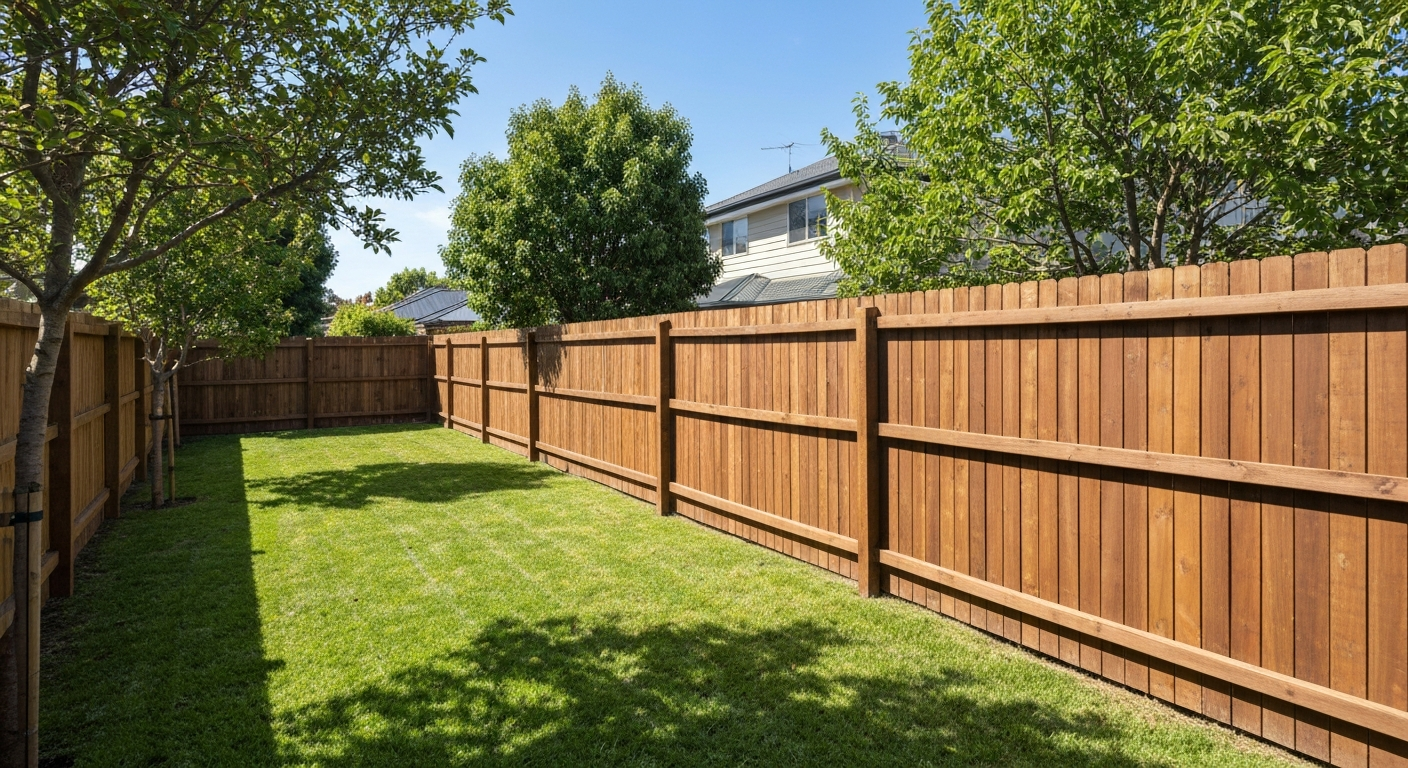
Second, the fence is developed as if the grade is long-term. A straight bottom rail installed limited to an autumn or hump will certainly telegram frost activity visibly. You think the fencing relocated, when in truth the terrain breathed under it and the rails rejected to follow.
Experienced Fencing Contractors style for both. They anchor the messages listed below frost and assemble the fencing so tiny seasonal changes do not equate into ugly gaps.
Depth, size, and shape: where blog post openings go wrong
The frost line is not an assumption. It is a target. Structure divisions release frost depths for foundations. Utilize those numbers. In the upper Midwest I have actually worked with 42 to 60 inches. New England communities typically establish 48 inches. If you do unclear that barrier with all-time low of your ground, absolutely nothing that complies with will save the fence.
Depth alone is not nearly enough. Opening size and the ground form issue equally as much.
A straight sided cylinder bonded to a wood or steel blog post is an ice elevator. The top dirt holds that smooth side and, as ice lenses grow, they bite and lift. The solution is a belled base and a launch above.
We bell all-time low by widening the last 6 to 12 inches of the opening two to four inches over the shaft diameter. Picture a mushroom cap at frost secure depth. When the ground tries to draw, the bell resists mechanically. Above, do not create a smooth concrete chimney that frost can grab. If you put to quality and complete a neat cyndrical tube, you developed a manage. Much better to end your concrete 3 to 6 inches listed below grade, then backfill the leading with compressed, totally free draining pipes material.
On clay websites with consistent heave, I commonly go one size larger in opening size, from 8 inches to 10 or perhaps twelve. The bigger bell spreads lots and shops mass where you require it. The small increase in concrete cost is inexpensive insurance compared to relining articles in the 2nd spring.
Gravel, concrete, or both
Ask 3 Fence builders what to set posts in and you will hear three positive solutions. The right choice adheres to soil and load.
-
In well drained sand and blended crushed rock, compacted smashed stone around wood or steel articles carries out beautifully. I make use of three lifts of clean, angular rock, each compacted tough with a bar or pneumatic tamper. The rock locks, water drains away, and frost has extremely little to grip. For privacy panels that work as sails, I go twelve inches diameter and portable in 4 lifts.
-
In plastic clays and in high water areas, unreinforced concrete with a belled base is my default for lots bearing articles. I still include a few inches of compressed rock at the really lower to create a drain break. I quit the pour below grade and cap with drainable material. If the website fish ponds, I sometimes develop a thin sheath of sand around the top post to create a slip layer.
-
There are hybrid information that work. For wood, I like a concrete bell and collar at the bottom 3rd, after that compressed stone up the shaft, covered with a geotextile layer and native dirt. This provides base resistance and side slip, with drainage where it counts.
Helical stacks and ground screws have actually gained an area in my set for issue soils and for winter months installments where excavating is ruthless. A certified Fencing Contractor with a torque meter can set up helical anchors below frost and bolt a post brace ahead. The stacks relocate less than traditional footings in most frost conditions due to the fact that the helix rests well listed below freeze deepness and the slim shaft offers little surface for frost to get hold of. They are not inexpensive, but neither is rebuilding.
Release layers and sleeves
Much of frost's mischief originates from skin friction. If the icy soil can not stick, it can not lift.
Plastic blog post sleeves, asphaltic layers, and HDPE slide collars all develop a reduced rubbing user interface on the top portion of a ground. On steel blog posts we occasionally cover the leading 24 inches with a heavy poly sleeve prior to backfilling. With concrete, a slim polyethylene kind lining in the leading foot jobs. I have actually additionally utilized bituminous finishes on sonotubes for entrance articles. The concept is straightforward, minimize adhesion where frost forms. You do not need this on every blog post, but on north encountering lines, shaded passages, and limited clays, it gains its keep.
Getting the lower line right
Assume your fencing will certainly see some movement. Develop so the bottom edge does not broadcast every millimeter.
A strong bottom rail is stylish on a dead flat grass. On a yard with a 2 percent pitch and a couple of frozen bumps in March, it will certainly blink voids. I prefer to rack panels or tip the line with purpose. With racked panels, the pickets follow the grade, maintaining aesthetic voids small even when the planet relocates a little. With stepped runs, I plan the actions at sensible breaks and accept that snow drift lines will certainly highlight them for a month or more a year.
For picket fencings, maintain least 2 inches clearance from quality. It looks airy and it eliminates the lure to explore the turf and create a dust dam. When frost lifts the yard or a mole gos to, that clearance becomes your buffer. For privacy panels, four to six inches is typically best, depending on wind lots and water drainage. Taller fences benefit from a bit more clearance. You do not want damp boards deteriorating in snowbanks.
If the property owner demands a fencing that kisses the turf, construct a separate ground skirt. A cured or composite trim strip floated on flexible risks can ride the grade and be transformed easily. Save the structural panels from the seasonal press and pull.
Gates and the lie they tell
Gates call out any type of activity rudely. If your line blog posts slide a quarter inch, you may not observe. If the latch side and hinge side shift contrary each various other, your gate will certainly not close. In frost zones, gates are entitled to special footing details.
I set gate joint and lock posts a minimum of one dimension larger in diameter, bell the base, and, when budget plan allows, switch over to steel or laminated composite articles wrapped to match. The tightness prevents long-term creep. I also decouple eviction from the panel run with expanders or slotted equipment when utilizing plastic. On timber, I develop the gate leaf with angled compression, usage with bolts, and set the lower rail up from quality to maintain it free of frost ridges and wet snow.
A helical pile with a steel brace under each entrance message is my silent fave on clay hillsides. They remain where you placed them. I have entrances on helicals that still lock with one finger after five Maine winters.
Drainage is structure
Water seeks your blog posts. It adheres to the disturbed trench you dug between holes, it sits in the clay dish under each footing, and it ices up where it will certainly do the most damage. You do not require French drains pipes all over, but you should think like water.
Keep message holes dry throughout install. If you hit a seep and water is rising, quit, produce a sump below your bell with clean rock, and consider perforated weep tubing bent on daylight if the site slopes. Never put concrete right into a soup of slurry and hope. It establishes weakly and clings to the soil when you want it to release.
Backfill the leading foot of every hole with drainable material. A ring of compressed washed stone around the article neck creates a little moat that alleviates stress as dirts freeze and increases. On new builds with watering, move heads and drip lines far from the fence line. Nothing reverses careful ground work much faster than a sprinkler saturating a clay strip that freezes every evening at 20 degrees.
Soil truthing prior to you commit
The quickest website research study is in your auger. Listen as you dig. Does the hole wall smear and shine, or drop away like sugar? Does water glow at 24 inches? Are there rust stains from seasonal saturation? I maintain an easy field kit: a mason jar for a shake test, litmus strips for fast pH on wood websites, and a probe rod marked to frost depth. This is not laboratory scientific research. It suffices to alter a detail that would or else fail.
If you are bidding, build soil danger into the number. Great Fencing Builders are not pricey if their work lasts a years. They are cheap. A low cost that neglects drain, dirt, and frost is not a bargain. It is a future repair work bill.
Wood, steel, plastic, and composite in freeze country
Material option communicates with frost performance.
Pressure treated ache posts do fine if outlined well. Set them free from standing water, cut tops to drop, and stay clear of burying untreated wood. Western red cedar articles look fantastic but inspect even more under load. In severe frost country, I like cedar rails and pickets on treated or steel blog posts. You obtain the appearance without the base failure.
Galvanized steel messages paired with timber or composite panels are underrated. The little area minimizes frost bond, the galvanizing stands up to rust in damp openings, and message sleeves offer you the aesthetic you want. Vinyl articles set in giant concrete cookies fail predictably when frost grasps the concrete. Vinyl constructed around steel spines prices far better.
Composite posts differ by brand name. Some creak via wintertimes, others stand real. If a composite system uses an interior steel support that runs listed below frost and does not depend on a large outside concrete collar, I will spec it on limited websites where long life matters greater than very first cost.
Real numbers from the field
A few functional dimensions:
-
In a 48 inch frost area with blended dirts, I established normal line blog posts at 54 to 60 inches deep, with a 10 inch shaft and a 14 inch bell. The added deepness hedges versus micro pockets of much deeper freeze near color lines or packed drive lanes.
-
Gate blog posts go 60 inches deep with a 12 to 16 inch bell. If I can put them on helical heaps rated to 2,500 to 3,500 foot extra pounds of torque, I do.
-
I crown concrete somewhat below grade, after that cap with a minimum of 4 inches of 3/4 inch tidy crushed stone compressed hard. On top, I return native soil to match the quality, not clay slurry.
-
For gravel established blog posts, I make use of 3/4 inch angular rock, not pea gravel. 3 to 4 inch lifts, defeated like you suggest it. Side rubbing in crushed rock is your pal because it drains.
-
Bottom clearance on personal privacy panels runs 4 to 6 inches from average grade. On picket fencings, two to three inches. Gates obtain an additional inch past the panel clearance to miss frost ridges.
These numbers flex with conditions. A south dealing with sandy lawn can accept much less. A shaded clay incline next to a driveway needs more.
How we build fences that do not heel
Here is the sequence my team complies with when frost remains in the image. It is not expensive. It is repeatable.
-
Probe and mark frost deepness by code, then include at the very least 6 inches. Call energies, confirm locates. Set out a straight line and examination article spacing with dry string and a degree prior to you ever before dig.
-
Bore openings large by 2 to 4 inches, bell the base with a spoon, and clean loose spoils. If water accumulates, develop a rock sump. Never ever put into standing water.
-
Set articles plumb utilizing temporary dental braces. For concrete, pour to three to six inches below quality, pole the mix to avoid spaces, and shape a minor cone far from the post to lose water within the opening. For gravel, place and portable in lifts till near quality, then lock the neck with densely compressed material.
-
Add a launch layer where frost attachment will certainly be worst. This can be a sleeve, a bituminous layer on the top foot of concrete, and even a sand coat in clay. Do not overcomplicate it. The goal is less skin friction above frost, not magic.
-
Assemble rails and panels with respect for quality. Rack or action with intent. Build gateways on stiffer posts and hang them after the articles have actually established. Adjust equipment with the understanding that very first year movement occurs. Schedule a spring check.
When a fence is already gapping or leaning
Not every task is brand-new. Many Fence Contractors get called when a fencing shows daylight each March. You can triage without tearing everything down.
First, procedure. Plumb each article and keep in mind the most awful heeling. View along the bottom sides and rails. Identify whether just a couple of messages are relocating or the entire line is slipping. If fewer than a quarter of the messages are at fault, you can detect repair.
For raised posts with undamaged panels, dig deep into around the neck to 18 to 24 inches, cut any type of concrete collar flush, and replace the leading backfill with compacted rock. Where the base is shallow, dig a side slot and install a side screw anchor or a brief helical brace to pin the message, after that rebuild the grade with drainable material. This saves yards of concrete and returns a line to plumb.
If whole panels rack seasonally and reveal voids, revise the assembly. Swap to rackable brackets or rehang with slotted connections. Add bottom clearance by trimming boards or replacing a trim strip with a floating skirt. On clay backyards with standing water, cutting a superficial swale to route meltwater far from the line typically jails the most awful heave the extremely following winter.
Gates should have committed repair services. Replace droopy timber pivots with via bolted band hardware. Add an adjustable drop rod or magnetic latch that can approve a quarter inch of seasonal drift without complaint. When doubtful, reset gateway articles deeper and bigger. Absolutely nothing solutions a misbehaving gateway like a ground that does not move.
Materials that exceed in frost
If you are choosing components, a few items overdeliver in freeze country.
-
Hot dipped galvanized steel messages with powder coated sleeves for appearances. They couple stiffness with reduced frost adhesion.
-
Rackable light weight aluminum panels that approve angle without dealing with. The lighter weight minimizes load on blog posts and the open pickets conceal small lower changes better than vast boards.
-
Vinyl with steel reinforced inserts instead of relying upon bulky concrete. The insert takes the architectural function, the plastic brings the finish.
-
Composite boards on steel structures for gates. They do not swell like wood, and steel frames remain square.
-
Geotextile fabric to different indigenous clay from your crushed rock backfill. It keeps your drainpipe layer tidy year after year.
None of these replace good footing geometry, yet they intensify it.
When the site itself is part of the problem
Some yards set you as much as stop working if you do not fix the surroundings. A slim side lawn shaded by a garage will certainly hold frost two weeks longer than the front lawn. The fencing line that hugs it will certainly look off up until May. In those spots, I prepare larger bells and even more clearance under panels, and I alert the owner. Assumptions become part of craftsmanship.
Driveways make complex frost. Snowplows push berms that shield and catch water, then the stuffed snow functions like a fridge freezer. Posts near asphalt often see deeper efficient frost. If I am within three feet of a drive or walk, I take on the deeper regional frost deepness rather than the code publication number.
In long runs throughout variable soils, do not force harmony. Switch details mid run. Use crushed rock establishes across the sandy patch, then go back to belled concrete in clay. An excellent Fencing Installer modifications tactics without dramatization, and the goal looks constant because the variation is under the surface.
What divides pros from patchers
Any Fence builder can set posts on a bright day and make a fence that looks directly at handoff. The difference receives February. Experts take dull steps that no person sees. They spend time on format so panels sit naturally on the terrain. They appreciate frost deepness and form footings to eliminate uplift. They stress over drain at each blog post so water has someplace to go besides into ice lenses. They spec materials that forgive a little activity and they information gates like small bridges.
If you are working with, ask pointed concerns. How deep will you set line blog posts and gate blog posts on this site? What is the plan for clay vs sand along the run? Do you bell grounds and leave concrete listed below grade? Will you utilize sleeves or slide layers near the top? Exactly how will you handle the incline by the maple and the shade beside the shed? An experienced Fencing Contractor can respond to in ordinary language and adjust for your yard, not simply recite a standard.
If you are developing your own, adopt the very same attitude. Frost is not the adversary. Neglecting it is.
A compact site list prior to you dig
-
Confirm regional frost deepness and utilities. Mark site and plan message spacing with grade changes in mind.
-
Identify soils at examination holes: clay, silt, sand, gravel, or a mix. Expect water at depth.
-
Choose message ground detail per zone: belled concrete in clay, compressed stone in rugged soils, or helical heaps for trouble places and gates.
-
Plan panel design and lower clearance based on quality. Choose where to rack and where to step.
-
Map water drainage. Maintain watering off the line, backfill tops with drainable product, and prevent concrete to grade.
The lengthy view
Fences in frost areas are not delicate if you construct them like small structures as opposed to decorations. The craft occurs listed below grade where no person looks once the staff leaves. Forming a footing that stands up to lift. Use materials that drain pipes and release. Offer all-time low of the fence breathing room so the ground can swell and kick back without telling everyone regarding it. Treat gateways like the requiring parts they are.
The first wintertime will certainly test your selections. The second will certainly make them evident. I have walked past fences we set ten years ago, still limited to quality, still plumb. The house owners never ever consider frost due to the fact that their lock clicks quietly each time they tip through. That is the mark of job done by Fence Installers who respect the cool and know how to collaborate with it, not against it. Whether you are a property owner picking amongst Fence Contractors or a Fencing Builder training a brand-new crew, those routines are what maintain voids away and uploads standing high when the snow melts.