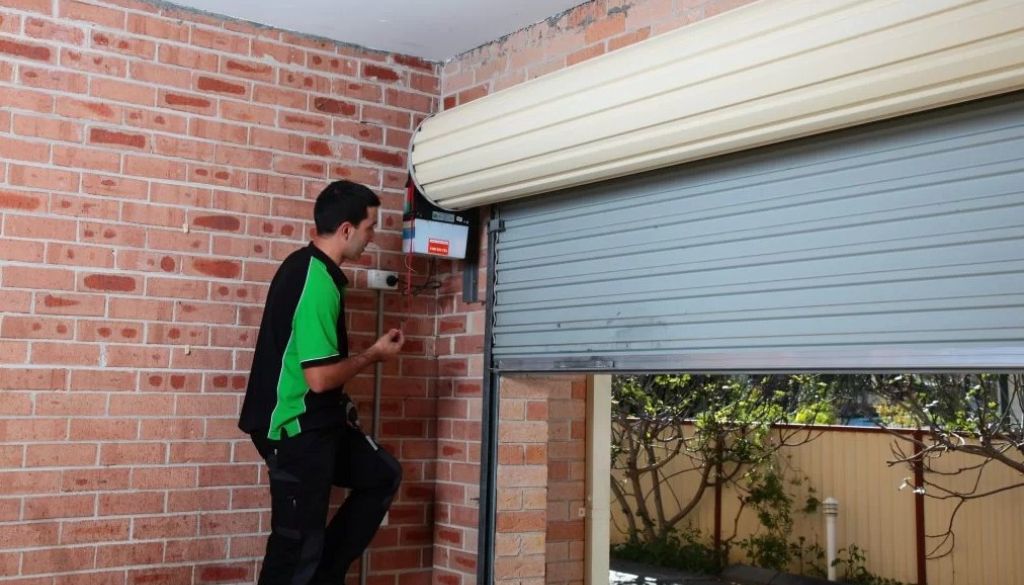
Garage Door Balance Troubleshooting and Inspection Tips
A garage door that feels “off” rarely gets better on its own. It may start with a small hesitation, a crooked movement, a louder opener cycle, or a door that does not seem to travel with the same control it once had. Many homeowners describe the problem as the opener “struggling,” but the opener is often only the part making the complaint audible. The real issue may involve garage door balance, hardware condition, sensor performance, or the way the door and opener work together as a system.
Garage door balance deserves careful attention because the door is large, heavy, and connected to moving parts under load. It is also tied directly to garage door safety. A residential automatic garage door opener is not just a convenience device. In the United States, automatic residential garage door openers are covered by a mandatory federal safety standard and must include entrapment protection, such as a photoelectric electric eye sensor or an equivalent safety system. That requirement exists because a closing garage door can create a serious hazard if the safety systems do not work as intended.
Good garage door troubleshooting starts with restraint. The most useful inspection is often not the most aggressive one. You are looking for clues, not trying to force the door into behaving. When balance problems involve garage door springs, torsion springs, garage door cables, or related hardware, the wise next step is usually professional garage door repair rather than a do-it-yourself adjustment. A careful homeowner can still do a great deal by observing the symptoms, testing safety reversal features, keeping the area clear, and knowing when to stop.
What garage door balance really means
Garage door balance is the condition that allows the door to move in a controlled way through its travel. When the system is properly balanced, the opener does not have to fight the door. The door should not lurch, drop, bind, or feel as though one side is doing something different from the other. Balance is not only about whether the door opens and closes. It is about how evenly and predictably it moves.
In the field, balance complaints often arrive as opener complaints. A customer might say the garage door opener sounds weak, the remote works only sometimes, or the door reverses for no clear reason. Sometimes the opener is part of the problem. Other times, the opener is reacting to a door that is no longer moving smoothly. That distinction matters because replacing an opener will not correct a door that has a mechanical problem.
A balanced door system depends on several components working together. Garage door springs help carry the door’s weight. Torsion springs, where present, are part of that lifting system. Garage door rollers guide the door as it travels. Garage door tracks provide the path. Garage door cables help support and control movement. The opener adds powered operation, but it should not be treated as a cure for mechanical resistance. If the door itself is not moving correctly, the opener can mask the problem for a while, then make the symptoms more confusing.
The practical goal is simple: the door should move consistently, the opener should reverse when it is supposed to, and the safety systems should be tested regularly. The details, however, require judgment.
The first warning signs homeowners usually notice
Balance issues rarely announce themselves with one neat symptom. More often, they show up as a pattern. The door starts to sound different. One side appears slightly lower while moving. The opener seems to work harder near the top or bottom of travel. The door reverses during closing even though nothing obvious is in the way. A gap appears along the floor that was not there before. The door shakes more than it used to.
None of those symptoms proves a specific failed part by itself. A noisy door could involve rollers, tracks, lubrication, or hardware alignment. A reversing opener could involve the safety reversal system, an obstruction, sensor alignment, or a door movement problem. A crooked door could point toward cables, tracks, rollers, or structural issues. That is why garage door inspection should be systematic rather than rushed.
One service call I remember started with a homeowner convinced the opener was worn out because the door stopped halfway and reversed. The opener was not the first thing that needed attention. The door had begun traveling unevenly, and the opener was responding to resistance in the system. Had the homeowner installed a new opener first, the underlying problem would have remained. That is a common and expensive mistake.
A useful rule is to treat sudden changes more seriously than gradual annoyances. A door that has been a little noisy for months still deserves attention, but a door that suddenly drops, jerks, hangs crooked, or refuses to close safely should not be forced. Stop using it until it can be inspected.
Safety checks come before balance checks
Before thinking about adjustment or replacement, confirm that the door’s safety features are present and functioning. Automatic residential garage door openers must have entrapment protection. In many homes, that means photoelectric garage door sensors mounted near the bottom of the opening. These sensors are commonly called electric eyes. Their purpose is to detect an obstruction in the path of a closing door and help prevent entrapment.
The safety reversal system should be tested monthly. That monthly habit matters. A system can work for years and then fail because a sensor is bumped, wiring is damaged, an alignment changes, or the opener no longer responds correctly. If the door does not reverse when it should, the opener should be adjusted according to the owner’s manual or inspected by a professional. Do not keep using a non-reversing door and hope it behaves. Non-reversing garage door openers have been identified as a hazard, and fatal entrapment incidents have occurred with automatic garage doors.
Children need special attention around garage doors. They should be taught that the door is not a toy, that they should not run under a moving door, and that remotes and wall controls are not playthings. Remote controls should be kept out of their reach. That advice may sound basic, but it is one of the most important pieces of garage door safety because many accidents happen during ordinary routines, not during repair work.
A monthly safety check does not need to be dramatic. It should be consistent, deliberate, and done with the area clear. If anything seems wrong, stop and arrange proper inspection.
A simple homeowner inspection routine
The safest and most useful homeowner inspection is visual and operational. You are not disassembling the system. You are watching how it behaves and looking for obvious defects or changes. Good garage door maintenance starts with noticing small problems before they become urgent.
Use this short inspection routine when the door area is clear, the lighting is good, and you are not rushed:
That list is intentionally short. A longer checklist can create a false sense of confidence and encourage people to go further than they should. The goal is to identify whether the door appears safe to operate and whether professional garage door repair is needed.
During an inspection, pay attention to rhythm. A door that moves smoothly for most of its travel but hesitates in the same spot each time is telling you something. A door that changes sound near the floor may be encountering resistance or opener force issues. A door that starts straight and then shifts can suggest uneven loading or guidance trouble. These are observations to report, not invitations to pull parts loose.
The balance test many people misunderstand
Homeowners often hear about “testing garage door balance” and assume it is a quick do-it-yourself adjustment. The inspection part can be simple, but the correction may not be. Balance is tied to the spring and lift system, and garage door springs are not casual hardware. Torsion springs and related components are installed to handle significant load. If adjustment is needed, that is professional territory.
The most responsible way for a homeowner to think about a balance test is not, “Can I tune this myself?” It is, “Does the door show signs that the lift system should be inspected?” If the door does not move evenly, if it seems unusually heavy, if one side lags, or if the opener appears to be compensating for resistance, the balance should be evaluated by a qualified technician.
There is also an important distinction between opener troubleshooting and door troubleshooting. Disconnecting an opener to move a door manually is sometimes discussed in owner materials, but it should never be done casually on a door that appears damaged, crooked, stuck, or unstable. A door with a balance or cable problem may move unpredictably when freed from the opener. If you have any doubt, leave it connected and call for service.
Balance problems are one reason garage door replacement sometimes enters the conversation. Not every troubled door should be replaced, and not every replacement solves every issue. A sound door with a hardware problem may only need repair. A damaged or deteriorated door may justify replacement, especially if repeated repairs are no longer giving reliable operation. That judgment depends on the condition of the whole system, not one symptom.
Springs, cables, rollers, and tracks all tell part of the story
When a garage door becomes unbalanced, people tend to focus on the springs first. That instinct is understandable because garage door springs do the heavy lifting work. Torsion springs, where used, are central to that support. Still, the door’s movement depends on more than springs alone.
Garage door cables help control and support the door’s travel. If a cable appears frayed, loose, uneven, or out of place, the door should not be forced. Cables are not cosmetic parts. A cable issue can affect alignment, movement, and safety. It is the kind of finding that should move the situation from casual garage door troubleshooting to professional inspection.
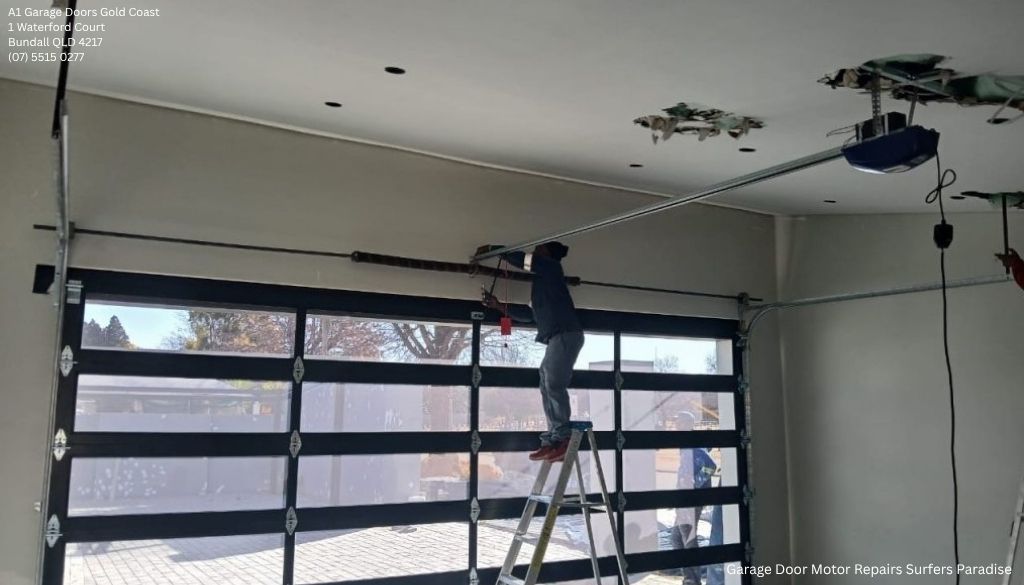
Garage door rollers also matter. Rollers that bind, wobble, or appear damaged can make the door travel unevenly through the garage door tracks. The opener may respond by stopping or reversing, particularly during closing. Tracks deserve the same careful attention. A track that is bent, obstructed, or out of line can create resistance that feels like an opener problem. Homeowners can look for obvious damage, but they should avoid hammering, prying, or forcing track adjustments without proper knowledge.
Garage door lubrication is another area where judgment matters. Lubrication can be part of routine garage door maintenance, but it is not a cure for broken parts, failed springs, damaged cables, or serious track problems. If a door is noisy because dry moving parts need attention, lubrication may help as part of maintenance. If the door is crooked, jerking, or unsafe, lubrication will not make it safe. I have seen plenty of doors sprayed heavily with lubricant while the real issue continued to worsen. The smell of fresh lubricant does not equal a repaired door.
When the opener is part of the problem
A garage door opener has its own safety and performance responsibilities. It should reverse when closing onto an obstruction, and its entrapment protection must function. If the door fails to reverse, the opener should be adjusted according to the owner’s manual or inspected by a professional. This point bears repeating because many homeowners treat reversing problems as an annoyance instead of a safety warning.
The opener can also make a balance problem more difficult to diagnose. If the opener is strong enough to move a poorly balanced door for a while, the homeowner may not notice the mechanical problem until the symptoms become more severe. Conversely, an opener that is out of adjustment or has a failing safety function may blame the door by stopping or reversing at odd times. The right inspection separates those possibilities instead of guessing.
Garage door sensors deserve particular care. If the sensors are blocked, dirty, misaligned, or not communicating, the opener may refuse to close properly. Since federal safety requirements call for a sensor or equivalent entrapment protection on residential automatic openers, bypassing sensors is not an acceptable repair. Taping a wall button, overriding a safety feature, or disconnecting a sensor to “get by” defeats the system designed to prevent injury.
If a garage door opener is old enough that its safety features are missing, unreliable, or inconsistent, garage door replacement or opener replacement may need to be considered. The priority is not convenience. It is safe operation.
Working around garage doors has real physical hazards
Even inspection work deserves respect. Garage door installation and repair often involve working at ceiling height, handling tools, reaching into cramped spaces, and maintaining awkward postures. Those conditions create physical hazards. Professionals stage the work carefully because they know a small loss of balance on a ladder or a poorly timed reach near a moving part can turn a routine task into an injury.
For homeowners, that means the safest inspection position is usually on the floor, at a distance, with the door in clear view. Avoid standing under a moving door. Avoid placing hands near rollers, tracks, cables, or spring components while the door is operating. Do not climb up to inspect ceiling-mounted opener hardware while the door is in motion. Do not let another person operate the door while you are leaning near it.
A rushed garage door inspection is worse than no inspection. If the garage is crowded, move stored items away first. If the light is poor, improve it before you start. If pets or children are nearby, pause the work. The door should have your full attention.
Common balance-related symptoms and what they usually mean
A door that closes partway and reverses may have a sensor issue, a safety reversal issue, an obstruction, or a movement problem. Start by checking the obvious and safe items: clear the opening, look at the sensors, and confirm the reversal system works as it should. If the problem persists, do not keep cycling the opener repeatedly. Repeated operation can make a mechanical issue worse and may put extra stress on the system.
A door that appears crooked or uneven in the opening is more concerning. That symptom can involve cables, rollers, tracks, or the door sections themselves. It is not a situation for force. If one side of the door is moving differently from the other, stop using it and arrange professional service.
A door that makes new scraping or grinding sounds deserves inspection even if it still opens. Sound is often the first sign of changing resistance. The cause may be minor, but the only way to know is to inspect. Garage door rollers and tracks are common places to look visually, though correction should be left to someone with the right training if damage or misalignment is present.
A door that seems heavy or causes the opener to strain points back toward balance. The opener should not be treated as a winch that overpowers a faulty door. If the door has become harder to move or the opener sounds labored, the spring system and related hardware should be evaluated.
A door that will not reverse properly is a safety failure. This is not merely a balance issue, but it belongs in every garage door troubleshooting conversation because it is one of the most important tests a homeowner can perform. A non-reversing opener should be adjusted according to the owner’s manual or inspected by a professional before normal use continues.
Repair, maintenance, installation, or replacement
The right remedy depends on the condition of the whole system. Garage door maintenance is appropriate when the system is fundamentally sound and needs routine attention, such as inspection, cleaning around sensors, safe lubrication of appropriate moving parts, and periodic testing. Garage door repair is appropriate when a specific component or adjustment needs professional correction. Garage door installation applies when new equipment is being added or a system is being set up. Garage door replacement becomes the better conversation when the door or opener no longer provides reliable, safe operation or when repair no longer makes practical sense.
These categories often overlap. A homeowner may call for garage door repair and learn that the opener’s safety system is the more urgent problem. Another may request a new opener and discover that garage door balance must be addressed first. A third may want basic garage door maintenance but have worn rollers or cable concerns that require repair. Good service starts by inspecting before prescribing.
Here is a concise way to think about the decision:
Cost should not be the only factor. A cheap repair that leaves a questionable safety system in place is not a bargain. At the same time, replacement is not automatically the professional answer to every issue. A careful technician should be able to explain what was found, why it matters, and what options are reasonable.
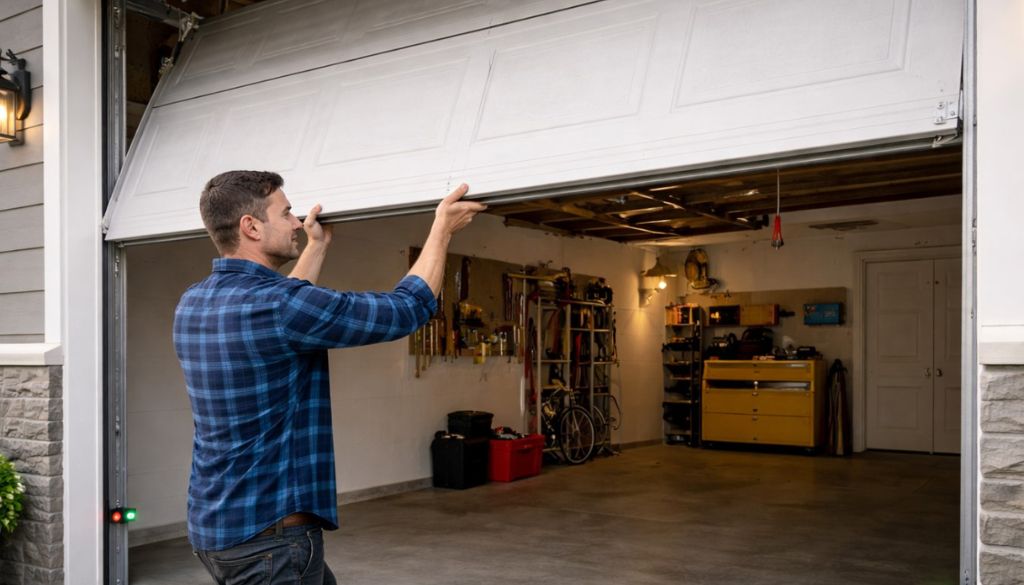
What to tell a technician when you call
A clear description helps the technician arrive prepared and reduces guesswork. Instead of saying only, “The opener is broken,” describe what the door does. Say whether it reverses, stops, hangs crooked, makes a new sound, or only fails at certain points in travel. Mention whether the photoelectric sensors appear to be lit or aligned, if your system has visible sensor indicators. Say whether the problem began suddenly or gradually. If anyone has recently bumped the tracks, stored items near the sensors, or performed work near the opener, mention that too.
Do not worry about using perfect terminology. A technician can translate “the left side looks lower” or “it groans near the floor” into an inspection path. What matters is accuracy. Avoid cycling the door ten more times to gather evidence. One or two careful observations are enough. If the door appears unsafe, stop using it.
Pictures can help if taken safely from a distance. A photo of the full door from inside the garage, a photo of the opener area, and a photo of the sensors can provide context. Do not climb, reach into the track area, or place yourself under affordable garage door installation Gold Coast the door to get a better angle.
Monthly habits that prevent bigger trouble
The most effective garage door maintenance habit is consistency. A monthly safety reversal test and sensor check take little time and can reveal problems before they become dangerous. Keep the threshold clear. Keep storage boxes, tools, bicycles, and toys away from the sensor path and door travel. Teach children not to play with remotes or wall controls, and keep remote controls out of their reach.
Listen to the door once in a while. Most homeowners know the normal sound of their garage door even if they do not think about it. When that sound changes, pay attention. A squeal, scrape, thump, or strain is useful information. So is silence in the wrong place, such as an opener running while the door does not move correctly.
Professional inspection is also part of responsible ownership. The frequency depends on use, age, environment, and condition, but the trigger is simple: when the door no longer behaves normally, have it inspected. Garage doors do not need panic, but they do require respect.
The judgment that keeps people safe
Garage door balance troubleshooting is less about heroic repair and more about disciplined observation. The door, opener, springs, cables, rollers, tracks, sensors, and safety reversal system all work together. When one part stops doing its job, another part often shows the symptom. That is why the safest answer is rarely to force the door, bypass a sensor, or keep adjusting the opener until it obeys.
A properly functioning opener should reverse when closing onto an obstruction. Photoelectric sensors or equivalent entrapment protection are required on automatic residential garage door openers for a reason. Non-reversing doors are hazardous. Monthly testing, careful visual inspection, and prompt professional attention are not extra chores. They are the basic practices that keep a heavy moving door from becoming a preventable danger.
If your garage door is uneven, unusually loud, reluctant to move, quick to reverse, or failing any safety check, treat it as a system problem. Start with safety. Observe carefully. Do not bypass protection. Bring in a qualified professional when the symptoms point beyond routine maintenance. That approach protects the door, the opener, and most importantly, the people who pass under it every day.