
Drooping Gate Fixes by Our Group
There's a certain noise a sagging gate makes when you draw it open as well quickly, that soft scrape followed by the anxious rattle of hardware that utilized to feel strong. The very first time you see it, you start negotiating with it. You lift slightly, you pull at an angle, you push as opposed to push. Then eventually it catches harder, drags across the ground, and you realize this isn't just an inconvenience. It's metal moving out of square, pivots taking irregular tension, and a framework that has actually moved longer than you think.
Our team treats a sagging entrance like a moving target. Every repair we make begins with recognizing why eviction is dropping in the first place, since "tighten the joints" is not a diagnosis, it's an assumption. In some cases eviction is simply heavier than it looks, occasionally the blog posts have actually changed, and sometimes the trouble remains in the ground, not eviction. Below is how we deal with sagging gate fixings from first call to last placement, with the sort of details that matter when you have actually done this sufficient times to learn where homeowners frequently obtain surprised.
What drooping really means (and what it doesn't)
When individuals say "eviction is drooping," they normally envision the bottom side going down straight down. That's one version, yet not the only one. In the area, we see a couple of unique patterns:
Sometimes the lock side decreases, which indicates pivot wear, joint spacing problems, or a post that has actually decided on one side. Various other times the gate drags along all-time low yet the leading remains near to its original line, which usually means eviction framework is racked or turned. After that there's the "it swings fine up until it shuts" variation, where the gate does not hang equally and the latch geometry begins combating you near completion of travel.
The daring part of this work is that the response is hardly ever simply one thing. Gates usually fall short through a domino effect. Dampness slips right into wood posts and hinge areas. Equipment loosens up a fraction. That portion includes stress to the rest of the system. The longer it goes, the less eviction appears like the rectangular shape it started as.
Step one: determine where the change happened
We begin by examining both structure and activity. An entrance can sag due to the fact that it moved, yet it can also sag due to the fact that the opening changed around it.
On a regular driveway or yard entry, the gate is sustained at 2 joint factors plus occasionally a third factor like a facility hinge or a latch-side support, relying on the design and weight. If the hinges are placed to a message that has moved or deteriorated, you obtain sag even when the gate itself is in good condition. If the gate frame is loose or the welds or bolts are falling short, the gate goes down even if the messages are solid.
We try to find ideas in three areas:
- the article movement at the joint side and the latch side
- the placement of the gate to the framework opening
- the problem of mounting factors, consisting of the wood or metal under the hardware
A fast "hand examination" aids, yet we don't depend on feeling alone. We enjoy the gate as it opens up and closes, and we keep in mind whether the issue is constant or only appears after the gate is packed with its own weight or a person pulling it. That difference can divide hinge wear from frame twist.
Hardware falls short in specific means, not arbitrary ones
Most sagging entrances are not sufferers of rotten luck. Equipment breaks down in repeatable patterns, specifically when gates are outdoors, subjected to rainfall, freeze-thaw cycles, and consistent wind pressure.
With timber gateways, joint screws and screws take the abuse of repeated load. Even when you utilize heavy-duty fasteners, the wood can compress with time, especially in softer areas or where the hinge was installed as well near to completion grain. When that takes place, the joint plate may stay connected however the placing surface sheds grasp. Eviction does not fall off quickly. It clears up gradually.

With metal entrances, rust and loosening are common. You might have a hinge that still looks penalty till you scuff away corrosion or examine the play in the hinge knuckles. A little looseness at the hinge becomes a huge problem at the end of the gate due to utilize. The same principle relates to latch equipment and any kind of center support.
We also take note of pivot kind and placement. Some joints are developed for entrances that rest completely plumb. If the hinge is set up at an angle relative to the opening, or if the gate framework is slightly out of square, you can obtain droop that really feels unpreventable even if the equipment brand name is "great." Eviction is fighting the geometry every single time it moves.
The "post examination" that saves time
If we believe the messages are the resource, we treat the blog post like the structure it is. A gate is a cantilevered lots when it's closed, and whenever a person utilizes it the system flexes. If the joint post is endangered, the fixing is only short-term if we do not resolve post integrity.
We check for rot in timber messages, loosened concrete in a typical set, and activity when stress is used. The objective is not to be significant. It's to avoid the circumstance where we replace hinges and change eviction, just to view the gate sag once more a few months later on since the blog post was relocating the whole time.
There's a trade-off we consider carefully. In some cases the blog posts are solid enough to re-anchor the joint equipment with better fasteners. Other times, you're far better off rebuilding or establishing a new article area. People hate listening to that, yet it's generally less expensive than duplicated "solutions" that don't resolve the origin issue.
Common creates we see in our repairs
Over time, particular causes turn up over and over. You can practically predict them based upon the residential or commercial property and eviction style.
With driveway gateways, the lower edge typically scratches initially. That's often associated with pivot wear incorporated with settling of the latch-side post, also if the hinge-side post looks fine from a range. With stroll gateways, the lock side can sag due to the fact that it sees less wind stress than the joint side, yet it still takes repeated shutting pressure. Over periods, the lock hardware and hinge hardware both get involved.
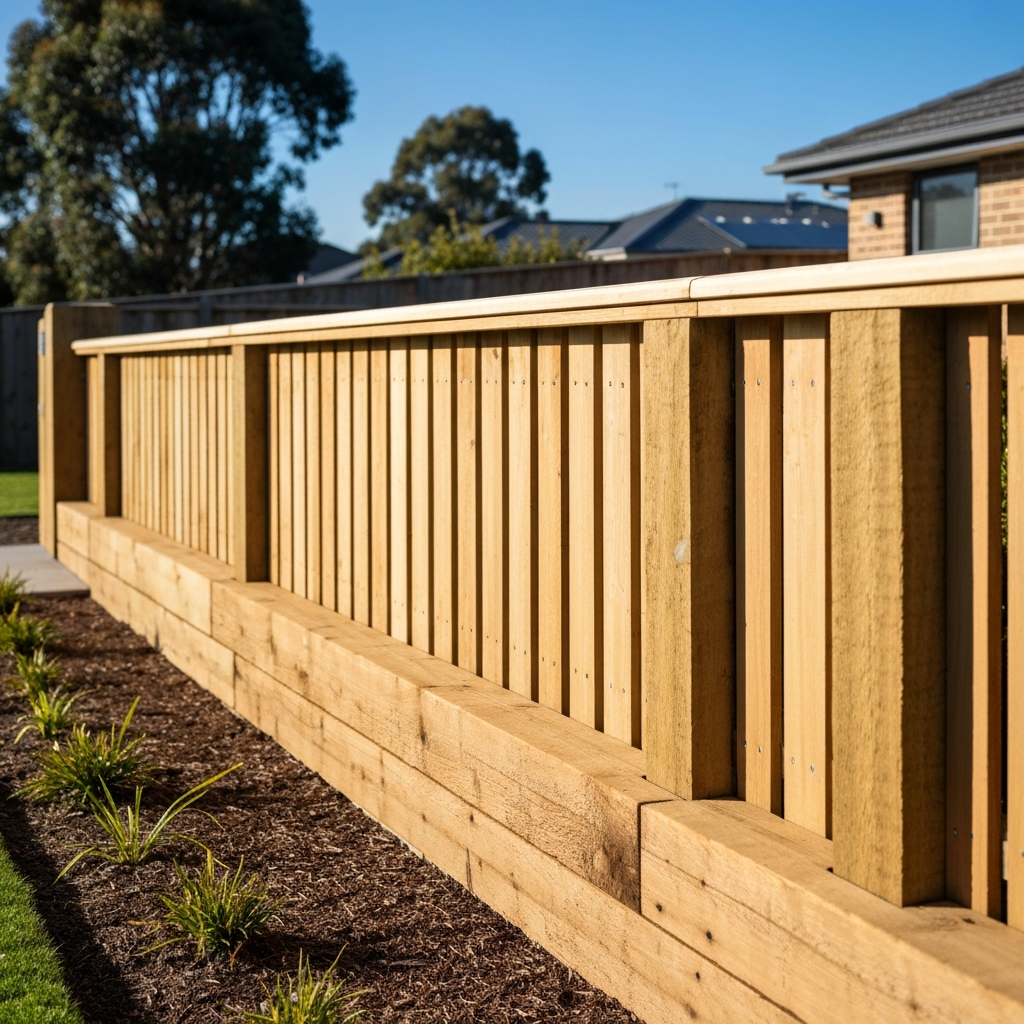
A hefty metal gate with a decorative top can additionally sag when the center of gravity shifts. If the gate got banged by a lorry or if somebody inadvertently utilized it like a handhold, the structure can be slightly racked, and the joint equipment after that bears a twist it was never implied to manage. That's when the "gateway is sagging" complaint develops into "it's sticking and the latch won't align."
And if your gateway remains in an area where lawn sprinklers hit it on a regular basis, we factor that into the medical diagnosis. Wetness speeds up corrosion and timber destruction around hardware. It likewise can alter how fasteners hold over time, so we consider not just what hangs now, but what is likely to loosen up again.
Repair choices we in fact make use of (and when)
A drooping gate can be fixed in several means, yet the appropriate approach relies on what relocated: the gate, the messages, or the mounting points.
Sometimes eviction is great and the hinge installing requirements support. Because case, we deal with positioning and reattach hardware to strong structure, not just to whatever is below it. If the fasteners have pulled out somewhat, we don't simply "make them tighter." We change or supplement attachment factors so the system returns to a steady, repeatable position.
Other times, the hinge plates and hardware are the incorrect kind for the tons and direct exposure. We might switch to hinges or placing kits created for heavier use, or we may include support at the hinge side and lock side to decrease stress concentration.
If the gate frame itself is out of square, we focus on aligning and re-anchoring. We check whether eviction can be readjusted back into placement without compromising structural integrity. If the steel structure is curved or the timber rails have actually shifted, the fix may entail supporting or replacing areas, since an entrance that is structurally turned will only act momentarily after hardware adjustment.
And then there hold true where the blog posts are the actual culprit. If a post is relocating, the gate will certainly maintain transforming alignment, despite new hardware. In those scenarios, our group focuses on maintaining or resetting the post so eviction can hang continually again.
An instance from the field: the lock side that wouldn't remain level
One of our even more unforgettable repair work included a gate that seemed alright when open, yet by the time it closed the lock had dropped just enough that the keeper would not capture cleanly. Home owners commonly explain that as "the latch is misaligned," which can be real, yet imbalance is usually a symptom.
We located that the latch-side blog post had minor movement, not the significant wobble you might observe on the first day. It was the sort of subtle change that takes place after years of freeze-thaw and wetness direct exposure. The hinge side still looked company, yet the latch side had worked out slightly, which developed a spin with the gate when it swung. Eviction wasn't just dropping, it was rotating into a new partnership with the opening.
Our group resolved it in a manner that prevented the spin from returning. We maintained the latch-side post and after that re-hung the gate so it moved via its arc efficiently. After that, the latch lined up without compeling it. That's the difference in between battling eviction on a daily basis versus bring back the geometry so it collaborates with you.
Another scenario: the bottom dragging that turned out to be a frame racking issue
We also see racking, where eviction framework becomes a parallelogram rather than a rectangular shape. The lower edge drags, but individuals usually focus on trimming or scuffing. Cutting can aid for a week, however it can likewise make the gate lighter in one place and change its equilibrium, which transforms exactly how it tons the hinges.
In a situation like that, we look for the structure rails and where eviction runs out square. As soon as you fix the geometry, the scraping normally vanishes without sacrificing eviction's structure. It's not constantly instant, and in some cases it requires adjusting hinge placements, adding support, or straightening elements very carefully so you don't create new stress points.
We're conservative regarding flexing or requiring frames. An entrance can be "nearly directly," and pushing it the remainder of the way can cause splits in older materials or weaken weld joints. The very best fixings value what the gate can handle.
The repair service day: how our team works
When we roll up to a job like this, we treat it like a little building and construction project, not a quick equipment swap. Gateway placement needs to be inspected under genuine problems, and that means we overcome it in a series that avoids incorrect starts.
We start by protecting the gate so it can be readjusted without abrupt shifts. After that we check the hinge posts, the mounting points, and the hardware. If eviction has hefty corrosion or jeopardized bolts, we intend the work so we can get rid of and reattach without stripping more material than necessary.
Next comes the placement stage. We change joint positions where appropriate and verify the gate's swing clearance. We likewise inspect the lock interaction and the lock or keeper positioning. The gate requires to shut smoothly, not with a twist you only see when the lock catches.
Finally, we verify longevity actions. Outdoor gateways stay in a cycle of damp and completely dry, heat and cold. So we see to it bolts are proper for outside use which any type of wood is taken care of in a manner that decreases wetness breach around the hardware. If we're collaborating with a fence company group that handles entrance equipment at range, we still treat every entrance as a special fit, due to the fact that also small variations in blog posts and openings can alter exactly how things settle.
If you're asking yourself whether we "level" whatever to perfection, the solution is that we go for regular feature first. A completely level entrance that binds or requires the latch is not a win. We want a gate that opens up and closes without anxiety, and hangs without scratching under its very own weight.
Tools and techniques that matter more than people expect
People think entrance fixing is mainly regarding joints, and joints are part of it, but the devices and method are what separate a great adjustment from a return visit.
We use determining and marking approaches to recognize positioning, not just to make eviction look far better. An aesthetic check can trick you if one joint side worked out slightly but the gate still "looks straight" from the driveway angle. We use the right support and momentary bracing so the gate isn't awaiting a way that develops misleading placement during the repair.
On the equipment side, the key is choosing fasteners that bite right into solid material and stand up to rust. Exterior problems are extreme, and weak fasteners are one of the fastest paths back to droop. We additionally take note of spacing and placing location. If you move joint mounting holes as well near to the edge of timber or into an area that has currently been jeopardized, you can lower the life of the fixing without realizing it.
Trade-off time: some folks desire us to use the existing holes to avoid extra boring or patching. In some cases that's penalty. In other instances, recycling endangered holes is a wager. We discuss the danger and recommend the more long lasting alternative when the structure enables it.
Wood versus steel: various troubles, various repairs
Wood gates and steel gates can both sag, but the "why" typically differs.
Wood gateways are susceptible to swelling, rot, and joint placing pull-out. If the hinge screws are in a wet area or the wood around the joint has softened, the hardware can hold momentarily, after that slide once again. Repairing timber gates often includes maintaining placing factors and making certain water does not maintain cycling into the exact same areas.
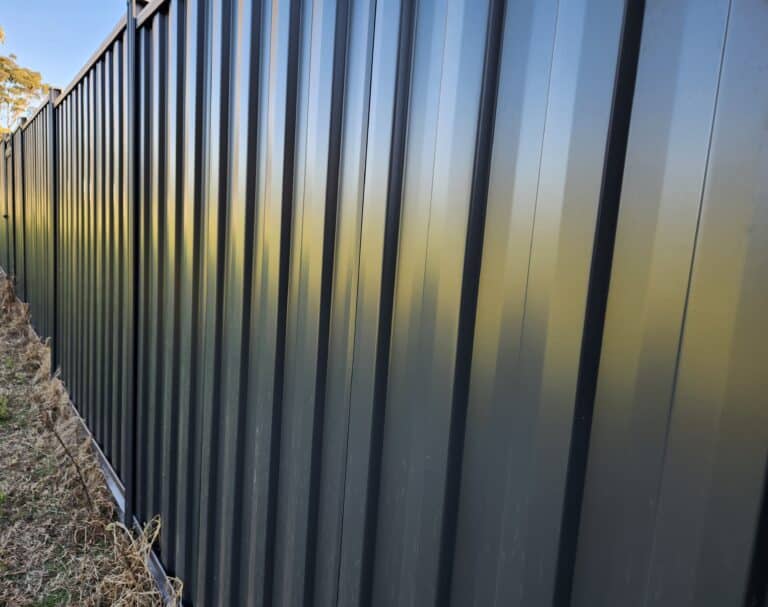
Metal gates are at risk to rust at bolts, hinge wear, and structure turning from influences or irregular load. As soon as steel hardware has actually confiscated partly from corrosion, it can resist movement and develop stress. You might feel an entrance sticking more than you observe sag in the beginning, and afterwards the latch stops working to align as eviction resolves under load.
When our group repairs both types, we treat them with various care. With timber, we beware regarding how we manage moisture direct exposure and the integrity of the hinge placing. With steel, we take into consideration rust at contact points and whether the joint system can take care of the load without binding.
Preventing a sagging gateway from coming back
The finest gateway repair is one that doesn't require a follow up. Prevention has to do with reducing the problems that caused the sag and boosting just how the gate manages load.
Sometimes avoidance is basic. Lube joints with the appropriate kind of lubricating substance for the hinge kind and do it on a timetable that makes good sense for your setting. Wipe down revealed metal equipment so corrosion has less opportunities to begin. Inspect the gate after large climate swings, especially if you've had high winds, heavy rainfall, or freeze-thaw.
Other times avoidance indicates dealing with the setup. If your gate is dragging after setup because the ground is uneven, the joint is obtaining hammered by duplicated effect. Even a couple of millimeters of constant massaging can put on points down fast. If the hinge post is close to a lawn sprinkler line, you're feeding the problem every week.
We likewise watch for incorrect use. A gateway that obtains slammed or leaned on comes to be a bar. People frequently lean due to the fact that it really feels practical. However the utilize is ruthless on joints and lock systems in time. We'll inform you how to avoid it without seeming like a lecture.
If we require a quick reality-check, we ask property owners a couple of questions, like whether the gate ever before captures in a certain spot or whether it started after a storm. Those details usually explain the direction of the sag and whether the origin is hinge wear, message movement, or structure racking.
A short checklist we make use of on-site
Sometimes you wish to know if your entrance is gone to trouble. Here's what we examine during a walk-through prior to we begin changing anything.
- Does the bottom side scrape much more when the gate is partly open than when it's fully open?
- Do you really feel looseness at the joint when you gently raise eviction or press it sideways?
- Does the lock miss out on by the exact same quantity every single time, or does it vary with weather?
- Are there visible gaps in between the gate and posts that are bigger on one side?
- Do the joint areas reveal rust, staining, or indications of moisture around fasteners?
If you acknowledge a pattern below, you're usually managing more than aesthetic sag. It's a mechanical positioning and assistance issue.
Why "simply change the lock" usually fails
An usual mistake is concentrating on the latch when the joint system is the genuine story. If the lock misses due to the fact that the gate has gone down or twisted, replacing the latch keeper does not deal with the geometry. It may even make the trouble really feel much better momentarily, until the lock fails again under the same conditions.
That's why we insist on examining just how the gate moves through its arc. If eviction's hinge points have actually shifted, the lock has no possibility of remaining lined up lasting. The lock is the end of the line, not the cause.
In repair work terms, this implies we spend more time than some individuals anticipate on joint adjustment and installing stability, not just lock equipment. We have actually seen gateways improved considerably when the sustaining framework is corrected, also when the latch was never ever the intended "solution."
What you can do prior to we arrive
If you're arranging a repair service and want to avoid making things worse while you wait, there are a couple of easy steps. We maintain them practical, since many property owners can do them without unique tools.
First, prevent knocking the gate. Also if it really feels solid, the joint system is under stress when it strikes the stop. Second, do not maintain requiring the latch to involve. Compeling can remove a caretaker, warp hardware, or make little misalignment develop into larger structure stress and anxiety. Third, clear the lower clearance so eviction isn't frequently scraping as wind and temperature change.
If eviction is a protection access and you need it secure, we commonly talk about short-term measures with you. Temporary support can stop more sag while we intend the irreversible solution. What we stay clear of is improvisating something that catches the gate in a twisted position, since that can secure the imbalance into place.
Our team's technique at a glance
We're a fence company, however we treat entrance fixing with the exact same severity as any type of other architectural adjustment. We don't simply exchange components and walk away. We fix the system so the gate acts as it was made to behave.
That indicates we check the posts and installing points as very closely as the gate framework, we line up the swing and lock geometry under genuine operating conditions, and we intend bolt and hardware options for exterior sturdiness. We likewise look for signs of activity that will weaken a fast repair later.
If you have actually coped with a drooping gateway enough time, you already recognize the emotional component of it: the daily rubbing, the sensation that you're doing upkeep that never ends. A great fixing breaks that cycle. When it's done right, the gate opens smoothly, shuts without force, and the latch catches with a tidy, foreseeable click.
Getting a quote the appropriate way
A call can start the process, but gateway repair service decisions rely upon what's in fact happening at your blog posts, joints, and frame. If you want the most exact estimate, share a couple of details: the gate kind (timber or metal), approximate size and elevation, whether it's a driveway entrance or a walk-through, and when the sag started. Pictures assist a lot, specifically photos of the hinge side and the latch side, and one picture revealing the lower clearance.
On-site, we validate the concern and advise the repair service path that makes good sense for the framework you have. Occasionally that means firm and strengthening. Often it implies hinge equipment upgrades. Sometimes it implies post stabilization. The goal is not to upsell a difficult fixing, it's to match the fix to the cause so you do not pay twice.
When your gateway is sagging, you're not seeking one of the most significant service, you're looking for the one that lasts. Our team goes after that, and we do it with care, with measurements, and with the sort of judgment you only get by seeing the same troubles appear throughout many residential or commercial properties in many climate cycles.
If you want to quit bargaining with your gate every single time it turns, this is the minute to repair what moved, not just what looks off.