
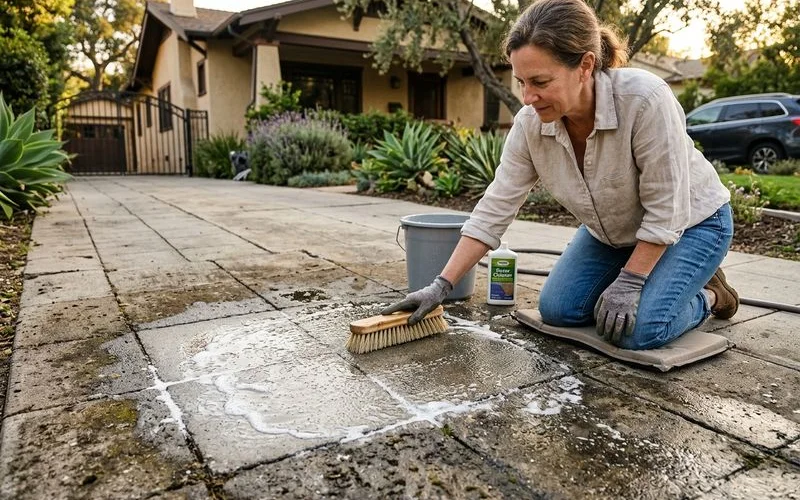
Firewise and Drought-Tolerant Landscaping in One Plan
A landscape in the San Gabriel Valley has to do a lot of jobs at once. It needs to look right against the foothills and the long, low light that comes off the mountains. It needs to hold soil on slopes, move stormwater without sending it where it should not go, and stay alive through heat and long dry stretches. It also needs to reduce fire risk. Those goals are not separate problems. In this region, they are really one design brief.
That is why the best landscape design here starts with water, slope, and fire behavior at the same time. If you treat drought resistant landscaping as a style choice and firewise planning as a separate add-on, the result is usually awkward and expensive. If you work from the beginning with irrigation, soil, exposure, plant selection, and defensible space in mind, the whole property becomes more resilient and easier to maintain. That is especially true on hillside properties, where the wrong plant in the wrong place can mean erosion, runoff, and a lot more labor than most homeowners expect.
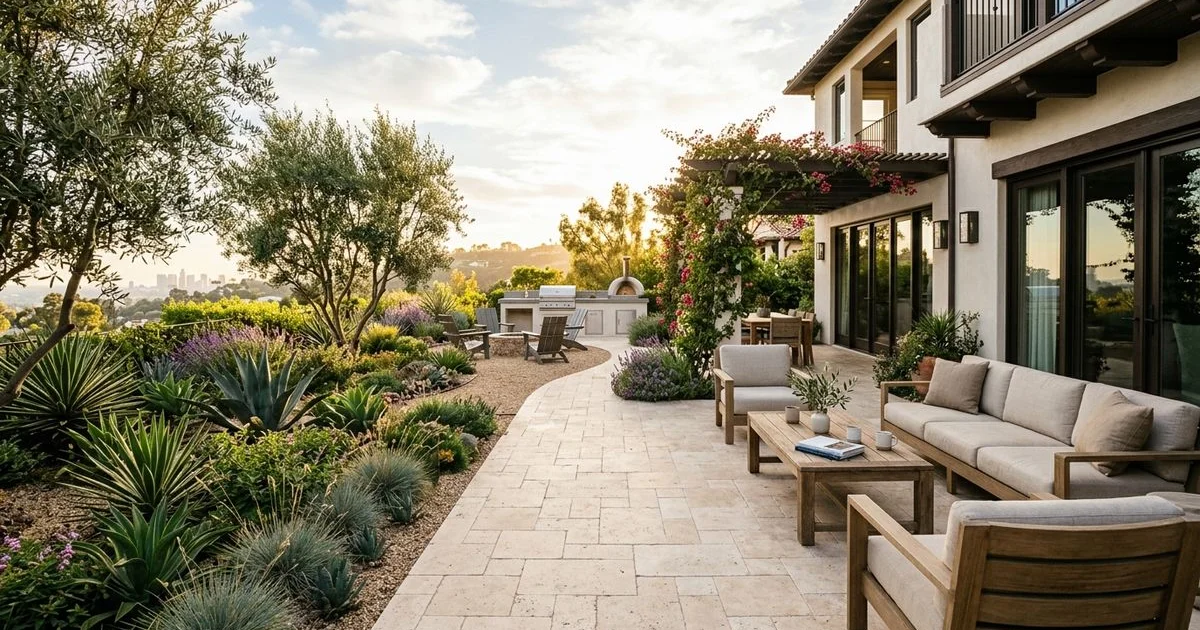
Start with the site, not the plant list
The most common mistake I see is rushing straight to plants. People fall in love with a look, then try to force it onto a site that clearly has its own rules. In the San Gabriel Valley, those rules are shaped by sun exposure, slope, soil, and the way water moves across the property. California’s water conservation guidance puts those factors first for a reason. Before removing turf or redesigning a yard, it makes sense to assess irrigation coverage, soil conditions, sun exposure, and the actual water needs of the plant palette.
That order matters. A front yard that gets full afternoon sun is a very different environment from a shaded side slope under a mature tree. A hillside that sheds water quickly has different needs from a flat lot that holds moisture longer. Microclimate is not a buzzword here, it is the difference between a plant that settles in and one that struggles from the first summer.
When I look at a property for a combined firewise and water-wise plan, I want to know where the wind tends to push through, which areas bake in reflected heat, where runoff collects after a storm, and where irrigation is already wasting water. That information tells you what can stay, what should be replaced, and what needs a structural fix before any planting begins.
Why firewise and drought-tolerant goals belong together
A lot of people still picture firewise landscaping as a dry, bare yard with rock mulch and a few distant shrubs. That is too simplistic, and in many cases it creates its own problems. A landscape can be both visually layered and lower risk if the design is disciplined. The key is separating plants, managing fuel, and avoiding dense, continuous vegetation next to the house or under vulnerable rooflines.
At the same time, drought-tolerant landscaping is not just about reducing irrigation. It is about choosing plants that fit the site, then supporting them with irrigation that delivers water efficiently. When those choices align, maintenance gets easier. Plants that are adapted to local conditions generally need less correction, less pruning, and less water over time. That is good for the budget and good for the long view.
The state’s Model Water Efficient Landscape Ordinance has pushed this thinking into the mainstream for new and renovated landscapes. It encourages climate-appropriate plants, efficient irrigation, and in some cases alternative water sources. That policy backdrop is useful because it reminds homeowners and designers that water use is not an afterthought. It is part of the landscape’s structure.
For the San Gabriel Valley, that framework fits the reality on the ground. The hillside visual character of the area is shaped by planting that has to live in heat, handle slope, and respect the surrounding environment. Water-efficient landscapes are not a compromise here. They are the appropriate response.
The practical sequence that avoids expensive rework
When a property needs both firewise improvements and drought resistant landscaping, the sequence is as important as the design itself. I have seen projects go sideways because the hardscape went in first without drainage planning, or the plants were installed before the irrigation was corrected. That usually leads to repairs within the first season.
A more reliable approach is to work in this order:
That sequence is simple, but it prevents a lot of wasted work. On hillside landscaping projects, for example, the drainage solution often shapes the final layout. If a slope is moving water too quickly, the site may need terracing, swales, or other hardscaping elements before it can safely support plantings. The plants then do their job of holding soil and softening the structure, instead of being asked to fix a grading problem on their own.
Hardscaping should support the landscape, not dominate it
Hardscaping plays a major role in a firewise plan, especially near the house and on steep ground. Pathways, retaining features, and paved areas can create separation between plant masses and reduce the spread of fire across the site. They can also help direct foot traffic so people do not wear unintended trails through slopes or planting beds.
Still, hardscaping should be used with restraint and purpose. Too much impermeable surface can worsen runoff and heat buildup. Too little structural support on a hillside can leave you with constant erosion and maintenance. The best landscape design uses hardscaping to solve specific problems: edge definition, slope stabilization, safe access, and zone separation.
On some San Gabriel Valley properties, this means using compact, carefully placed materials to frame planting areas instead of creating a sea of paving. On others, it means building modest retaining elements that break up the slope and give water time to soak in. The right answer depends on the site, but the principle does not change. Structural elements should make the property safer, easier to irrigate, and simpler to maintain.
Firewise planting is more about arrangement than aesthetics
A firewise planting plan is not a single style of garden. It is a way of arranging vegetation so it does not create easy fuel pathways. That starts near the house, where ember exposure is a serious concern. The immediate zone around a structure should be managed carefully, with plant choices and spacing that reduce the chance of ignition and slow the spread of heat.
Farther out, you can build a richer planting palette, but still with discipline. Group plants by water need and keep them from forming continuous, ladder-like fuel structures. Trees should not sit too close to shrubs that can carry fire into the canopy. Dense accumulations of dry material should be avoided, especially in areas where maintenance is difficult.
California native plants can work beautifully in this framework when they are placed thoughtfully. Manzanita, ceanothus, California buckwheat, California sagebrush, monkeyflower, foothill penstemon, and bunchgrasses all have a place in local landscapes when matched to the right exposure and maintained properly. San Gabriel oak, a locally named native species, also reflects the region’s botanical character. These plants are not magic shields against fire, but they are part of a landscape that can be designed to live with local conditions rather than fight them.
It is worth saying plainly that plant behavior changes with moisture, placement, and maintenance. A native plant that is overwatered, crowded, or allowed to collect dead material will not perform as well as the same plant used correctly. Firewise design is a habit, not a label.
Water-wise planting depends on real irrigation, not guesswork
A drought-tolerant landscape still needs water. The difference is that it should receive that water efficiently and in amounts that reflect the plants’ actual needs. This is where irrigation retrofits pay off. Drip systems, matched precipitation where appropriate, and corrected spray coverage can drastically reduce waste compared with old, broken, or poorly aimed systems.
The California guidance on landscape planning is practical here. It points homeowners to assess irrigation and use region-appropriate plant water needs, including resources like WUCOLS for plant water-use categories. That matters because plant labels alone rarely tell the full story. Two plants may be called drought tolerant, but if one needs more summer water to establish or maintain appearance, that difference should shape the design.
This is also where a lot of homeowners make an expensive mistake after turf removal. They remove the lawn, leave the irrigation untouched, and then wonder why their new plants fail. Turf systems are often designed for broad coverage, not precision. Once the lawn is gone, the irrigation should be redesigned to match the new planting zones. Otherwise, you end up watering rocks, walkways, or plantings that are already getting too much water while other areas stay dry.
Hillside landscaping needs erosion control built into the plan
On slopes, erosion control is not a separate concern from planting. It is the reason the planting plan exists. Hillside landscaping in the San Gabriel Valley has to account for gravity, runoff, and exposed soil. If those forces are ignored, a beautiful installation can unravel in one wet season or one irrigation mistake.
The most effective approach is to combine soil stabilization, well-placed hardscaping, and plant selections that can hold ground over time. Groundcovers and low, rooted plants can help, but they have to be chosen for the actual exposure and maintenance conditions. Slope planting should never rely on a single thin layer of ornamentals spread across bare soil. That is too fragile, especially where runoff gathers or where access for maintenance is limited.
I have seen slopes that looked finished on installation day and then developed rills because the irrigation was too aggressive or the soil was left too exposed between plants. I have also seen modest, well-sequenced hillside work hold up beautifully because the site was graded thoughtfully, the water was controlled, and the planting density made sense. The difference is usually not how fancy the design looked on paper. It is whether the design respected how water moves downhill.
A landscape that fits HOA rules and water restrictions
Homeowners in HOA communities sometimes assume they have less flexibility than they actually do. California water-restriction guidance makes clear that homeowners’ associations cannot prohibit certain water-efficient landscaping choices during drought-related restrictions. That does not mean every design choice is automatically approved, but it does mean water-wise decisions have a protected place in the conversation.
That matters for turf removal, irrigation conversion, and plant replacement. It also matters when a homeowner wants a more naturalistic native habitat garden instead of a heavily irrigated ornamental lawn. If the association expects a traditional look, the design still needs to be coordinated carefully, but water conservation remains a valid and important priority.
In practice, the best results come when the landscape feels intentional rather than defiant. A well-composed drought-resistant landscape can look polished, structured, and compatible with neighborhood expectations. The trick is balance. Use hardscaping to create clean lines, choose plants with repeat forms and clear spacing, and avoid a patchwork look that suggests the work stopped halfway through.
The plant palette should be chosen by zone, not by trend
One of the quiet strengths of California native plants is that they offer real design flexibility when grouped by exposure and moisture need. California buckwheat can carry a dry, sunny section with a light, airy texture. Ceanothus can bring stronger structure where there is room for it. Monkeyflower and foothill penstemon can work in narrower bands or smaller beds where color is needed. Bunchgrasses landscape solutions tailored to your property help stitch planting areas together without creating a heavy, continuous fuel mass. California sagebrush contributes a more rugged character that suits foothill settings when it has enough room and airflow.
That does not mean every property should become a native plant collection. The better question is what each part of the site needs. A hot slope might need plants that can tolerate reflected heat and limited irrigation. A transition area near a patio might need softer texture and lower maintenance. A frontage zone may call for a clear composition that reads well from the street while still staying efficient with water.
The San Gabriel Valley also has a strong habitat identity, and the nearby San Gabriel Mountains are home to many rare, threatened, and endangered species. That broader ecological context is one reason native habitat gardening resonates here. It is not only about saving water. It is about planting in a way that belongs to the place.
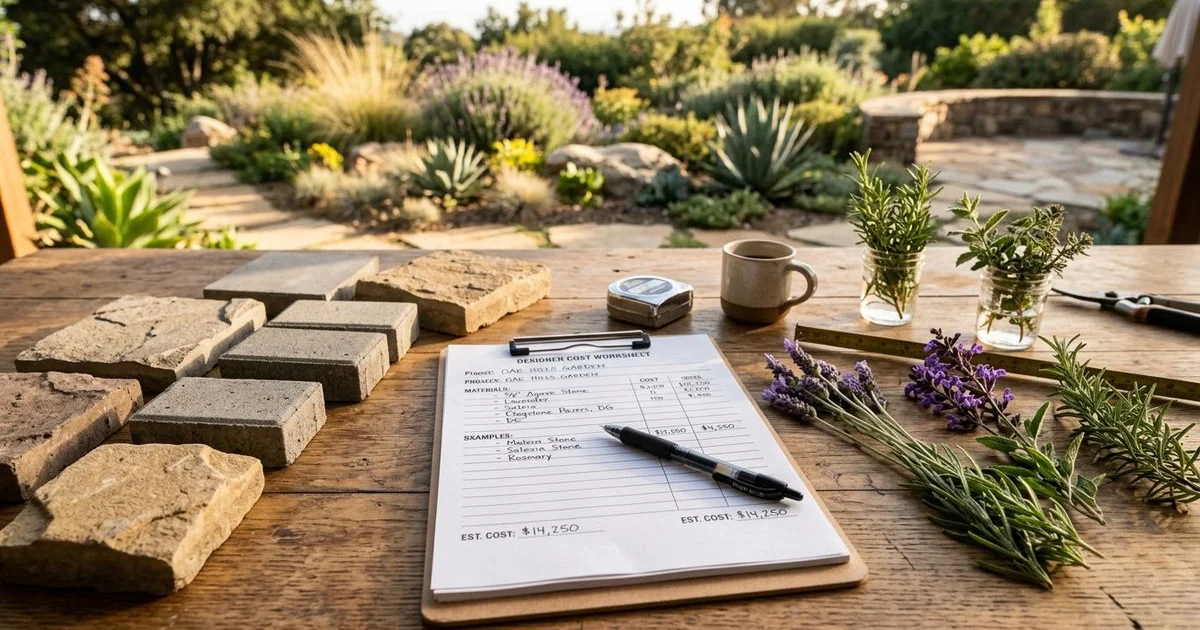
Maintenance is where the plan succeeds or fails
A landscape can be designed beautifully and still fail if maintenance is an afterthought. Firewise landscaping depends on regular upkeep. Dead material has to be removed. Shrubs need to be kept in scale. Irrigation needs periodic checks, especially after the first growing season when plants are establishing and again when weather patterns shift.
Drought-tolerant landscapes also need maintenance, just less of the reactive kind. Irrigation should be adjusted seasonally. Mulch should be replenished where appropriate. Plants should be monitored for signs that they were placed in the wrong microclimate. A sun-loving species tucked into partial shade may survive but never really perform. A plant that needs more root room on a slope may keep demanding correction if it was forced into a tight bed.
The good news is that a thoughtful combined plan tends to get easier, not harder, after the first year. Once the irrigation is corrected and the plants settle in, the landscape begins to stabilize. The right plants grow into their roles, the hardscaping provides structure, and maintenance becomes more about keeping the system clean than constantly rescuing it.
A resilient landscape feels settled, not sparse
The strongest firewise and drought-tolerant landscapes I have seen in this region share a quiet quality. They do not look stripped down. They look deliberate. There is room between plants, but not emptiness. There is hardscaping, but it feels integrated rather than imposed. There is color and texture, but the plant selection is disciplined enough to work with the climate instead of against it.
That is the real promise of combining firewise planning with water-wise landscape design. You are not choosing between beauty and resilience. You are deciding whether the landscape will be a burden during the next dry season, the next wind event, or the next round of maintenance, or whether it will already be shaped to handle those conditions.
For San Gabriel Valley properties, especially hillside homes, that choice has become less optional over time. Drought resistant landscaping, erosion control, irrigation retrofits, thoughtful hardscaping, and plant selection by microclimate all belong in the same conversation. When they come together well, the yard stops feeling like a series of separate problems and starts functioning as one coherent system.