
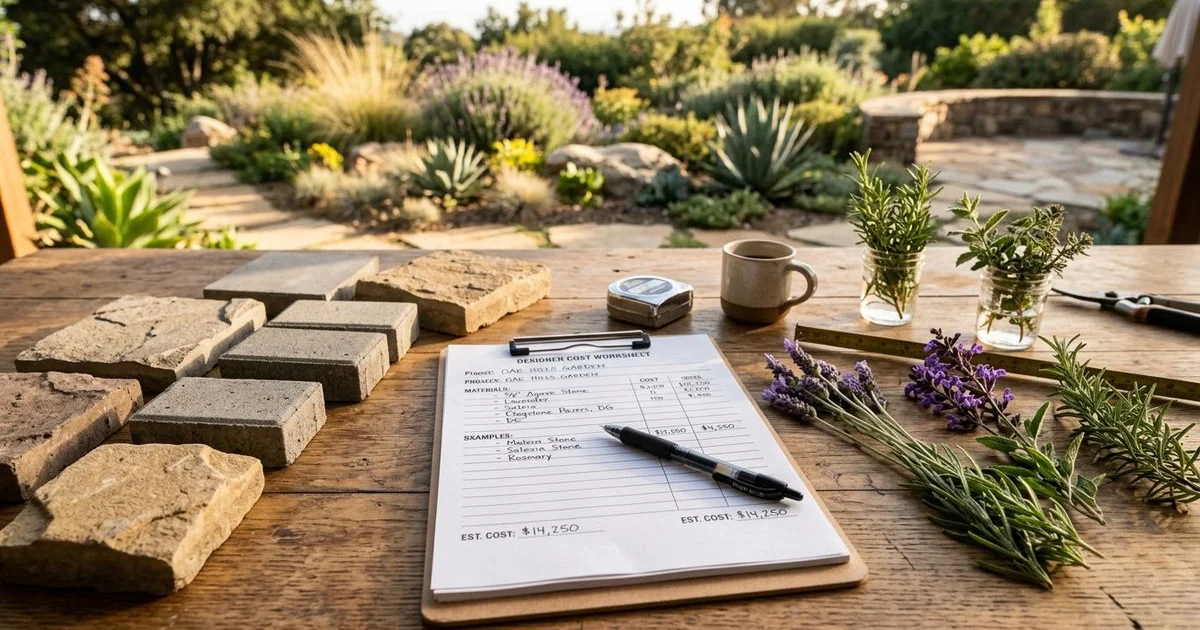
How to Select Climate-Appropriate Plants for Your Yard
Choosing plants for a yard sounds simple until the first hot spell, the first long dry stretch, or the first slope that starts shedding soil after a storm. That is when plant selection stops being a decorative decision and becomes a practical one. A yard that works with the local climate uses less water, holds up better through temperature swings, and asks less of you over time. It also looks more settled, because the plants are doing what they were built to do.
In places like the San Gabriel Valley, that question carries extra weight. The region’s hillside character, water conservation needs, and fire exposure all shape what belongs in the landscape and what does not. A climate-appropriate yard is not just about choosing “drought tolerant” plants from a nursery tag. It is about matching plants to sun, slope, soil, irrigation, and the way the property is actually used. Good landscape design starts there. So does every durable planting plan, whether you are reworking a flat front yard or dealing with hillside landscaping behind a house perched above the street.
Start with the site, not the plant list
The biggest mistake I see is people shopping by appearance before they have studied the site. A plant can be beautiful and still be a bad fit if it gets the wrong amount of sun, sits in poorly draining soil, or is planted in a zone with the wrong irrigation pattern. California’s water conservation guidance puts the emphasis in the right place: assess irrigation, soil, sun exposure, and plant selection together before making changes, especially if turf is coming out.
That order matters because a climate-appropriate yard is a system. If the soil drains slowly, a plant that hates wet feet will struggle no matter how drought tolerant it is on paper. If one side of the yard bakes in afternoon sun while another stays shaded for part of the day, those areas should not be planted as though they were identical. I have seen homeowners buy the same species for every bed, then spend years trying to force one plant choice to behave across very different microclimates. The plants were not the problem. The planning was.
A useful first pass is to notice where the yard gets full sun, where it gets reflected heat from walls or hardscaping, and where water naturally moves after irrigation or rain. That last part is especially important on sloped sites. Hillside landscaping has to deal with runoff and erosion as much as beauty. A plant that anchors soil well is doing real work, not just filling space.
Know your climate, then narrow the field
Climate-appropriate planting means using species that can handle the conditions where you live, not just surviving them, but doing so with less intervention. In California, that usually points toward drought resistant landscaping principles, native plants, and plant communities that are naturally adapted to the region’s dry seasons. The state’s water guidance points homeowners toward WUCOLS, a plant reference used to understand region-appropriate water needs. That kind of reference is valuable because it takes some of the guesswork out of the process.
For the San Gabriel Valley, the climate conversation is not abstract. Summers are hot, rainfall is limited and irregular, and many properties sit on slopes or near foothill conditions. The landscape has to function through dry weather while still coping with occasional heavy rain. That combination favors plants that can establish well, tolerate lean water schedules once rooted, and resist erosion when used correctly on hillsides.
This is where native and climate-appropriate plants often outperform flashier choices. They tend to be better matched to local rainfall patterns and seasonal stress. They also fit more naturally into firewise planting approaches, which matter in areas near the San Gabriel Mountains and other foothill settings where ember exposure and defensible space planning come into play.
Think in layers, not isolated specimens
A healthy yard rarely relies on one type of plant. It works better when trees, shrubs, perennials, and groundcovers play different roles. This layered approach is especially useful in landscape design because it lets you match plant function to microclimate and drainage instead of forcing one category to do everything.
Trees can shape shade and reduce heat in the yard. Shrubs can provide structure and, in many cases, help cover slopes. Lower-growing plants can knit soil together, soften hard edges, and reduce exposed ground. On a hillside, this layered approach can be the difference between a slope that holds and one that constantly needs repair. The right plants can support erosion control while still looking intentional.
In the San Gabriel Valley, certain California native plants are especially well suited to this kind of layered planting. California buckwheat, California sagebrush, manzanita, ceanothus, monkeyflower, foothill penstemon, and bunchgrasses all have roles to play depending on the site conditions. San Gabriel oak is another locally named native species that fits the region’s identity. These plants are not interchangeable, but they share a practical advantage: they are comfortable in the conditions that define much of the area.
A ceanothus that has room to spread on a sunny bank is solving a very different problem from a monkeyflower tucked into a partly shaded edge near a path. One brings structure and slope coverage. The other may help in a transitional space where a softer look is wanted. The real skill is not naming the plant. It is placing it where its habits become an asset.
Pay attention to water use before you commit
Water efficiency is not just a nice bonus. It is part of the design brief. California’s statewide Model Water Efficient Landscape Ordinance regulates water use in new and renovated landscapes and encourages native or climate-appropriate plants, alternative water sources, and efficient irrigation. That has practical consequences. If you are planning a renovation, the plant palette should work with the irrigation system rather than against it.
The old habit of mixing high-water and low-water plants in the same bed often creates trouble. One zone gets overwatered to keep thirsty plants alive, while nearby drought adapted plants sit in conditions they do not need. The result is waste, disease pressure, and uneven growth. A more disciplined design groups plants by water need and gives each area a matching irrigation strategy.
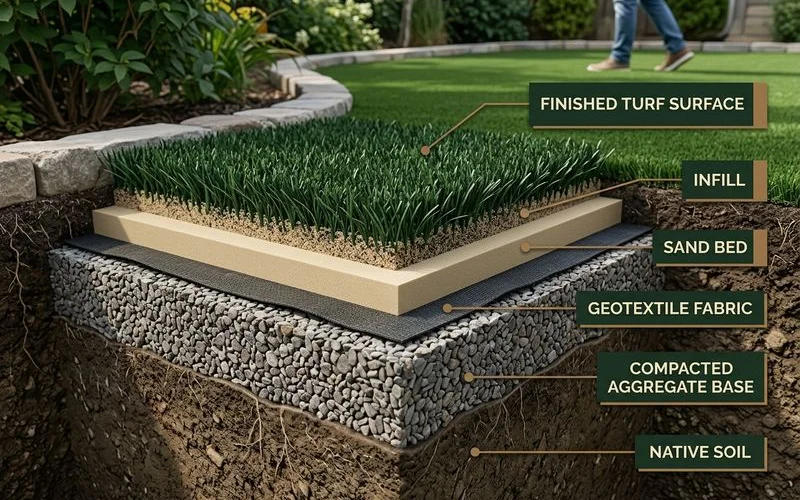
This is also where turf removal can be a smart move, but not an automatic one. Replacing grass only helps if the new landscape is planned well. The California water agency specifically recommends looking at irrigation, soil, sun exposure, and plant selection before removing turf. That sequence keeps people from stripping a lawn and then discovering the replacement bed needs more maintenance than the grass did.
For many properties, the right answer is a measured conversion rather than a complete redesign. A small front zone might shift to low-water shrubs and perennials, while a side yard keeps some functional planting or hardscaping for access. That kind of judgment matters. Water-wise landscape design is not about maximizing plant density or creating a barren yard. It is about making each square foot earn its place.
Hillsides need different thinking
Hillside landscaping deserves its own conversation because slopes introduce real constraints. Water runs downhill. Soil moves if roots are not well established. Heat can be more intense on exposed faces. In the San Gabriel Valley, slopes often define the visual character of a property, but they also demand care. Local planning discussions around the area recognize the need for drought tolerant plantings and water efficient landscapes in new construction, which reflects how central this issue is.
On a slope, plant choice is tied to erosion control and drainage. Plants with spreading root systems and good surface coverage often outperform isolated ornamentals that leave bare ground between them. Bunchgrasses can help stabilize soil while still fitting a naturalistic look. Shrubs such as California sagebrush or manzanita can contribute depth and hold the eye, but only if their mature size and spacing are respected. Cramped planting on a slope looks full for a season, then becomes a maintenance problem as roots compete and irrigation gets uneven.
Hardscaping can also play a useful role here, but it should not be treated as a substitute for planting. Retaining walls, steps, and other structural elements can manage grade changes and direct movement through the yard. Even so, plants remain the living infrastructure that helps slow runoff, soften edges, and keep the slope from reading like a construction project. The best hillside landscaping usually blends structure and planting instead of relying entirely on one or the other.
Firewise concerns are part of plant selection
For properties near foothill areas or where wildfire risk is part of the planning conversation, plant selection must account for firewise landscaping. The CNPS San Gabriel Mountains chapter highlights ember-resistant zone rules and native plants suited to local gardens, which is a reminder that the question is not just what survives drought, but what makes sense near a house.
This does not mean a yard has to be stripped of character. It means choosing plants with care, spacing them appropriately, and avoiding the trap of creating a dry, continuous mass of fine fuels right next to the structure. Some native plants can fit firewise goals when used correctly, especially when they are placed with defensible space principles in mind and not crowded into vulnerable zones.
A fire-aware landscape is usually cleaner in its structure. Plant masses are intentional. Maintenance is regular. Irrigation is functional. The yard is not trying to imitate a wild hillside right against the building. That distinction matters. People often think firewise design means compromising on beauty, but in practice it usually improves the clarity of the landscape. Paths read better. Planting beds have stronger edges. Hardscaping, from gravel transitions to patio space, can help create separation where it is needed.
Check the nursery tag, but trust the site more
Nursery labels are useful, but they cannot tell you everything. “Drought tolerant” is a broad phrase. It does not tell you whether a plant handles reflected heat, whether it wants more water during establishment, or whether it resents poorly draining soil. A plant may be climate-appropriate in one microclimate and miserable in another. That is why local observation beats general marketing.
When selecting plants, I like to think in terms of fit rather than promise. Fit includes mature size, sun exposure, root behavior, slope stability, and how much care the plant will require once established. It also includes whether the plant belongs in the style of the yard you want. A dense, low-water native planting can feel wild in the best sense if it is composed carefully. But if the rest of the property uses crisp geometry and strong hardscaping, the plants should echo that structure rather than fight it.
Here is a short checklist that helps keep decisions grounded:
- Match the plant to the actual sun exposure in that bed.
- Confirm that the soil and drainage suit the plant’s needs.
- Group plants with similar water requirements together.
- Give slopes species that help with erosion control and coverage.
- Keep firewise spacing and defensible-space needs in mind near structures.
That is enough to avoid many expensive mistakes.
Turf replacement should be strategic, not emotional
Turf often becomes the first target in a water-wise renovation, and for good reason. Large lawn areas can be hard to justify where water conservation is a priority, especially if they are mostly ornamental. But turf removal needs a plan. The new planting should answer the same practical questions the lawn was answering, even if the answer is different.
If the space is mainly visual, a mix of native shrubs, perennials, and groundcover may work well. If the yard needs open access for play or gathering, custom landscape design a partial lawn replacement might be more appropriate than total removal. If the area is steep or irregular, hardscaping can create usable structure while planting handles the softer transitions. Good landscape design is not dogmatic. It is responsive.
One common mistake after turf removal is underestimating establishment watering. Even drought tolerant landscaping needs water while roots are getting established. The goal is not immediate hardship. It is building a plant community that can rely on far less water later. That transition is where many projects succeed or fail.
HOA rules do not erase water-wise choices
Homeowners’ associations can complicate landscape decisions, but California water restriction guidance says HOAs cannot prohibit certain water-efficient landscaping choices during drought-related restrictions. That matters for homeowners who feel stuck between local rules and water-wise goals. The practical takeaway is that climate-appropriate planting is not just a private preference. It is part of a broader conservation framework that the state recognizes.
Still, within those rules, it helps to be thoughtful about design quality. A water-wise yard should look intentional enough to satisfy neighbors, associations, and your own standards. Clean edges, layered planting, and well-chosen hardscaping make a big difference. So does using species that fit the local palette. California buckwheat, ceanothus, and manzanita read as part of the regional landscape, which helps the yard feel rooted rather than imposed.
Build for the long term
A climate-appropriate yard should get easier to live with over time, not harder. That is the real measure of success. If the irrigation system is efficient, the plant groups are coherent, and the species match the site, maintenance becomes more predictable. You spend less time rescuing plants that were never suited to the location. You also avoid the endless cycle of replacing things that died from poor placement rather than poor care.
The San Gabriel Valley offers a useful lesson here because its properties often sit at the intersection of water conservation, hillside conditions, and fire awareness. That combination rewards restraint, observation, and plant choices that respect the site. San Gabriel Mountains habitats include many rare, threatened, and endangered species, which is a reminder that the regional ecology is rich and worth working with instead of around. A yard that echoes that landscape, even modestly, tends to feel more settled and more resilient.
The best plant selection process is patient. It starts with the land, not the catalog. It looks at drainage before color, at slope before massing, at irrigation before impulse buys. It leaves room for hardscaping where structure is needed, and it uses native habitat gardening principles where they belong. Most of all, it treats climate as a design parameter, not an obstacle. That shift changes everything.