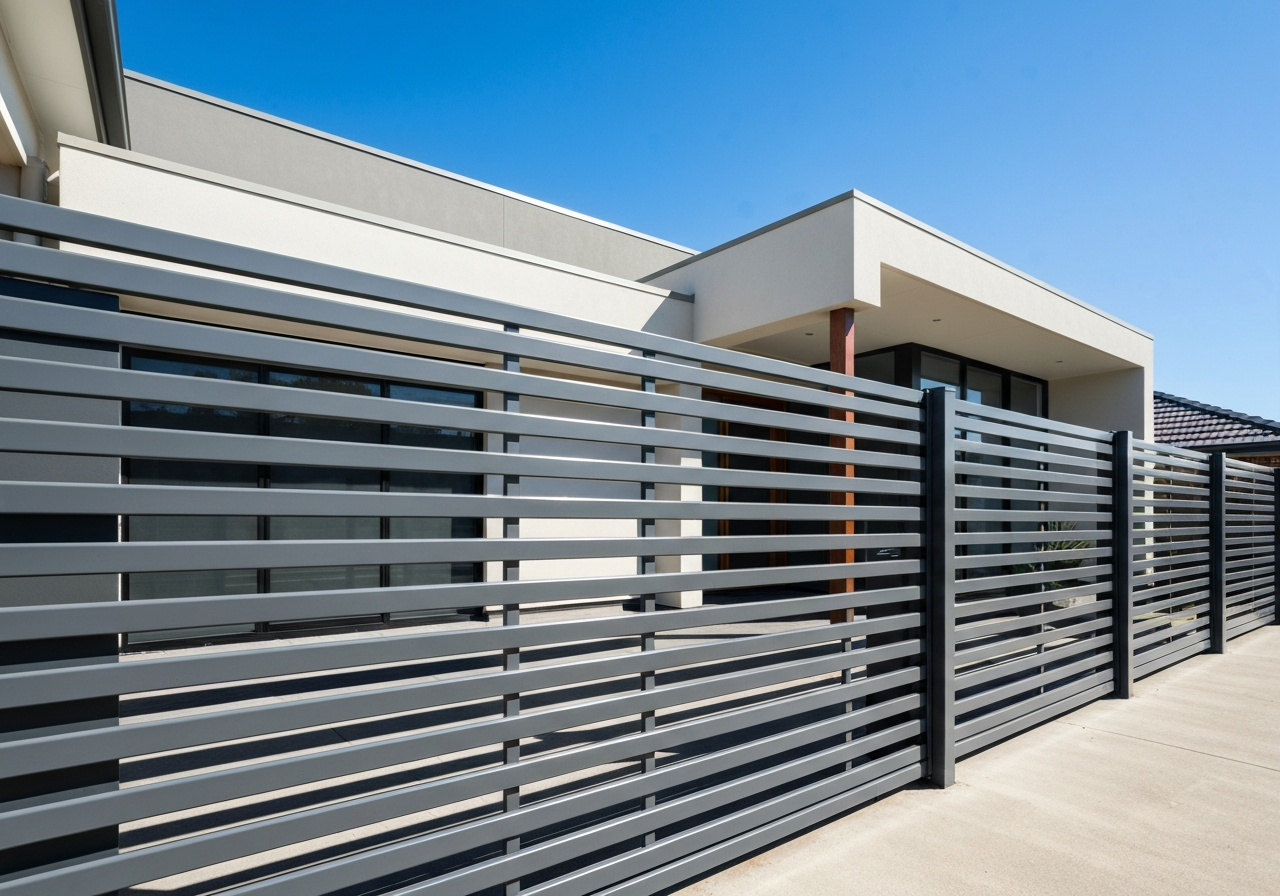
Making Sure Straight Lines and Proper Spacing: Service Provider Tips
Straight lines and constant spacing are the difference between a fencing that looks willful and one that appears like it dropped off training course at some time throughout install. Homeowners notice it immediately also if they can not clarify why. They could state the fence "feels off," or that particular messages "look closer than others." Usually, it is not the wood or steel that is the trouble. It is the process.
As a fencing contractor, I have actually found out that precision is not magic. It is a stack of small decisions, made early and repeated on every segment: layout, measurement, establishing articles, and just how you handle corners and modifications in ground level. A good fence company can do all the same job and still generate wildly different results depending on whether the crew treats line and spacing like a primary job, not a finishing touch.
The real factor fences stop looking straight
Most "curly fence" complaints map back to among these problems: a design line that was set as well gently, articles that were not absolutely plumb, or spacing that got "adjusted" by eye as opposed to regulated with a method.
Here is the pattern I see on sites where the fence doesn't land right. The contractor begins well. The initial couple of blog posts look right, the spacing seems regular, and every person feels good. After that somebody procedures from the wrong recommendation, or they deal with a small error by moving the next post. With time, that modification compounds. By the time you get to the last section, the fencing is noticeably out of positioning, despite the fact that each private action really felt reasonable.
That is why straight lines are built, not guessed.
A second common trouble is ground irregularity. Also when the top rail looks penalty, the post spacing can wander if you make a decision the spacing "does not matter" once the ground gets irregular. On a fencing that adheres to grade, spacing in between posts typically stays consistent while the height adjustments. If you instead maintain the rail elevation consistent, you will end up altering blog post position or creating uncomfortable spaces at the bottom.
Start with the appropriate layout recommendation, not the closest "great spot"
Your initially dimension is every little thing. When staffs rush this, they end up taking dimensions from sites that do not match how the fence actually runs.
I like to establish 2 solid referrals and stick to them. One is a line that represents the fencing run from edge to edge, or from end point to finish factor. The other is a constant "go-to" recommendation for spacing, such as the outside face of a message or a fixed centerline if you are laying out a specific message style.
Some fencing service providers depend on stringing the line and afterwards letting the remainder of the work follow it loosely. That can deal with level, open lots. On anything with hedges, unequal terrain, or a minor kink in the home line, you require the string to be strong, limited, and straightened to your planned run.
A lived instance: on a task where the homeowner wanted a "clean appearance," the crew set a string line off an utility risk that turned out to be countered from the fencing line by just a pair inches. The first three panels looked terrific. Then the fencing fulfilled a gateway place, and the gate structure began to look skewed. The property owner criticized the gate. The reality was the fencing line had been quietly strolling side to one side the whole time. When you see that, you never ever treat your starting recommendation as optional again.
Pick a spacing requirement and apply it
Post spacing sounds easy until you begin comparing different real-world fencings. Some systems are made around panel widths, some around article facility spacing, and some around precise distances between message encounters. A fence company might sell "8 foot sections," however the real post-to-post layout depends on the rail and panel design.
Before you set the very first hole, decide what you imply by spacing and make use of the very same interpretation for every segment.
A practical method to handle it is to choose among these dimension approaches and stick to it across the whole project:
- Measure from article face to upload face if you desire the same gaps and constant visual panel alignment.
- Measure from center to facility if your system expects it and your products are created that way.
- Use a rail-based spacing technique when your panels or pickets straighten to a leading or mid rail, not the message faces.
If you start blending meanings midstream, you produce undetectable mistake that only ends up being evident when panels do not match the last opening.
String line strategy that really holds up
A string line is just comparable to the tension, the anchors, and the way you manage it while you dig and establish posts.
On a common household fencing, I make use of a line that is limited enough that it will not sag between stakes throughout the install window. I additionally ensure the string is attached so it can be changed without having to battle it loose mid-day. Drooping string lines are a silent adversary. A mild droop can produce the impression of alignment till you go back and see the curve.
Another information people miss: if you will certainly be referencing that string to place messages, do not let tools, boots, or material heaps push the string. I have seen it happen. A person drags a post bracket throughout the line, flexes it down a portion, and no one notifications. By the time the team prepares to set the next blog post, they think the string is still straight.
If you take nothing else from this area, take this: treat the string like a gauging device. Protect it. Verify stress. Inspect often.
Plumb messages are spacing control, not just "vertical alignment"
You can have ideal layout marks and still wind up with uneven spacing if the messages are not plumb similarly each time.
Plumb is not one decision. It is a comments loophole while you backfill, support, and finalize.
When setup each message, I watch three points:
First, I align the message to the string line so it remains in the proper lateral position.
Second, I make the post absolutely plumb using a degree or line level, depending upon the setup.
Third, I verify spacing with a measuring method that does not rely upon eyeballing the void after the message is currently fixed.
If you plumb by sight, you will certainly be "close," and close is not the requirement when you are trying to keep panel edges uniform. Close mistakes show up later at rails and entrances, especially for fencings where the rails attach throughout several posts.
Build a spacing jig, even if it really feels extra
You do not require a workshop packed with devices to apply spacing. You require a repeatable dimension that takes the brain out of the loop.
A jig can be as easy as a straight board or a scrap frame established for one certain spacing worth. The secret is that you utilize it every single time, not sometimes.
For example, if your system requires articles at a specific range, you can create a momentary spacer that fits in between the string line and a mark on the message, or that measures from one side of a blog post to another face. The jig makes the spacing repeatable even when the staff is moving quickly.
I am a fan of tools like this since they minimize differences. If one installer states, "It's only a quarter inch," and one more claims, "No, it's more," the disagreement drains pipes time. A jig ends that. It is objective.
Handling edges without "rounding the partition"
Corners and returns are where straight-line technique gets evaluated. If you just swing the fence nearby by pushing blog posts into a rounded format or "eyeballing" the angle, you will certainly often end up with panels that look stretched or pressed near the corner.
The repair is to determine the corner method prior to excavating. There are a few methods, and your materials may dictate which one makes sense:
- For panel-based systems, you typically want constant panel alignment as you come close to the corner.
- For picket and privacy styles, you may require to change picket spacing or trim sizes near the edge opening.
- For articles and rails, the edge angle should match the method rails sign up with, or your rail line will fight you.
I have actually seen teams try to "make it fit" at the corner by moving the last blog post a little. It helps one corner and afterwards shows up as a spacing problem at the following run. You deal with one location and produce another.
A much better strategy is to intend the edge with the same guideline you use in the straight run, then enable necessary cutting or spacing modifications at a defined factor. That keeps the rest of the fence honest.
Gates: where small spacing mistakes come to be huge problems
Gates are ruthless. They call for regular article spacing, level mounting factors, and alignment so the gate swings without rubbing.
If you install an entrance where the opening width is also a little off, you will feel it instantly in equipment adjustment. Then the gate begins to determine your fencing line, and unexpectedly you are "chasing after" positioning as opposed to constructing it.
I recommend dealing with entrance openings as their very own mini project. Rather than allowing spacing drift towards the gate, secure the opening dimension early, established those blog posts meticulously, and afterwards gauge outward from the gate ends to the following reference points.
On one website, we had a fencing where every little thing looked right up until the gate. The fence company had actually done great on the straight runs, however near the gate the spacing had actually been changed in small increments as the staff dug. Eviction equipment did not stop working, but it needed constant tweaking. That sort of consistent tweaking is a sign that the initial format and post placements did not match the designated opening.
If you want eviction to act, the fence around it has to be disciplined.
Uneven ground: maintain spacing consistent, after that choose elevation method
Uneven ground is where fence installs develop into judgment phone calls. You can not maintain everything completely flat, and you do not intend to create steep actions that look awkward.
The cleanest look commonly originates from maintaining consistent spacing between blog posts while readjusting picket height or rail elevation based upon the surface strategy made use of for your fence style.
Here is an essential compromise to comprehend: if your fence utilizes panels that are not easily flexible in height, the panels might create noticeable voids near the bottom on inclines. That could be appropriate if it matches home owner expectations. If the homeowner expects a near-uniform profits, you will likely need a different building and construction method such as tipping pickets or utilizing adjustable lower rails.
As a fencing contractor, I talk through this early, due to the fact that the "straight line" discussion is not practically the leading rail. It is about what the fencing needs to visually communicate on the slope.
Common spacing blunders, and just how they show up
Spacing troubles can be refined up until they are not. Below are a few methods they commonly expose themselves:
- Panels that do not align cleanly with nearby sections, creating a slight rhythm shift down the fencing line.
- A progressive "stroll" where the last article ends up more detailed or further than the rest.
- Pickets that show up tighter on one side of the fencing, although the overall fencing length is correct.
- Uneven gaps near an entrance framework because the opening posts wandered during setting.
The good news is that these issues normally originate at predictable points: layout beginning, string line precision, message plumb, and just how you gauge after setting each post.
Once you understand the origin, repairing becomes uncomplicated. You can examine post-to-string distance, check post-to-post spacing early, and appropriate before the fence grows past the point of very easy fixes.
Backfilling and supporting: the part that makes a decision whether posts stay where you place them
Even when you place an article flawlessly, it can move during backfill. This is particularly real when you are operating in loosened soil or when you rush bracing.
Before you dedicate to backfilling, ensure the post is aligned to both lateral setting and plumb. Then brace it in a way that avoids twisting. Twisting resemble it might not matter until rails or entrances make it obvious.
During backfill, small in lifts as opposed to disposing whatever simultaneously. If you compact also aggressively versus a message that is not fully supported, you can press it off line. If you under-compact, the blog post can clear up later, which settlement turns up as spacing modifications or rail misalignment.
I have actually watched teams obtain impatient halfway with this action. They assume they are "close enough," then they question why the fence slowly changes as drying and clearing up happens. If you desire straight lines, backfilling is not a passive task.
Measuring that doesn't exist: re-check your spacing at intervals
Even disciplined crews take advantage of regular confirmation. You need to not have to determine every post twice, but you must validate spacing at periods so mistakes do not pile silently.
A typical method is to examine after every few articles, or to examine at panel transition points. If the fencing utilizes panels or rails that specify area length, checking at those transition points captures drift.
You likewise intend to validate the line aesthetically from a distance at least as soon as per run. Straight lines look various from 10 feet away than from the side of the trench. The human eye captures waves you will certainly not find with a measuring tape. The trick is not to rely on the eye thoughtlessly, however to utilize it as a trigger to verify with measurement.
A straightforward process that maintains mounts straight
This is the workflow I see from teams that regularly create tidy outcomes, no matter whether the job is picket, personal privacy, or a rail system.
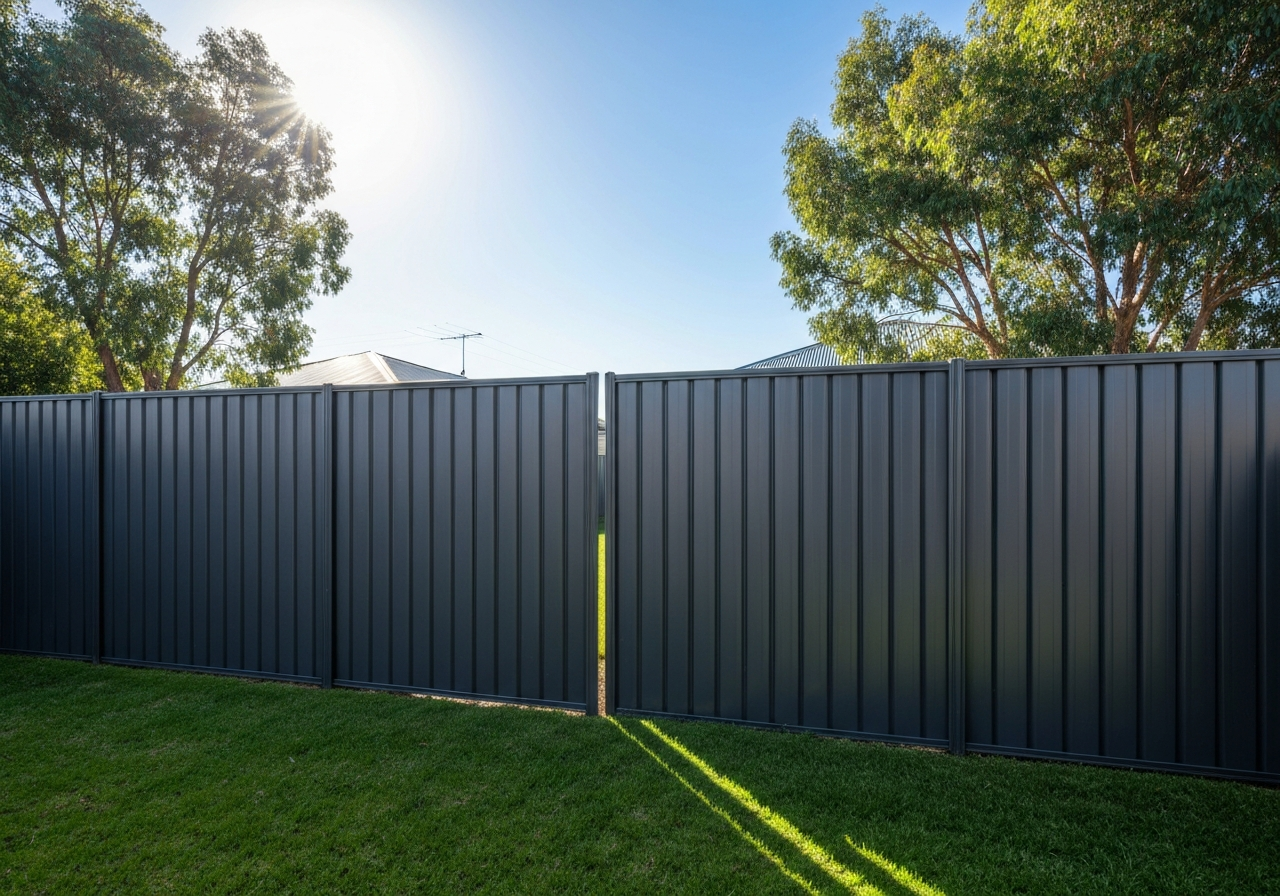
The order matters since it avoids rework. Begin with layout. Confirm references. Establish entrance or edge posts first when appropriate. Run the line. Set articles in turn while measuring spacing and validating plumb. Dental braces appropriately and backfill with perseverance. Only after that build rails or mount panels.
If you turn around that reasoning, you will deal with the fence with every following step. A fence specialist who comprehends this can move fast without moving wrong.
Quality control before products go in
QC is not paperwork. It is physical checks that capture issues while improvements still cost little.
When I am managing a fencing mount, I do a fast check prior to rails or panels lock everything into place. Once panels are mounted, remedying article placement becomes harder and can create patchwork trimming.
Here is a brief QC regimen that fits on a jobsite without turning into a time sink:
- Verify the string line stress and alignment to the fencing run.
- Check plumb on every article at established time, not after backfill.
- Confirm spacing a minimum of every few posts making use of the defined dimension method.
- Lock entrance openings early and re-measure prior to hardware goes on.
- Inspect corner changes so panel or rail positioning matches the plan.
That routine is straightforward, yet it protects against one of the most expensive mistakes: the ones you do not observe until the fence is currently complete.
Straight lines in the real life: climate and job pace
Even with best strategy, weather influences the process. Wind makes string lines totter, and it additionally makes it more difficult to support posts without continuous adjustment. Rain can soften dirt, modification compaction behavior, and slow drying out for some post materials.
Wind likewise influences how you translate alignment visually. Under gusty conditions, messages can sway throughout arrangement and you may "deal with" based upon a temporary placement. The solution is perseverance: support, straighten, then go on just after the article is stable.
Work pace matters also. A staff can be fast and exact, but only when the gauging action becomes part of the rhythm, not a time out nobody plans for. If dimension ends up being an afterthought, the rate ends up being sloppy.
Choosing how to end up spacing near the end
Every fencing finishes somewhere. That last sector is where spacing mistakes either get fixed cleanly or obtain hidden with uncomfortable trimming.
You have two typical approaches:
One is to keep message spacing consistent and adjust the last section width by cutting panels or pickets to fit. This keeps the fence line truthful and reduces cumulative drift.
The other is to change message spacing slightly near completion. That can work, but it risks looking irregular if the difference is recognizable, and it can develop a mismatch with an entrance opening or an edge requirement.
Most of the time, cutting the last area is the a lot more visually tidy choice. It recognizes that the fence is a fixed length problem, not a boundless mathematics issue. The fence company that can do the cutting neatly typically looks a lot more professional than the firm that "changes everything" until completion matches on paper.
Materials and techniques that influence spacing and alignment
Different fence systems act differently during install.
For instance, a rail-and-picket fence can sometimes tolerate small article position modifications since pickets can be spaced or readjusted in the framework. A panel-based privacy fencing usually demands even more specific message spacing due to the fact that panel sides must fulfill rails cleanly.

Even within the exact same group, the installing method issues. If the equipment permits change, you can deal with small misalignments. If the design is a lot more rigid, positioning needs to be ideal at the start.
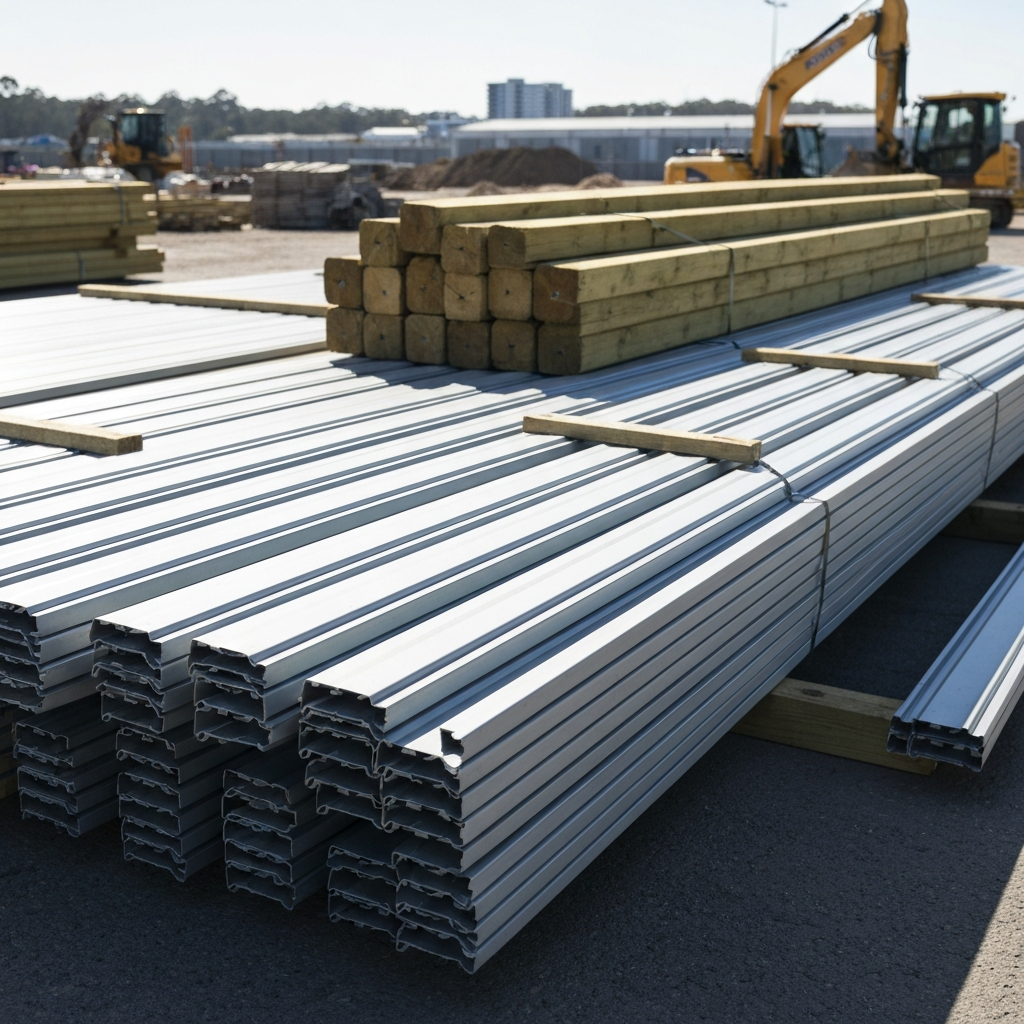
This is one reason great fencing contractors do not simply determine the building line and begin excavating. They look at just how the system is developed and where it locks the geometry in.
When you notice an error, just how you make a decision whether to fix it now
Here is a judgment call every fencing staff encounters: if you find a spacing or line error, do you correct it right away, or do you keep going and wish the following actions hide it?
In my experience, correcting early conserves cash regularly than trying to hide blunders later.
If the mistake is small and occurs prior to you secure rails or panels, repair it. Re-set or adjust the post while you still have flexibility.
If the error is near a gate, corner, or a rail link that will certainly not change well, fix it also if it costs time. A gateway that does not line up comes to be a long-term problem, not just a minute of inconvenience.
If the mistake is near the very end and cutting can solve it without impacting the visual rhythm of the run, that may be the cleanest fix.
That is the sort of decision you improve at with repetition, but it likewise originates from comprehending exactly how each fencing system acts once it is assembled.
Final handiwork behaviors that separate "set up" from "properly done"
The best fence companies do not just "develop fences." They develop foreseeable results.
The team that gets straight lines and proper spacing has a tendency to adhere to a couple of routines regularly: gauging prior to dedicating, securing the recommendation line, bracing appropriately, and validating as they go. They do not rely on final modifications. They treat layout discipline like component of the craft.
If you are hiring a fencing contractor, you must anticipate questions concerning design method, spacing interpretation, exactly how they deal with edges and entrances, and just how they prepare for unequal ground. A professional fencing contractor can clarify the approach in ordinary language due to the fact that it is not secret job. It is a repeatable procedure with genuine constraints.
And if you are doing the work on your own, the principle is the same: implement your meaning of spacing, maintain articles plumb and straightened, and never let your dimensions drift just because the site gets messy.
Straight lines are not luck. They are the result of regulated choices, made early, repeated continually, and validated prior to the fence comes to be hard to change.