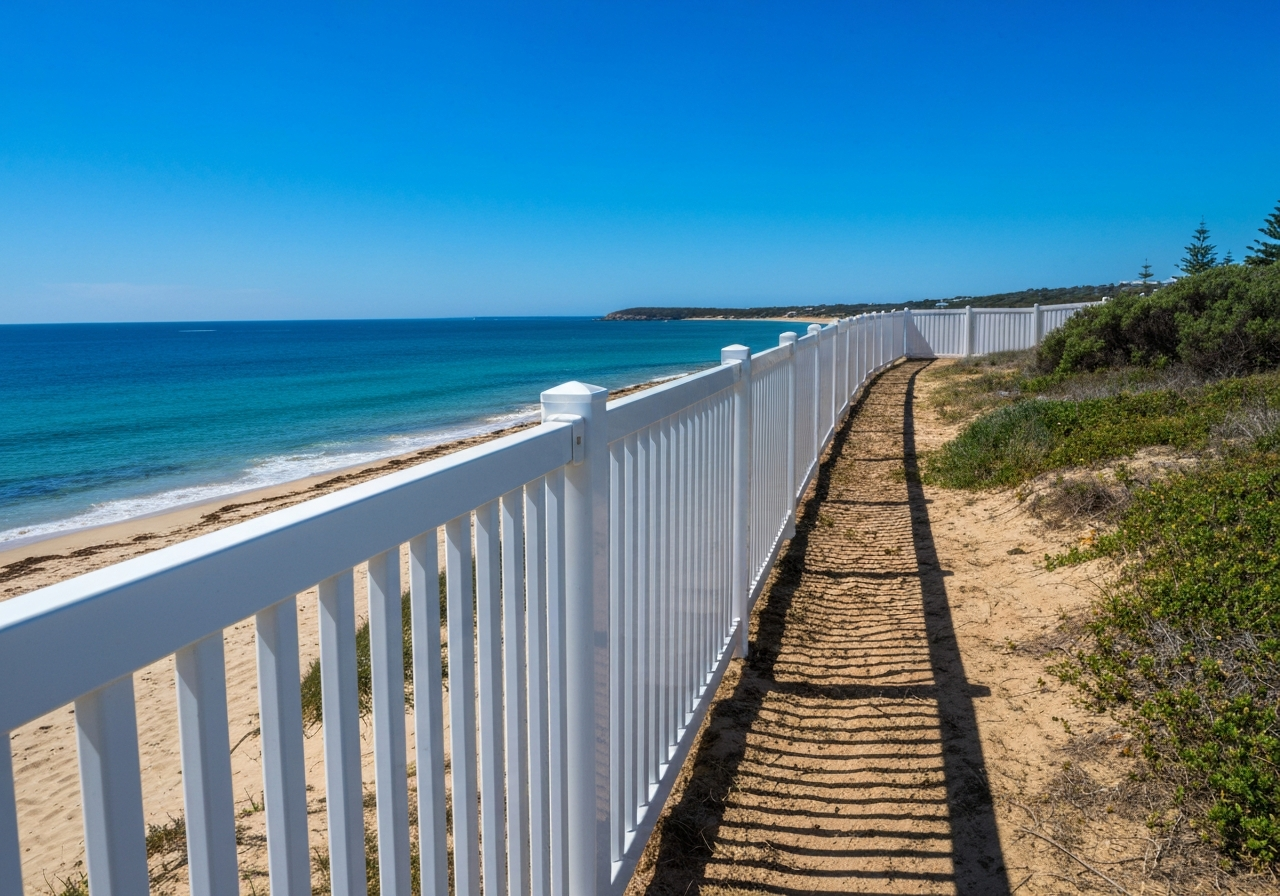
Wind Resistance Tips for Your New Fencing
A fencing is expected to look solid from the street, however wind resistance is what keeps it in this way when the weather condition transforms nasty. If you have actually ever before walked outside after a tornado and discovered a corner post leaning, an entrance that all of a sudden will not shut, or panels that changed by just adequate to reveal gaps, you already know the truth: wind does not care exactly how good the fence looks in calm conditions.
When you mount a brand-new fence, you are constructing a system. Messages, rails, pickets, attaching, and even the fence textile or spacing all work together, or they battle each other. The wind's work is to find the weak spot. Your task is to eliminate as numerous weak spots as feasible before the initial significant gust.
Below are functional, field-tested methods to boost wind efficiency, make your fence stay right, and lower the chances you will certainly need a quick "repair service after the reality" callout from a fencing contractor or a fence company.
Start with the wind, not the fence
Most fencing failings people notification are post failures. Yet the wind typically strikes the fence overall first, which is where the tale begins. Wind stress relies on elevation, area, and blockages close by, not just on "just how gusty it obtains where I live."
A couple of points I try to find on every website walkthrough:
Fence height and design issue. Going from 4 feet to 6 feet does not just include a foot. It alters just how the fencing beings in the wind account. Taller fences have a tendency to catch even more force, and the bending lots on top rails and posts can rise quickly.
The wind direction issues. A fencing can be great on the west side and fall short on the south side if the prevailing gusts struck the strong face directly.
Ground conditions matter. Loosened dirt, sand, incline changes, or locations with clay that holds water can all impact exactly how well a post resists pullout and rotation. A post that resists wobble in company ground can still tip if the soil can not grip it.
The shape of the building matters. Long straight runs frequently act in different ways than fences that damage up with edges, returns, or changes in elevation. A long term gives wind a much longer "runway" to push and oscillate the fence.
That is why the very best wind-resistant fencing strategy begins with the design and site checks, not just the products list.
Choose a design that disrupts wind loads
If you have the option to transform the format, do it early. Fences seldom stop working due to the fact that the panel style is completely incorrect, they stop working due to the fact that the wind is provided an excellent course to keep pressing in one direction and one direction only.
Corners, gateways, and fence-line transitions are your biggest stress points. Gates especially act like wind magnets because they can be somewhat misaligned after installation, and they consist of relocating equipment that develops weak points when the framework shifts.
Where you can, prepare for:
Posts put at consistent periods with no shock "long span" sections. Long unsupported runs increase panel guide and publish bending.
Gate design that does not leave a soft hinge. An entrance that turns openly is great for everyday usage, but under wind pressure it requires strength and tight alignment.
A fence line that decreases undisturbed, flat direct exposure. Returns or inset sections can separate flow. Even small changes in angle can help.
If you currently have a fixed building line and no format adaptability, you still get assistance by enhancing changes: end articles, gateway messages, and edge articles must be treated as "structural" components, not simply points on a string line.
Pick the best panel style for wind: less "strong face" can be better
Many property owners presume one of the most solid fence is the safest. Strong fences look personal, yet wind stress on a fully solid face can be ruthless. In heavy wind zones, permitting partial air movement can minimize the pressure the fence should resist.
That said, "extra voids" is not automatically much better if your fencing is built too freely or if the spaces trigger flutter. Tremble takes place when panels are not tight enough, and the wind strikes them like a sail that keeps snapping back and forth.
The sensible balance is this:
Moderate spacing can reduce stress while still maintaining the structure tight adequate to avoid high-frequency oscillation.
Lattice or tilted air flow can help, yet the framework still needs toughness. A lovely latticework without sturdy rails and appropriately supported articles can flex and fall short anyway.
For privacy-focused styles, take into consideration options that develop regulated air movement instead of a totally solid barrier. This is one reason numerous experienced fencing contractors will steer you toward styles with willful porosity instead of a totally sheeted appearance, particularly on high fences.
If you are collaborating with a fencing company, ask to discuss exactly how your specific layout influences wind lots. A skilled fencing contractor need to be able to speak about air flow and stiffness, not just cost per panel.
Posts are the whole story, and deepness is just half the battle
When individuals discuss fencing strength, they usually jump directly to "dig deeper." Deepness issues, yet wind resistance has to do with standing up to 2 sort of motion: turning at the ground and bending along the message length.
Here are common failure patterns I have actually seen after storms:
End blog posts leaning since dirt loosened up or due to the fact that the article opening was as well small.
Mid-run panels drooping due to the fact that rails and fasteners weren't created to manage racking forces, particularly when the fencing is hit repetitively by gusts.
Hinge and latch sag on entrances because of gate post motion, bad reinforcement, or insufficient bracing.
A wind-resistant fencing requires blog posts that are sized and set for the actual loads at that area. End articles and gate messages usually need stronger treatment than indoor line messages since they stand up to lateral pressures and draw forces.
If you have sandy soil, you might require a bigger hole or stronger anchoring technique so the message can not change under cyclic loading. If you have heavy clay, you could need to account for development, shrinkage, and water drainage so the blog post does not gradually shed its grip.
Also, pay attention to upload placement throughout healing. Concrete can hold the message in place, however if the message is mounted somewhat off and you hurry the set, wind can end up the work later.
Don't treat supporting like an optional upgrade
Bracing is where "solid fence" quits being advertising and marketing and begins being real design. When wind presses a fence laterally, it develops racking pressures. Rails and messages wish to move, and supporting provides an alternative load path.
Some fencings are built without meaningful angled supporting, specifically long runs. Those fences could endure a light wind, yet under storm wind they commonly bend, after that resolve into a new placement that becomes permanent.
A good wind-resistant technique usually consists of:
Stronger bracing at edges and fence ends, not simply "someplace in the center."
Proper connections between rails and posts so bracing does not simply look solid, it in fact transfers force.
Gate location support, considering that entrances can act like a bar arm in high winds.
If your installer proposes a format that utilizes bracing only where it is simple, ask whether it covers the actual stress points. A fencing contractor who has done repair work after tornados ought to have a clear response based on what they have actually seen fail.
Hardware and attachment: where wind finds the gaps
Even a durable article and braced frame can stop working if attachment is sloppy. Wind resistance is not just concerning structure, it is about just how the fence setting up holds with each other over duplicated loading cycles.
The tiniest mistakes can add up:
Using bolts that are also short or not ranked for outdoor exposure can permit progressive loosening.
Pre-drilling that divides wood or overdriving that strips screw threads lowers holding strength.
Fasteners placed without constant spacing can trigger concentrated weak points where rails fracture or panels loosen.
Also, do not disregard rust. A galvanized system can still wear away gradually if the materials are poorly matched or if water is caught around joints. Over months and years, deterioration minimizes the "rigidity" of the system. Wind transforms that loosened resistance into movement.
If you are employing a fencing company, firmly insist that the attachment method is consistent across the entire run, and ask whether the specialist makes use of hardware that is implied for the materials being set up. It ought to not really feel like a guess.
Be intentional concerning rail tightness and panel attachment
Rails are the "bridge" between blog posts and the panels. If rails flex too much, panels flutter and the entire fence oscillates. Oscillation threatens due to the fact that it enhances fatigue. Tiredness is just how fasteners loosen up and how timber at some point cracks, also if every specific part could "seem strong" on day one.
To boost wind resistance:
Ensure rails are sized suitably for the fencing elevation and period length.
Use proper rail add-on so rails do not twist at the message line.
Avoid vast spans in between articles unless your design represent tightness. Numerous common fence layouts presume suitable problems. Genuine soil, unequal ground, and small alignment problems stack the stress onto the system.
If you are comparing fence designs, compare the whole assembly. 2 fences may both be "4 feet tall" however one uses stiffer rails, different attaching spacing, and stronger edge support. That fence usually carries out much much better in wind, even if it looks similar from the street.
Watch for foundation and soil sides, especially on slopes
A wind-resistant fence still needs a stable base. If your yard has an incline, a change in dirt type, or a hidden drainage location, the fencing may not stop working in the evident place.
One storm hits, and the fence end nearest the transition starts to lean. Not since that message was weaker, however because the soil around it acts differently after saturation and freeze-thaw cycles.
Here is what assists in these difficult instances:
Use post openings that get to into stable soil where feasible. An article established just in loosened topsoil can loosen up faster than you think.
Confirm drain. Standing water around message holes can compromise soil grip and boost freeze-thaw expansion.
Consider whether bracing requirements to represent uneven ground. Irregular contact can create refined pivot points.
If your fencing contractor is experienced, they will certainly ask about drain and soil changes. If they treat every blog post opening the exact same regardless of problems, that is a red flag for long-lasting wind stability.
Storm planning: how to prevent "tiny damages" from becoming "system failing"
After a big wind occasion, fencings typically reveal damages in stages. An initial tornado could loosen a few bolts, after that a 2nd storm ends up the work. If you catch problems quickly, you stop that cycle.
You do not need to baby the fence, yet you must inspect the stress points right after extreme climate. If you notice any of the complying with, resolve it quickly:
Loose panels that move when you press them by hand.
Posts that have actually shifted sufficient to transform the fence line visually.
Gate droop or lock imbalance that shows up after gusts.
Cracks in wood rails near bolt locations.
Rust areas that appear like they are spreading from joints.
This is the moment to call your fencing company or your original fencing contractor, preferably while the damages is still limited and the framework has not totally racked.
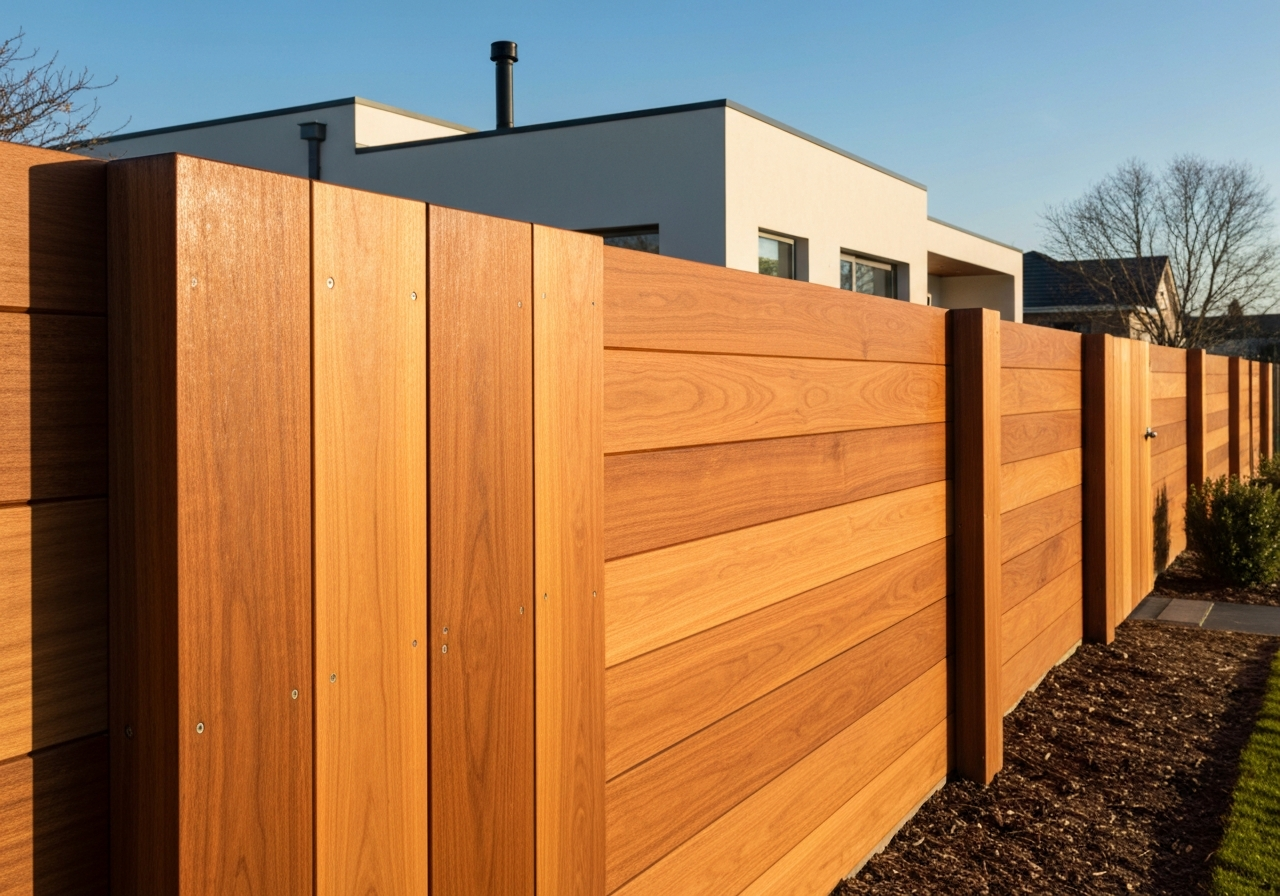
Practical build assistance you can ask about (without coming to be a full time designer)
If you are actively preparing the installment, you can ask targeted inquiries. A great fencing contractor will certainly invite them, since it shows you recognize the trouble is wind loads and tons paths, not simply materials.
Here is a brief set of concerns that usually divide solid installers from average ones:
- How will you deal with end blog posts, corners, and gateway posts in a different way from line posts?
- What supporting technique will you use for wind resistance on fencing ends and lengthy runs?
- What fastening system and fastening routine will certainly you use for rails and panel attachment?
- How deep and vast are post openings for my soil type, and just how do you account for drainage?
- Will you check alignment and brace the system during set so it remedies true?
If the solutions really feel unclear or simply sales-focused, think about taking your company to a fencing company that can chat specifics. You do not require challenging math. You require clear load-aware decisions.
Common "looks solid" errors that fail in gusts
Wind punishes presumptions. Right here are a few of the blunders I see often adequate that they are worthy of to be called out, also if they seem minor during install.
Installing panels as well limited to posts without accounting for motion. Products broaden and contract, and timber shifts with wetness web content. If whatever is pinned rigidly with no allocation, wind can draw fasteners as parts battle each other.
Overreliance on panel toughness while underbuilding the framework. Pickets or boards could be thick, yet if rails are as well light or messages are under-anchored, the fencing still loses.
Ignoring gate reinforcement. Gates are basically a flexible setting up that experiences leverage. If eviction frame is not stiff and the articles are not strengthened, wind can cause droop that looks small initially, after that becomes permanent.
Skipping diagonal bracing on tall, exposed runs. Many fences have straight rails and depend on the panel product to "hold." In wind, panels become part of the system, but bracing controls racking.
Assuming the fencing will "clear up" without repercussion. Settlement is not constantly bad, however settlement that alters alignment is how you wind up with repeated repairs.
Wind durability by material: what matters most in genuine life
Material options impact wind performance, however not in the simplified way individuals expect.
Wood fences can be exceptional in wind when built with proper supporting, top quality bolts, and proper message setup. Wood additionally tolerates small motion better than rigid systems, which can reduce fatigue in some assemblies. The threat is bad attaching practices or weak rail stiffness.
Vinyl or composite systems can withstand rot, yet they still require rigidity and appropriate placing. Wind lots can flex the system, and if mounts are not secured and lined up, the fence can loosen or warp over time.
Metal fencings can deal with bending better than thin wood panels in some styles, but deterioration control and connection high quality matter. Wind still creates cyclic stress and anxiety, and joints that are not built to move lots will loosen.
Concrete or masonry wall surfaces are various again. They can be extremely solid, but the top rails and any openings still produce wind pressure problems. If your brand-new fencing ties right into a wall surface, the joint becomes a critical point.
No issue the product, the trick is stiffness and tons transfer. A wind-resistant fence is not regarding one "strong" part, it has to do with the whole setting up standing up to motion in a foreseeable way.
Maintenance that in fact supports wind performance
Maintenance is not regarding visual touch-ups alone. It affects just how the fence reacts to repeated gusts.
Tighten equipment when you see looseness. A tiny rattle can mean that bolts have begun to back out. If you allow it go, vibration increases the size of the voids and minimizes holding power.
Inspect rails and edges for very early indicators of anxiety. Wood splitting near bolt areas, rust at joints, and panel bowing are common precursors to bigger movement.
Keep greenery controlled. Creeping plants and hefty plant development can include drag tons and can trap wetness against the fence face. That extra weight and dampness can increase tiredness and securing corrosion.
After tornados, do a fast check rather than waiting for the fencing to end up being "obviously broken." Early fixes set you back much less than straightening out a leaned post and re-aligning multiple rails.
Hiring the right installer: what to seek in a fence company
You can have the best materials in the world and still end up with a fencing that behaves badly in wind if it is mounted without care. The installer's experience with regional problems is usually the making a decision factor.
When you talk with a fencing contractor, ask exactly how they approach wind-prone areas and whether they develop differently for ends, edges, and gates. If they have repaired storm-damaged fences, they need to be able to define the patterns they see and what they build differently following time.
Also, check just how they record the job. A major fencing company ought to communicate the intended post areas, the bracing strategy, and the securing system. You want less surprises after the truth, especially around entrances and the ends of runs.
If you are contrasting quotes, do not simply contrast overall price. Contrast the specifics: message treatment, supporting information, and exactly how they manage the weakest architectural points.
A final note on expectations: wind can not be "zero," but it can be managed
No fence endures every circumstance perfectly. If you reside in a location that regularly sees extreme gusts, your objective is resilience, not infallibility. A wind-resistant fencing ought to handle typical storms without changing right into a brand-new shape. It must also stop working with dignity, meaning damage is limited and less complicated to fix rather than needing complete replacement.
If you develop with the wind in mind, you minimize the odds that a single weekend break storm produces a season-long repair trouble. Your fencing will still require upkeep, however it will hold its line.
And when you do require assistance, you will certainly have the ability to call the fencing contractor or fencing company you depend on, not the one you frantically require right after the posts begin to lean.
If you tell me your fencing elevation, material, and basic layout (consisting of the amount of gateways and whether the run is lengthy and subjected), I can recommend the highest-impact modifications for wind resistance in your particular setup.