
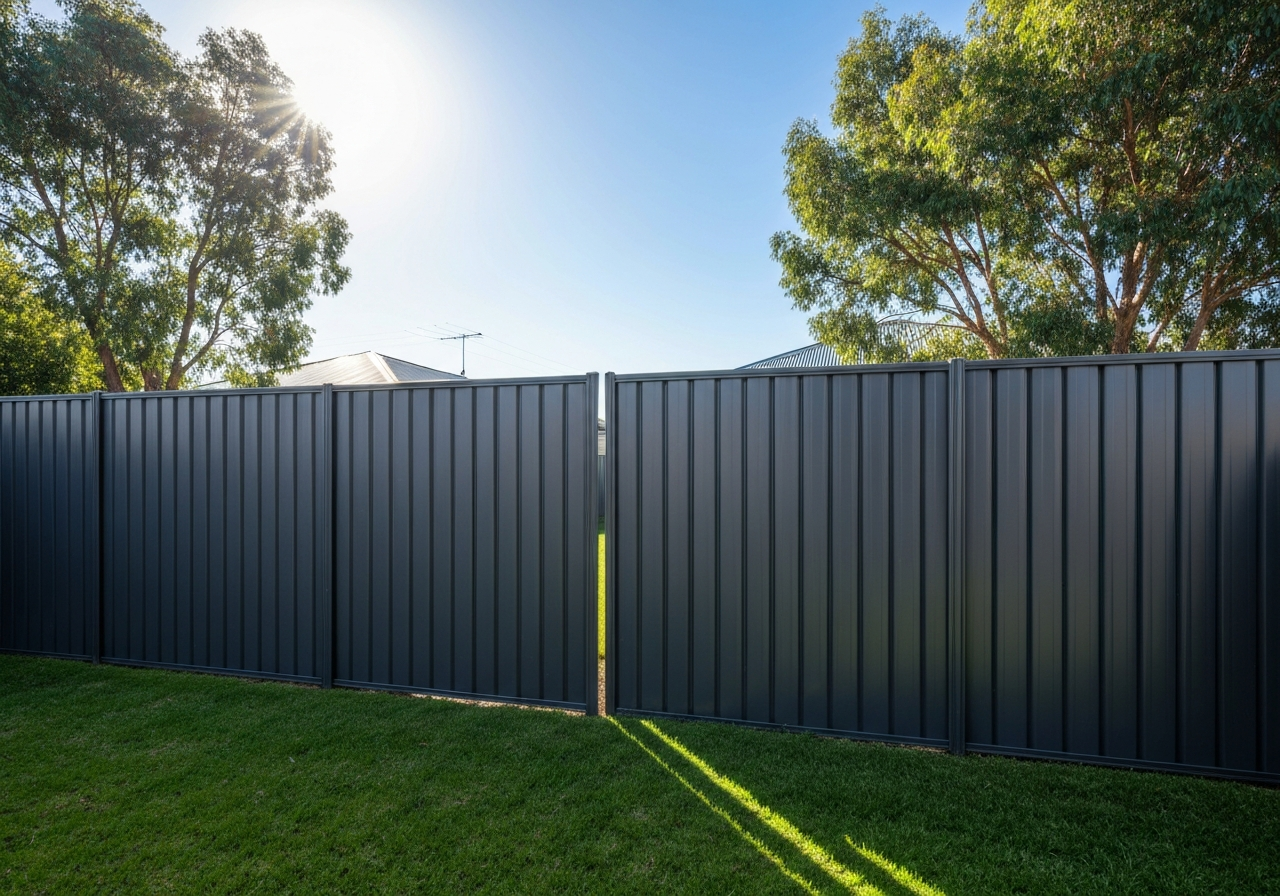
Fence Company Licenses and Conformity Guide
A fence looks basic till you're the one holding the tape measure, the stake driver is thumping the dirt, and someone from next door starts asking inquiries about where that line actually is. I've watched jobs go from "need to be a weekend work" to "we need a license and a site strategy" due to the fact that a fence company treated the install like it was just woodworking. In most areas, fencings rest exactly on the side between exclusive enhancement and public regulations, so allows and conformity are not optional busywork. They are the distinction in between a tidy build and a demolition request, a fine, or a next-door neighbor fight that lingers long after the last board goes in.
This guide is written for property owners working with a fence company and for professionals attempting to keep their paper trail as solid as their messages. The details transform city to city and even obstruct to obstruct, however the logic stays the same: you need to know what regulations apply, who enforces them, what you should send, and how to stay clear of the most typical mistakes.
Why allows for fencings are such a large deal
Fences can impact safety and security, drain, presence at crossways, energies, and also accessibility for emergency situation lorries. That's why local governments care. Zoning divisions look at fence height, location about home lines, materials, and occasionally layout style. Preparation workplaces may appreciate fence "special" areas like historic areas. HOAs and building evaluation boards add one more layer, in some cases more stringent than the city.
Then there are sensible problems: easements, drain swales, utility lines, and shared borders. A permit procedure frequently requires clarity on those topics in advance. Without it, you can construct a fencing that practically "fits," but violates a problem regulation or lands in an easement. The consequences is seldom fun, due to the fact that you can not always fix compliance by relocating one post. Often you require a redesign, a new design, or proof that the initial area was correct.
I when complied with a develop where the home owner had actually already bought the panels, and the staff prepared to establish posts. The next-door neighbor's utility locator demands were delayed, and in the meanwhile they excavated blindly. They didn't strike anything, but they did find the fence line went across an easement corridor where access needed to stay clear. The fence company had to change the layout and redesign eviction. It really did not end up being a calamity, however it did become costly and difficult since the "where can we construct?" concern was delayed till after job started.
The rulebook stack: city, area, HOA, and the fine print
When individuals talk about "fencing allows," they typically imply one authorization from one place. Actually, you may be managing multiple authorities, each with various thresholds.
Local building and zoning rules
Most licenses (when called for) come via the building department or a preparation or zoning workplace. They normally focus on height limitations, positioning troubles, and exposure constraints. You may likewise require a license if the fence includes frameworks like entrances with details hardware, preserving walls, or stonework work.
City policies can vary by:
- Residential vs. Industrial zoning
- Corner lots, where presence at junctions matters
- Proximity to public rights-of-way or easements
- Fence kind, like strong privacy vs. Open up picket styles
- Fence height over a certain factor, particularly for front yards
HOAs and building review
If your home has an HOA, it may call for authorization also when the city does not. HOAs frequently respect appearances, materials, and shade, and they may restrict fencing area and height past what zoning enables. Some HOAs call for submittal bundles with drawings, images of the proposed fencing, and samples of color.
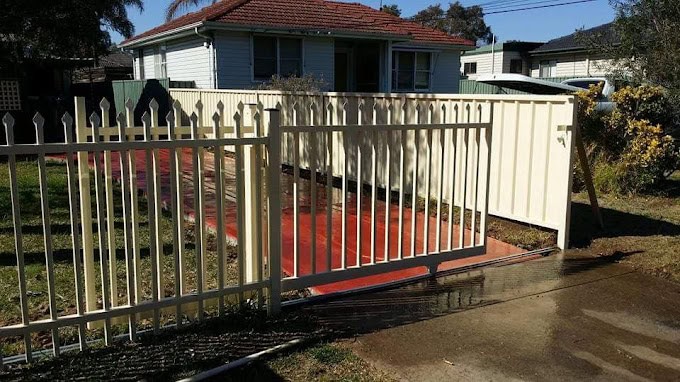
A common failure mode: a fence company protects a city authorization, however the house owner never ever gets HOA approval. The city process removes the safety and security and legal positioning problems, however the HOA can still issue a violation and need changes.
Easements, energy passages, and drainage
Even when a fencing is "enabled" in a zoning sense, easements can regulate where posts might go. Utility companies and county drain departments often have needs for minimum clearances and access. The permit process, when done right, ought to flag these concerns. When it's missed, you might learn about an easement the hard way, during excavations or after getting an enforcement notice.
What usually triggers a permit
Because you requested for a conformity guide and not a one-size-fits-all declaration, below's the sincere response: permits rely on neighborhood code, yet there are reoccuring triggers that turn up throughout numerous territories. If you're hiring a fence company, these are the questions that normally determine whether an authorization is required.
Fence elevation and placement
Many locations enable shorter fencings without permits, but require licenses for taller structures or specific positionings. Front-yard fencings frequently have stricter restrictions than yard fencings. Edge lots often have extra rules due to the fact that sightlines need to remain clear.
Any framework past a standard barrier
Solid masonry fencings, fences with integrated functions, and fences near preserving wall surfaces can call for licenses. Even when a fencing on its own sounds simple, the local reviewer could treat it as a "structure" if it includes much heavier materials or significant grading.
Drainage and rating changes
If your task calls for relocating dirt, altering drain patterns, or including a base that alters stormwater circulation, you could be in permit region. Post openings audio harmless, however when you're mounting lots of messages along an incline, the cumulative grading can matter.
Work inside or near a right-of-way
A fence that intrudes on public building, also by a percentage, is a dish for hold-ups and remodel. If your fencing will certainly be near a road or beside public sidewalks, it deserves treating it as a higher-risk case.
Permitting procedure: what you'll normally experience
Even though each town runs its procedure in a different way, a lot of fence authorization process comply with a comparable rhythm: application, testimonial, and either approval or requests for clarification.
Here's what that resembles in the genuine world.
First, you submit an application. Sometimes the property owner sends, occasionally the fence company does on their behalf, and occasionally both coordinate. The application typically requests for the fence measurements, products, intended place, and sometimes photographs or producer information.
Next comes the plan review stage. Reviewers may check the fencing versus zoning regulations, setback needs, and elevation limits. If your whole lot is in a special district, layout guidelines might go into the conversation.
Then you might obtain conditions. Problems can include needs like utilizing a specific style on a specific side of the property, adjusting height, or offering evidence of lot line precision. It's not unusual to get follow-up inquiries, particularly if your building line pens are uncertain or if the suggested fencing seems as well close to a boundary.
Finally, you obtain approval, and then the job profits. Some jurisdictions require assessments at certain stages, such as confirming blog post deepness prior to concrete remedies, or inspecting fencing elevation after installment. If evaluations are needed and missed, you can end up with disagreement also if your fencing "looks fine."
The "gotchas" that cause conformity failures
Permits aren't just concerning getting a stamp. They have to do with making sure you build what the license covers. Right here are the issues that consistently hinder projects.
Assuming property lines are obvious
If you have actually never ever contrasted your action description to a survey, you currently understand the response: boundaries can be unusual. Fences constructed "where it seems" can wander. A couple of inches occasionally could not really feel like a lot, but setback rules are measured from a defined boundary. Additionally, fence conflicts often rise when a next-door neighbor believes the fencing mores than the line.
My favored useful device is straightforward: a survey or laying done early. If you have a recent survey, utilize it. If you don't, ask whether your location normally accepts alternate documents. Some communities favor an official survey for fencing tasks, specifically when setbacks are tight. Your fence company ought to be transparent regarding what they can and can not verify.
Ignoring easements
An easement can run along a residential or commercial property for utilities or drainage. Your fence may be allowed outside the trouble line, but still forbidden in an easement corridor since the owner and energy company must maintain access.
This is another place where a trustworthy fence company makes its keep. They should inquire about tape-recorded easements and go over just how your fencing format will certainly appreciate access paths.
Building a various fencing than the approved plan
This happens more frequently than individuals confess. Maybe the house owner changes products midstream, or the team replaces a product that "looks the exact same" in the yard. However if your license is based on a particular height, openness degree, or product kind, the replacement might breach the approval.
The safe approach is to treat any kind of significant adjustment as a compliance occasion. If the accepted strategy says a particular height or style, record the adjustment and verify whether you need an amendment.
Treating HOA and city policies as redundant
They are not. A fencing that pleases city zoning can violate HOA visual needs. An HOA-compliant fence may still be out of compliance with the city if it breaches height or positioning regulations. When both apply, conformity is a stack, not a solitary pass.
Choosing a fence company that doesn't treat conformity like an afterthought
An excellent fence company discusses rules early, before the initial quote is last. The most effective ones raise licenses as a routine part of scoping. Not in a frightening means, not as a sales method, however as a "we require to do this right" step.
When you're getting price quotes, you can ask targeted concerns. You desire clearness on that handles the permit and what occurs if the permit process alters the plan.
Here's a brief list that saves a lot of back-and-forth.
- Confirm whether a license is needed for your certain fencing height and location
- Ask that sends the application, and the length of time testimonial generally takes in your area
- Request a composed range that matches the permitted layout, including height and materials
- Clarify exactly how residential or commercial property lines and easements are verified prior to article layout
- Find out whether evaluations are needed and when the company routines them
This checklist is intentionally small because the genuine trick is not the words on the list, it's the confidence you get from the responses. If your fence company acts unclear on permit duty, refuses to discuss easements, or can't explain how they make sure the fence aligns with home lines, you're heading towards trouble.
Documents and details you may need to provide
Permit submissions are not normally just "fencing, yes or no." Customers usually require sufficient information to evaluate the fencing's lawful effect and sensible fit on the property.
Common documentation consists of:
- A website plan revealing fence area relative to residential or commercial property boundaries
- Fence elevation info, often consisting of height measurements
- Material and layout information, particularly for strong vs. Open up styles
- Sometimes pictures of the surrounding location, especially for HOA or special districts
- Proof of property line info, such as survey data, depending on jurisdiction
The specific documents differs, and no one needs to guarantee universal needs. Your fence company must inform you what your city or region expects based upon neighborhood experience, or aid you discover the official checklist.

Height restrictions, setbacks, and exposure: exactly how customers think
You could not have the neighborhood code remembered, but you can comprehend the reviewer's perspective.
For elevation and placement, the issue is generally safety and community compatibility. As well tall and also near to a road can develop visibility threats. Solid fences in particular locations can additionally impact air movement, light, or sightlines.
For troubles, the issue is residential property limit stability and avoiding limit advancement. Reviewers want fencings far enough from defined borders to prevent disputes and to maintain future boundary maintenance possible.
For presence areas at corners, think about it similar to this: if a motorist can not see plainly when approaching a junction, the fence becomes a risk. That does not indicate fences are outlawed, it means locations and heights matter.
If your fence company recommends a design near a corner or driveway exposure area, they should be able to explain the reasoning. If they're guessing, ask more questions. This is one time when "we'll figure it out later on" can cost real money.
Inspections and compliance after the permit
Sometimes individuals stop caring after the permit is accepted. That's when issues slip in.
Inspections, if needed, often focus on:
- Post spacing and alignment
- Post deepness, specifically if the ground problems need certain depths
- Fence height after installation
- Compliance with the allowed design
If examinations are not called for in your territory, compliance still matters because enforcement can occur later on. A next-door neighbor can report a fence that appears to exceed height limits, or an enforcement officer can check after construction. When the fence company documents measurements and maintains photo documents of the setup, you have a better opportunity of fixing issues quickly.
An information I like to see is post-install paperwork, also when not mandated. A few images per side, taken with a measuring tape noticeable, can transform a dispute from emotional right into factual.
Special instances that usually shock homeowners
Gates and access
A fencing with gateways can set off extra testimonial, especially if gateway hardware impacts swing, positioning, or gain access to clearance. If you require a driveway entrance, talk via clearance needs and how the gate will operate without interfering with walkways or right of way.
Retaining wall surfaces and fences on slopes
Sloped backyards can compel you to make grading choices, like stepping a fencing or including a base. That can change the fencing height as measured at various factors. Reviewers usually interpret height based upon defined dimension factors. When you intend a fencing on irregular ground, a fence company should speak about how they will certainly measure and present the height.
Historic districts and layout guidelines
If you stay in a historical neighborhood or a district with layout controls, the authorization might focus more on appearance than height. Materials, color, and fencing style can matter. Your fence company should be able to recommend options that are likely to be authorized, not just choices that are most convenient to install.
A functional path via the process
If you're really feeling overwhelmed, you don't require to remember every code area. You require a process that maintains choices straightened with compliance.
Start by making clear the objective: personal privacy, protection, pet dog control, border definition, noise reduction. Those goals affect fence style, which influences compliance. Then verify the fundamental parameters, specifically fence elevation and location.
Next, verify border and website restrictions. If you have a survey, utilize it. If you do not, ask the fence company whether a study or staking is standard for this sort of job in your area. This is not about skepticism, it's about precision.
Then coordinate permits and approvals prior to purchasing materials. As soon as you position an order based upon an unauthorized plan, adjustments can end up being expensive quickly. And when something adjustments, record it. A fence company that keeps excellent documents makes compliance less complicated for everyone.
If you want a final fast referral wherefore to do when your fence company is on-site, utilize this 2nd list as a reality check, since little deviations are where conformity issues hide.
- Measure and confirm the intended fencing elevation and design before any kind of openings are dug
- Verify message areas versus the whole lot line recommendations utilized in the permit plan
- Check gateway placement and clearance before final hardware installation
- Keep copies of approval files and any plan amendments on hand
- Take pictures throughout installation for your records
What conformity resembles when it goes well
The ideal projects really feel tranquil. There's a plan on paper, an intend on the ground, and a common understanding of what the fence is expected to be. When licenses are taken care of early, the develop actions much faster later because the team isn't quiting to rework the layout.
You'll discover it in the information: tidy line work straightened with border references, gateways that close properly since their swing space was planned, blog posts that match the needed deepness and spacing, and a finished fence that matches the accepted design.
It's likewise noticeable in the discussion. A compliant fence company can clarify the "why" behind choices. They'll discuss height choices, positioning reasoning, easement awareness, and the reason they asked for a specific dimension. That's the difference between a professional that mounts fencings and one that recognizes the job as a lawful, technological, and building task at the very same time.
Bringing it home: conformity is part of the craft
A fencing can be a backyard upgrade, a security upgrade, and a limit you ultimately stop bothering with. The irony is that the much more individual and noticeable the project is, the more important conformity ends up being. Permits and rules safeguard you from the most awful outcomes, consisting of having to remove a fence you paid for.
If you take one attitude from this guide, allow it be simple: deal with a fence company's compliance process as part of the high quality of the work, not a tax obligation on the project. The daring part of fencing structure is the energy, the hands-on craft, and the change. The expert part is seeing to it the energy doesn't outrun the rules.
If you share your city or region and the approximate fencing elevation, I can detail the sort of licenses and typical evaluation factors you're most likely to encounter, and what questions to ask your fence company before you sign anything.