

Storm-Damaged Fence Restoration
Storm season has a specific sound. Not simply the wind-up holler, however the quieter results sounds, the soft smashing of a loosened post gliding in the dust, the scrape of an entrance that no more hangs right, the short snap as a splinter quits. A fencing loses in that minute between "the storm is over" and "somebody ultimately strolls the building line." When you bring back tornado damages the right way, you are not only making the fencing look whole again. You are redeeming safety and security, privacy, and that tough feeling that your backyard is still yours.
I have brought back fences after straight-line winds that looked harmless at a distance, and after wet, heavy weather where the tornado seemed to drag every little thing down by inches. The repair work approach adjustments whenever, but the judgment calls comply with a pattern. You examine, you determine what can be recycled, you support what is still standing, and you restore the components that actually failed.
What storm damage truly tells you
A fence hardly ever "just breaks." It falls short since one link in the system paved the way. Sometimes it is noticeable, like a blog post broke cleanly at ground level. Other times it is more refined: a picket that's still upright yet twisted, rails that look mostly straight until you run a level along them, or hardware that made it through the impact yet loosened up sufficient to start a new problem.
The fastest way to obtain fooled is to treat the noticeable damages as the whole story. I have actually seen teams replace a few busted boards on an area that looked negative, only to return a week later on when the rest of the panel took out of the framework. The actual damages was below the surface area, where the blog post structure had actually been undermined by runoff. The fencing really did not fail due to the fact that timber is weak, it failed due to the fact that support is everything.
When you walk the fence line after a tornado, focus on the instructions of stress. If dropped branches direct one way, the wind pattern usually does too. If a gate swings unusually away, the hinge side most likely shifted. If the bottom rail is bowed but the top rail is undamaged, the panel most likely took a side hit and then sagged as it dried out.
Signs you need greater than aesthetic repair
There are some "tells" that press you towards complete or partial rebuild as opposed to patching. A post that wobbles when you press it by hand is the very first warning. So is concrete that crumbles or dirt that has washed out around the article. If you see fasteners that are curved, not simply missing out on, that suggests the structure relocated and twisted while under load.
Also, expect damage that looks light but alters the function. A fence can still "stand" while its positioning is off by a few inches. That mismatch emphasizes joints, locks, and locks, and it makes future fixings extra pricey due to the fact that every little thing is somewhat out of square.
First top priorities: maintain people safe and prevent second damage
Before you grab devices, choose what needs to happen in the next couple of hours. Storm repair work are not only about aesthetic appeals. A fallen rail can be sharp. A space in an entrance can become a getaway route for pet dogs, or a simple path for people to stray in where they should not.
You do not need to rebuild immediately, but you do need to stabilize. If an area is down, do not leave it where it can catch a person's foot and idea better. If a blog post is leaning, do not think it will hold consistent. Leaning articles can fall when the ground softens, especially after another rainfall.
Here is the fast triage I use at the start, due to the fact that it maintains the job from developing into mayhem:
- Check for low-hanging cords or anything that looks harmful, and go back if you believe electric risks
- Secure loosened panels and gates with momentary bracing so they can not tip more
- Identify blog posts that run out plumb or unsteady, considering that those frequently need structure work
- Photograph the damage for your own recommendation and any type of insurance coverage documentation
- Mark building line borders if you share a fence with a next-door neighbor, so repair work do not sprawl into disagreements
That list is brief deliberately. The main idea is to keep the circumstance stable enough time to examine it properly.
Assessing the failure: wood, steel, or mixed systems
Storm damage repair depends greatly on what kind of fencing you have. Various materials fall short in different ways, and the repair you pick need to match the original framework, not just the surface area damage.
Wood fences: when the article is the problem
With wood fences, the blog post is often the choosing factor. Fencing panels can make it through a whole lot if the articles are strong. But once a blog post structure is jeopardized, the fence becomes a chain reaction. Bed rails start retreating, boards twist, and bolts that were originally snug work loose under repeated flexing.
When a storm strikes, wood typically looks undamaged while the equipment quits first. Nails can loosen up and after that rack the framing. Screws can shear or bend. If you see curved equipment, assume the framing relocated throughout the effect, which indicates the repair service requires to recover architectural positioning, not just change boards.
Vinyl fences: cracking, warping, and what's really happening
Vinyl is tough against rot, but it is not unyielding to wind tons. Plastic rails and pickets can fracture or warp, especially when they are under stress and after that take in moisture while the damaged location stays out of alignment. The catch with vinyl is believing that a snapped item is the entire repair service, when the real issue is a support or brace that shifted.
I've seen plastic areas persuade a little after tornados, after that slowly intensify as the lawn works out. Vinyl panels often need the spacing reset, and the installing points checked.
Chain link: leaning, stretched material, and curved tension
Chain link feels durable, and it normally is, however the stress system issues. Tornados can turn end messages and pull the textile out of positioning. As soon as tension is wrong, the material can sag, and the gate placement comes to be a mess.
For chain web link, the restoration is frequently less concerning replacing material and even more regarding re-establishing correct stress, correcting articles, and taking care of gate equipment. If posts are bent, you might require to replace them, due to the fact that flexing back is rarely as stable as reinstalling properly.
Mixed fences: the "difficult mode"
Many residential properties have combinations: wood panels with steel blog posts, attractive caps, or entrances that are a different product from the rest of the fence. Combined systems complicate repair services because each component wants a different approach. For example, a steel article could be great while the timber rails are turned and eviction hardware has changed. In those scenarios, one of the most trusted fixings come from restoring the user interface points very carefully, not hurrying to match "what damaged" on the surface.
Deciding what to recycle and what to replace
You can conserve cash when you recycle the best components, but you can also lose cash when you recycle what need to be changed. After tornados, it's alluring to restore everything that still looks usable. My regulation is easy: recycle just what is structurally sound, and change anything that has actually changed form or shed its anchoring.
Here are the normal classifications that change decisions quickly:
- Posts that are fractured, out of plumb beyond a tiny margin, or totter when examined generally obtain changed
- Rails and mounting that are twisted often should be replaced, due to the fact that correcting the alignment of a warped member can deteriorate it and it will not remain real
- Boards or pickets that are split however not warped could be salvageable, depending on how they fit and whether the bordering framework is square
- Hardware that is bent or shows lengthened screw openings typically obtains changed, due to the fact that it will certainly not tighten similarly twice
- Foundations with washout, loosened soil, or spaces under concrete must be restored, not covered with surface fill
This is where a fence company gains its credibility. Some will promptly market substitute panels. Others will do mindful salvage where it truly makes good sense. The best ones consider your specific damage pattern, then clarify why a component is either risk-free to reuse or otherwise, based upon how it failed.
Foundation and message repair service: the part individuals underestimate
If there's one lesson I discovered by hand, it is that "post fixing" commonly indicates "foundation repair." You can change a post and still have the fencing fail once again if the ground around it is compromised.
Storm drainage can undermine the base of a blog post. Hefty rainfall saturates soil, and after that wind-driven influences move the fence, which can produce voids around the concrete or laundry fine product away. When the dirt clears up later on, the article leans, and the panel racks.
A sensible repair strategy normally involves removing what's damaged, confirming the dirt condition, and afterwards rebuilding a steady footing. The approach depends on neighborhood problems and the materials made use of initially. Some tasks call for bursting out old concrete. Others call for digging to reach strong dirt. In wetter areas, you may require a more powerful foundation or deeper set depending on the fence height and panel weight.
There's a judgment call below that you need to not disregard: if the post can not be effectively re-set without disrupting a great deal of landscape design, you still need to decide whether repair service is worth it or if replacement makes more sense. I've seen "small repairs" develop into bigger digs when people recognized far too late that the message foundation was already failing.
Rebuilding panels and placement: where handiwork shows
Even when you change the ideal components, the fence can look incorrect if placement is off. A tornado can rack a section so the top looks fine yet the spacing is irregular, or eviction sits jagged and drags on the ground.
When I bring back a fencing, I concentrate on the alignment factors first. A level and a straight referral issue. You desire the message encounters and rails lined up so panels hang without turning. Gates are specifically delicate due to the fact that joints amplify small differences. If the joint side is out of square, the lock won't meet effectively, and you wind up compeling it, which emphasizes the equipment and causes a repeat failure.
Panels likewise require constant spacing. People discover uneven picket spacing more than they see minor rail degree variants. If the panel is somewhat manipulated during setup, the fence might look "virtually right," which is exactly just how tiny structural troubles become future fixing projects.
A note on "matching" after storms
When you're bring back existing fencing sections, you might deal with inequalities in shade, board width, and equipment style. Weather can age wood erratically. Also if you utilize the exact same lumber types, tone adjustments. Replacement pickets may look various after a couple of months, especially if they were stored completely dry and afterwards installed when they absorbed moisture.
The ideal strategy is to match what matters structurally, after that approve that cosmetic matching might need time. If you desire the fence to look consistent right now, you may require wider replacement or ending up work, like fining sand and sealing. Otherwise, you are repairing damage and enabling all-natural aging to mix the brand-new timber over time.
Gate remediation: the concealed weak link
Storms enjoy gateways since gates are both functional and prone. A gate is a lever. It takes pressure during a storm, and if the hinge side shifts, the whole entrance adjustments geometry.
After a tornado, I examine gateways before I begin changing anything. I lift and examine the hinge side for looseness. I take a look at latch call points. I run a hand along the framework to find where it drags.
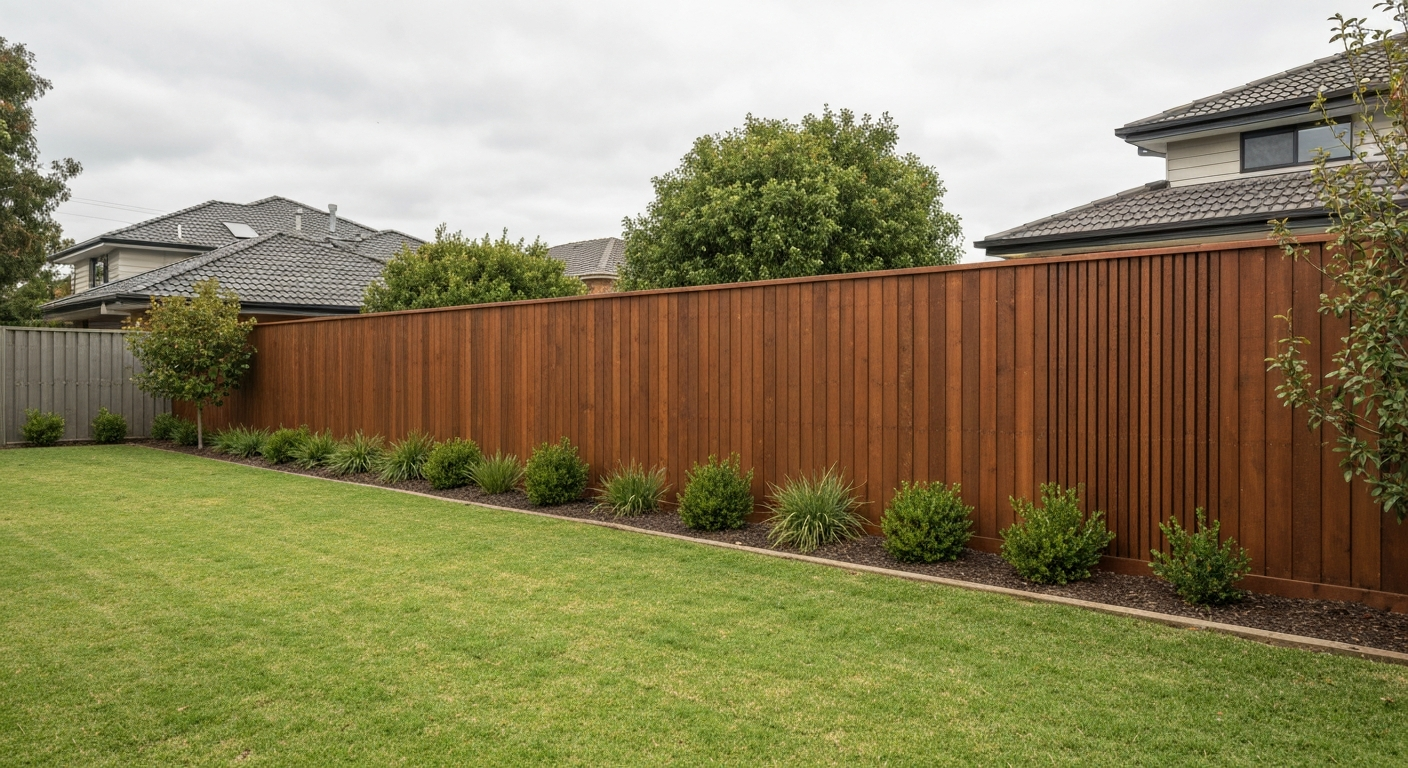
Common gateway problems include:
- Bent joint posts or shifted hinge brackets
- Sagging on the latch side because of a compromised hinge-side foundation
- Racking that makes the gate close however not latch comfortably
- Bent lock equipment that still clicks but does not straighten dependably under wind tons
Sometimes you can bring back a gateway by re-hanging it and changing a pair hinge components. Other times you require to restore eviction frame, especially if the tornado turned the rails. If you keep requiring placement with bent equipment, you take the chance of damaging something once more during the initial gust.
Weather removing and drainage: quit the re-damage loop
One factor fencings fail repetitively after tornados is that absolutely nothing stops the same water and tension from taking place once more. If your fencing line rests near a slope, tornado drainage can continuously fill the base of messages. Leaves and particles can catch wetness versus wood. In some areas, rating causes water to pool directly around the fencing line.
During reconstruction, it's worth trying to find easy solutions. Regrading a small area can protect post structures. Cleaning particles can enhance air flow and lower long term wetness for wood. For gates, guaranteeing the latch area and lower clearance remain ideal can minimize the "bar result" during wind storms.
I have actually also seen fencings that were fixed without attending to where snow stacks or landscaping overflow hits them. A fencing that takes impact from landscaping tools, or that collects water versus the blog post, will certainly duplicate the failing pattern. The repair is not always major, however it is commonly more valuable than changing a couple of boards.
Matching repair design to your goals and budget
You can approach storm-damaged fencing restoration in greater than one way. Some homeowners desire "back to typical" as promptly as possible. Others want one of the most sturdy repair, also if it indicates replacing extra sections.
This is where trade-offs appear. Replacing entire areas sets you back more ahead of time yet lowers the chance of future dissimilar failings. Restoring parts expenses less ahead of time however needs more careful examination and placement to avoid covert powerlessness from reappearing.
If you are making a decision in between repair service and broader substitute, here's a functional means to think about it:
- Quick fix design: replaces only noticeably harmed elements, best when articles and structures are solid
- Structural repair service style: replaces jeopardized framework, re-sets posts as needed, focuses on positioning and stability
- Full section rebuild: changes complete panel sections or runs long stretches, best when damage prevails
- Long-term upgrade style: enhances foundations and hardware, can involve product changes for far better wind efficiency
None of these styles are "far better" across the board. The right choice depends on the amount of blog posts fell short, whether the ground rinsed, and how much the fencing was racked. A tornado that struck one corner tough may require targeted rebuilds, while a gusty night that tore across the whole line might warrant replacing longer runs for a cleaner, much more trusted result.
The function of a fence company: what to look for
A solid fence company brings greater than labor. They bring the capability to diagnose where the real failing took place and to match the repair approach to the existing system. Some firms focus on speed. Others focus on craftsmanship. The great ones equilibrium both, and they explain their thinking without patronizing you.
When you inquire about storm repair work, I recommend taking note of how they reply to in-depth concerns. Do they ask about the tornado instructions and what failed first? Do they inspect message foundations and placement? Do they clarify whether they will recycle parts, and why?
If you are intending insurance paperwork, a company that takes clear images and labels sections can conserve you migraines later on. If you are sharing a fencing with a neighbor, a company that fits going over common obligation can lower friction.
You are employing professionals, however you are also hiring a judgment design. A mindful fence company will certainly commonly identify repair services you did not believe you required. A rushed one may just sell what you asked for, even if the hidden failing pattern is bigger.
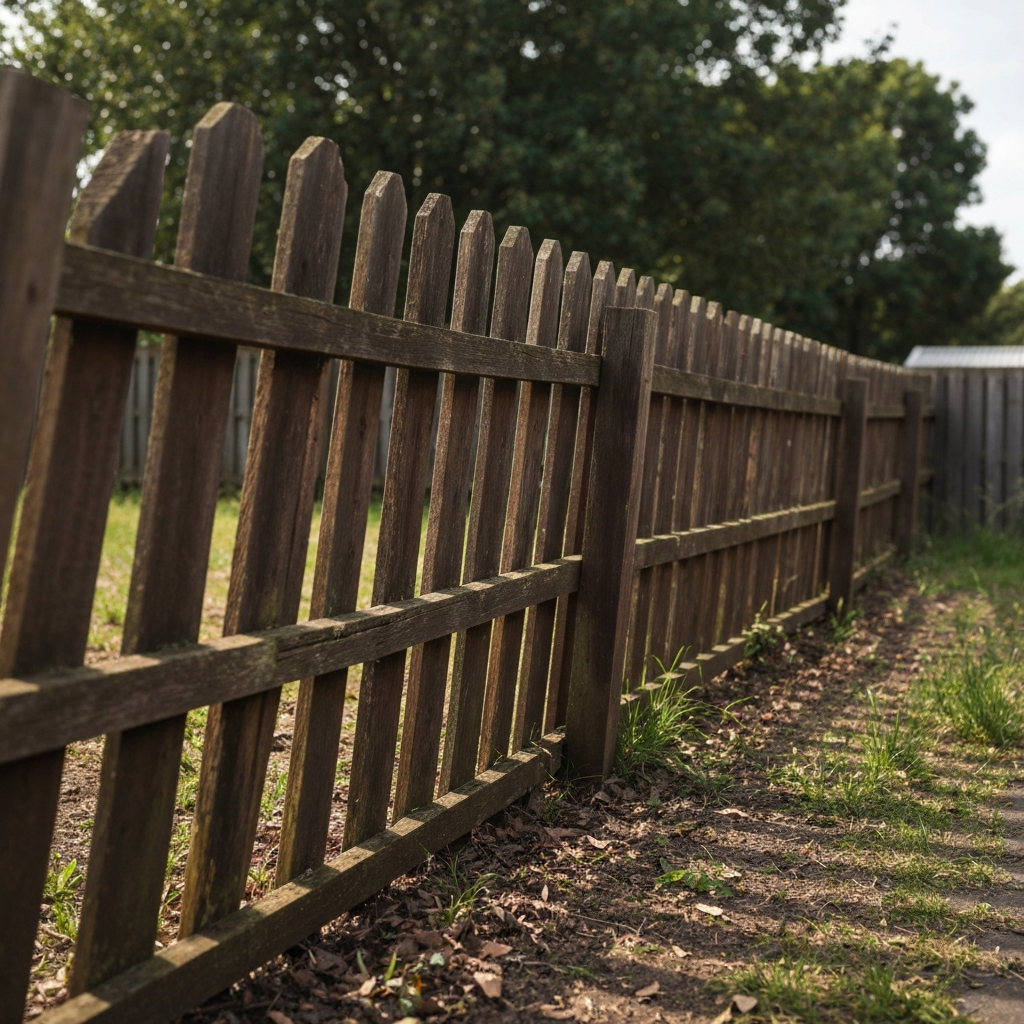
Material selections after storm damage
Sometimes you have to change areas, which's when material options matter. Wood is common, and it can be superb for long-lasting aesthetics, yet it responds to weather. Plastic and chain link deal with wetness and influence in different ways. Metal supports and higher-grade equipment can alter exactly how a fence does in future storms.
One thing to stay clear of is swapping products without thinking about compatibility. A timber fence fixed with dissimilar equipment might loosen up over time if hole sizes and bolt types do not straighten. Plastic panels need compatible braces and installing approaches. Chain link entrances need particular stress and frame alignment to execute correctly.
If you desire a fencing to survive the next tornado better, discuss reinforcement at the factors that take load. Blog posts and joint areas are usually where you obtain the most resilience per dollar, because that is where pressure travels.
A real-world fixing story: the "looks penalty from the roadway" fence
A home owner called after a tornado since their fence "wasn't regrettable." From the road, it looked primarily straight. A couple of boards were missing, and one entrance panel had actually come loose. When we walked the line, the fact was different. One post near the corner had actually moved simply sufficient that the rails were a little turned. The boards weren't falling since the remainder of the fence was still holding them, however the tension in the panel was kept in the frame.
We re-set the blog post properly and rebuilt the rail mounting so the panel hung square once more. We replaced the bent fasteners and swapped out boards that were cracked but additionally warped from the pressure. Eviction after that latched cleanly again, without fighting the joint geometry.
What surprised the property owner was how quickly the fence "really felt appropriate" once the alignment was recovered. The finish mattered, yet stability mattered more. After that repair, the fencing really did not simply look far better, it stopped acting like it was continuously trying to go back to the broken shape.
That tale prevails. Tornado damages usually conceals in the information. If you only repair what you see first, you miss out on the part that will certainly stop working next.
Maintenance that in fact aids after you repair
A fixed fence still resides in weather condition. If you desire the restoration to last, you require upkeep that matches your atmosphere. This is not about constant job. It's about tiny checks after storms, so little troubles do not end up being architectural failures.
In my experience, the simplest maintenance consists of seeking post wobble, watching gateways for sagging, and examining equipment before corrosion or loosening spreads. If you seal or stain timber, do it at the right time of year so you obtain insurance coverage without capturing moisture. For plastic and metal, watch on cracking or loosened braces, especially after repeated wind events.
Also, look for landscape concerns. If bushes or vines grow up against the fencing, they hold dampness and add take advantage of during storms. Trim anything that can catch wind and tug on the fence.
Working timelines: how much time tornado fixings take
Timing depends on parts availability, how much excavating is required, and whether you are changing several sections. A quick stablizing may take a day, however appropriate message and foundation job is hardly ever a one-day task, specifically if concrete removal and re-set are included. If the fence line is considerable, prepare for a couple of days of work and some interruption while areas are stabilized.
A good fence company will establish expectations clearly. They should inform you what jobs call for climate home windows, which tips can proceed instantly, and what would hold up the schedule.
If you are collaborating with next-door neighbors for shared fence, timeline matters even more. It's much better to validate responsibilities early than to start one side and afterwards pause.
Choosing your next step
Storm-damaged fence remediation is equivalent parts repair service and examination. You are not simply putting boards back. You are restoring a system that can deal with wind, moisture, and the sluggish settling of soil after hefty rain.
If your fence is down, begin with safety and stabilization. Walk the line like an investigative, seek structure indications, check placement, and pay attention to equipment. Make a decision whether you are repairing the surface area damage or restoring the structure that stopped working. And when you generate a fence company, select one that identifies thoroughly, explains their plan, and does not deal with the work like a parts swap.
The daring component of this job is that you can feel the fencing return to life as you recover its framework. The minute an entrance shuts cleanly once more, the minute a panel quits twisting under its very own weight, you recognize the repair work is real. That's what you're chasing a tornado, not just the appearance of a fence, but the self-confidence that it will certainly stand when the next gust rolls in.