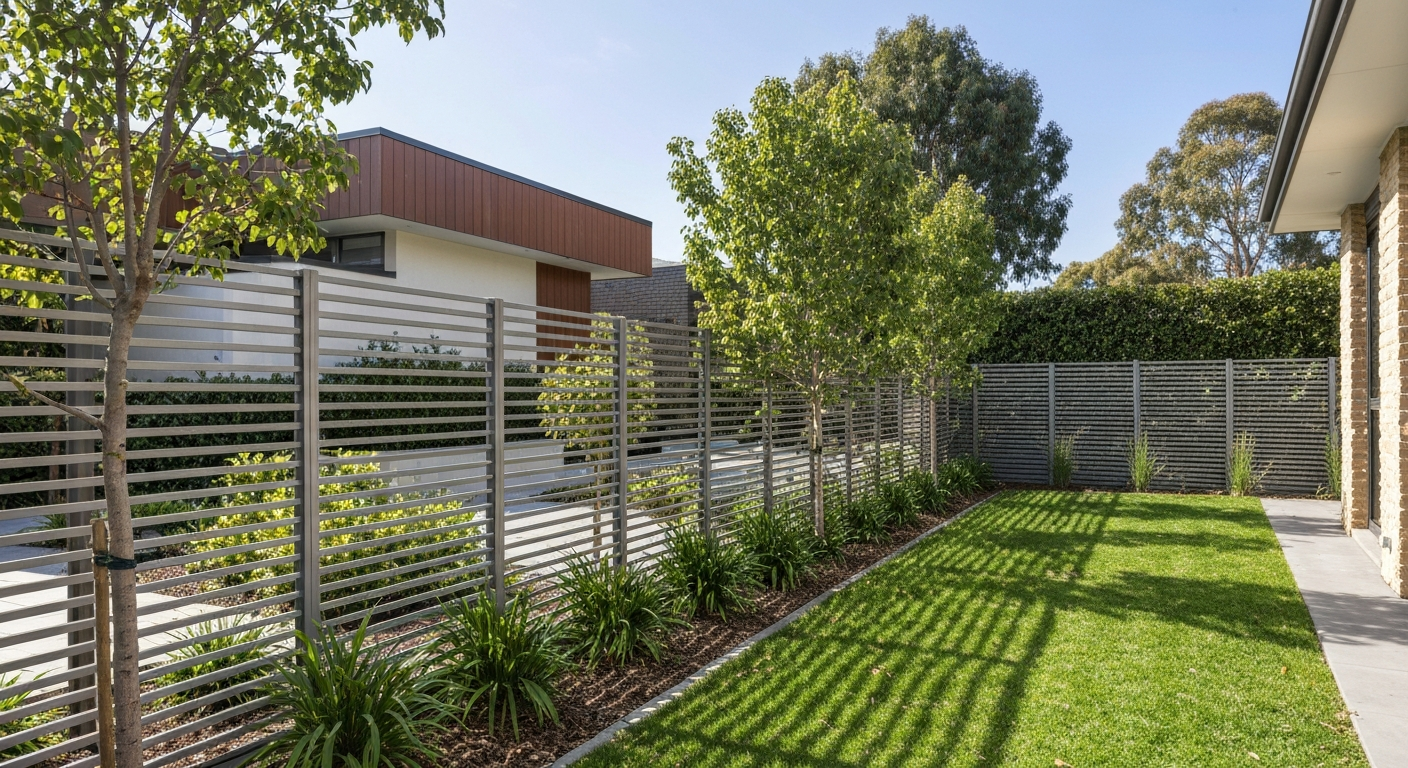
Choosing Fencing Products for Coastal or Humid Climates
A surround a seaside or humid climate has to do more than look excellent from the street. It needs to endure continuous dampness, salt-laden air, rapid cycles of damp and dry, and the kind of moisture that transforms every "period" right into a slow-moving deterioration test. I have enjoyed completely audio fencings soften, warp, split, and fall short long before the house owner anticipated, and it seldom comes down to one significant blunder. It boils down to choosing a material that matches the physics of your site.
If you are working with a fencing contractor, or coordinating with a fencing company, material option is the conversation that must happen before authorizations, prior to layout stakes, and long prior to anyone starts acquiring lumber. Once messages are established in concrete or brackets are installed, you are locked right into the homes of that material. The better action is to decide early, with your actual setting in mind, not a pamphlet version of the environment.
The genuine opponents in seaside and moist areas
Coastal air carries salt. Salt is destructive, and it does not behave like "just water." It bonds to steel surfaces, creeps right into fasteners, and speeds up rust even when rain seems seldom. After that humidity does its very own damages. In lots of seaside areas, the air is damp sufficient that surface areas never ever completely completely dry between dew and fog. That relentless moisture adjustments what occurs to wood, composite boards, and even vinyl.
In inland humid locations, the stress pattern shifts. You may not have salt, however you have actually prolonged wetness and high biological activity. Mold and mold expand on shaded fence lines. Bolts corrode anyhow, due to the fact that humidity and entraped dampness are still water in a various outfit. Fencing boards that look "fine" during examination can be undermined from the within out, especially where water gathers at the bottom edge.
There is also wind. Coastal winds push dampness sidewards into joints, under rails, and behind pickets. If your fence layout has limited gaps that catch water, you can obtain accelerated rot and coating failure. On the other hand, excessive openness can mean salt spray develops on horizontal surface areas and stains faster.
The fence material issues, however so does information job: hardware type, layer thickness, article spacing, drainage, and just how the fencing is oriented to dominating wind.

Wood: lovely, however it needs a major plan
Wood is the traditional selection for domestic fences, and it can still be a terrific selection. The inquiry is which wood, what grade, and exactly how it is ended up and assembled.
Pressure-treated lumber
Pressure-treated lumber is common due to the fact that it is easily offered and it withstands rot far better than untreated wood. In humid and coastal setups, treated wood still has limitations. If you catch water versus it, or if you secure it incorrectly, it can divide or warp. Treated wood is additionally frequently used with typical exterior bolts. Those bolts matter as high as the wood.
If you go this path, demand exterior-rated hardware, and make certain the style does not create pockets where water sits for days. A fencing with strong rails that shed water much better will typically age much better than one that holds moisture in the very same place season after season.
Cedar and redwood
Cedar and redwood naturally stand up to rot contrasted to several various other timbers, which is why you see them in seaside landscapes. They succeed when they can dry out effectively and when air movement isn't obstructed by landscape design that hugs the fencing line. Cedar can still bleach and grey under UV direct exposure and salt air, however that is cosmetic. The larger problem is moisture trapped at joints.
Where wood stops working early in coastal areas is usually at the fastener factors and at the bottoms of pickets where water sticks around. An excellent fencing contractor will certainly prepare for drying, and they will certainly treat the critical sides like they matter, since they do.
Tropical woods and "exotic" woods
Some property owners like tropical hardwoods since they are thick and can be really sturdy. Durability differs by types, and finish strategies matter. In damp locations, also resilient woods can suffer with the wrong finishing, especially if the item traps moisture under layers.
If you are taking into consideration a "costs wood" option, ask straight concerns: what species specifically, what is the dampness content at set up, and what are you using for hardware? If the solutions are unclear, treat it as a red flag.
Composite and plastic lumber: reduced upkeep, however enjoy the details
Composite secure fencing and plastic lumber have earned their online reputation due to the fact that they do not rot like timber. That is the heading. The reality is a lot more nuanced. Several composites and vinyl-like items are dimensionally secure, which helps with bending and splitting. They still encounter troubles from warmth, impact, and surface staining.
In humid environments, mold can expand on the surface even when the product is rot-resistant. Typically it is more of a cleansing issue than an architectural one, yet if you like the "set it and forget it" promise, intend on regular wash-downs.
In seaside locations, salt can discolor and deposit on straight edges. If your fence style makes use of rails with level tops, anticipate extra noticeable build-up than on layouts that drain well. Additionally take into consideration that some composite systems are made with internal elements that broaden and contract in a different way. That can show up as bolt stress troubles in time if the setup directions are ignored.
The other problem is just how boards are installed. Some systems utilize surprise fasteners, which can be terrific, but just if the system is intended for exterior direct exposure and the equipment is corrosion-resistant. A fence company that installs composites correctly will comply with the product's bolt spacing guidelines and leave correct activity where required.
Metal fences: terrific stamina, ruthless rust risk
Steel and aluminum fences can be outstanding in humid and coastal environments, however the "metal" category is not one material. It is a family members, and rust resistance rests on coverings and hardware.
Aluminum
Aluminum is frequently the victor for seaside areas when you want a typical fencing look with very little rot risk. It commonly does not corrosion like steel, and it is lightweight sufficient that several installments are uncomplicated. Still, seaside air can increase pitting relying on surface quality and just how well the surface is protected.
If you see a light weight aluminum fence with a bargain coating, you may notice dulling, discoloration, or small surface area damages faster than anticipated. That does not always suggest structural failure, however it can impact appearance quickly. In greater moisture, surface area grime also sticks more readily.
Steel
Steel fencings can be strong and long lasting, however you need to be picky. Search for galvanization top quality and a robust powder coat, especially if you have salt. The sides and weld factors are where deterioration begins if the protective layer is compromised.
Hardware option is essential. If you connect steel rails with uncoated or slim bolts, corrosion can begin at the factors initially and then spread. It is a timeless pathway: dampness reaches the steel user interface, rust kinds under the finishing edge, and the damage gradually creeps outward.
Stainless
Stainless hardware can help with longevity, yet it is not a magic stick. Stainless stands up to rust far much better than normal steel, but it still needs to be compatible with the rest of the system. In some arrangements, different steels can cause galvanic corrosion if water and salt bridge the space. That is a detail a competent fencing contractor make up during material selection.
Vinyl: looks steady, however it is not unsusceptible to moisture problems
Vinyl fencing is popular due to the fact that it is very easy to keep. In moist and coastal climates, plastic has a significant advantage: it does not take in water and it does not rot. Nonetheless, it can struggle with surface dirt and mildew development in shaded areas. It can also warp or loosen up if the system is installed without right development allowance.
In coastal locations, vinyl often tends to hold up well visually if the item high quality is respectable. Where you can obtain difficulty is at joints, message caps, and corners. If voids enable water intrusion right into interior post cavities, you might see staining or joint concerns. Some products have designs indicated to decrease this, however installment still matters.
If you go vinyl, ask the fencing contractor just how they handle temperature level development, and confirm the article hole deepness and concrete techniques line up with the producer's advice. "We constantly establish articles like this" is not a technique in severe climates.
Pressure and article setups: the part individuals overlook
No issue what material you choose, your post technique and structure details will influence life expectancy more than most individuals anticipate. In moist and coastal environments, you are handling water movement with dirt. When water sits near message bases, it influences rot threat for timber and can increase deterioration at steel interfaces.
For timber fencings, the blog post base is typically the powerlessness. Rot usually starts where moisture is highest and air movement is least expensive. That implies you desire appropriate clearance above grade and a design that drains pipes. The ideal concrete deepness, use of geotextile or drain planning (where ideal), and appropriate spacing all contribute.
For steel and vinyl, article bases still matter. Trapped wetness at the base can corrode fasteners that are near grade. It also influences just how fencings work out gradually. Settling reasons imbalance, stress on rails, and eventual loosening of hardware.
The finest fences I have actually seen in moist environments are not just "the right product." They are created with water habits in mind. Bed rails are lined up so they do not hold water. Panels are spaced to lower trapped dampness. And the installment follows what the product system is planned to handle.
The type of fence style changes the risk
A personal privacy fencing with solid panels faces different anxiety than an open picket fence. Strong styles lower airflow, which can raise humidity caught on the fence surface area. If you have a fencing that blocks prevailing winds, you may expect less drying out. On the other hand, open designs permit more wind and air movement, which can decrease dampness time, but can increase salt deposition on horizontal surfaces.
Shadow matters also. A fencing that sits in full sun will certainly dry much faster after fog or rainfall. A fence behind thick hedges may stay damp, which influences mold and algae on vinyl and compounds, and rot danger on wood.
Even the instructions you face plays a role. If your residential property supports to an ocean-facing wind hallway, the salt loading can be dramatic. You can not "see" salt damage instantly, yet you can discover it later on in equipment deterioration, coating break down, and fastener staining.
Material options by climate scenario
Instead of requiring a solitary answer, I like to narrow it down by what you actually experience. Here are common scenarios I see in seaside and moist areas, in addition to what often tends to perform well.
Coastal exposure with salty spray
If you are within a couple of hundred lawns of the ocean or you get regular fog and salt-laden wind, prioritize corrosion resistance and great hardware selection. Light weight aluminum with high-grade covering and stainless or corrosion-rated fasteners commonly does well. Plastic can additionally succeed, especially when installed with development allowances and interest to upload tooth cavity information. For timber, you can make it work, however you require the best varieties and you need upkeep routines or a coating plan that can tolerate salt exposure.
Humid inland with heavy dew and shade
If you have high humidity, constant dews, and shaded locations where air does not circulate, mildew and entraped dampness come to be the headline risks. Composite and plastic still stand up to rot, but surface area growth can show up. Timber can last if the style sustains drying and if you stop wetness from collecting at the bottom sides and joints.
Mixed conditions with wind-driven rain
Some buildings get hit hardest throughout storms when wind drives rain into corners and behind boards. In those cases, the best product is the one that can keep joints completely dry or can sustain moisture cycles without deteriorating. Steel with robust layer and sealed edges can hold up. Timber can still be fine if it is put together with corrosion-resistant equipment and appropriate clearances.
There is no universal victor, but there is generally a "least bad" option for a provided yard. That is why the most effective fencing company discussions start with your direct exposure details, not simply the appearance you want.
A stubborn checklist to take to your fencing contractor
If you want a fencing that lasts instead of a fence that fails early, you need to ask inquiries that reveal whether the installer recognizes seaside or moist anxiety. Here is a short list I advise. It maintains the discussion functional and forces specifics.
- What product system are you using, and what specific quality or item name is it?
- What hardware do you install, and is it stainless or one more corrosion-rated option?
- How do you deal with message placement, water drainage, and clearance near the bottom edge?
- What finish strategy do you suggest for wood, and just how usually must it be refreshed?
- How do you prevent trapped dampness at rails, panel spaces, and message cavities?
You are not being tough. You are trying to guarantee the remedy matches the conditions. A fencing contractor that can respond to confidently is normally one that has actually built fences that survived genuine weather condition, not just suitable site conditions.
Maintenance realities, and why "reduced maintenance" can still mean work
Even the most effective material needs some treatment in seaside and moist climates, but the nature of the care modifications. Timber generally requires more hands-on maintenance: inspections, cleansing, and re-coating depending upon finish type and sun direct exposure. Light weight aluminum and vinyl usually require much less structural focus, yet they still need cleansing because salt movie and natural development accumulate over time.
Composite boards can withstand rot but still accumulate mold in shaded areas. If you ignore it long enough, mildew discoloration can end up being stubborn, and the surface can look older even if the structure is fine.
The actual maintenance decision is about how you manage expectations. If you want a fencing that looks crisp without any effort for several years, product option can aid, yet it can not remove the requirement to wash salt and crud in seaside locations. A fencing is an exterior surface area, exposed to dust, plant pollen, fog, and salts. The most effective you can do is lower the price of decrease and maintain the failing modes slow.
What I would certainly select, based upon what homeowners normally want
Homeowners typically have 2 concerns: look and durability, with budget plan someplace in the middle. One of the most costly fence is not always the best fencing, but the most inexpensive one is rarely the long-lived one in high-moisture environments.
From what I have seen, these are common "smart bets":
If you desire timeless appearance, long lasting framework, and very little rot threat, aluminum or high-quality vinyl with appropriate setup is commonly a strong selection. If you enjoy the warmth of wood and want that all-natural grain, cedar or properly picked pressure-treated lumber can last, but you require a sincere upkeep plan and hardware that can deal with salt and moisture. If you desire a blend of wood-like visual appeals and much less rot risk, compound can work well when the installment system is followed thoroughly, and when you accept that mildew cleaning may be component of the deal.
In all of these choices, the fencing company issues. Two fences made from the exact same item can mature in a different way based on workmanship, fit, drain details, and equipment selections. A wonderful fencing is not simply materials theoretically. It is just how those products are set up, sealed, and permitted to act in damp conditions.
Edge cases that cause premature failure
Some failure modes appear only in particular layouts, and they can catch also careful homeowners.
If your fence is close to sprinklers or grass irrigation, you can turn a "excellent" product right into a "stopped working" material. Repeated wetting overwhelms drying cycles. Similarly, if landscaping beds hold water versus the fencing line, the bottom rails and article bases stay damp.
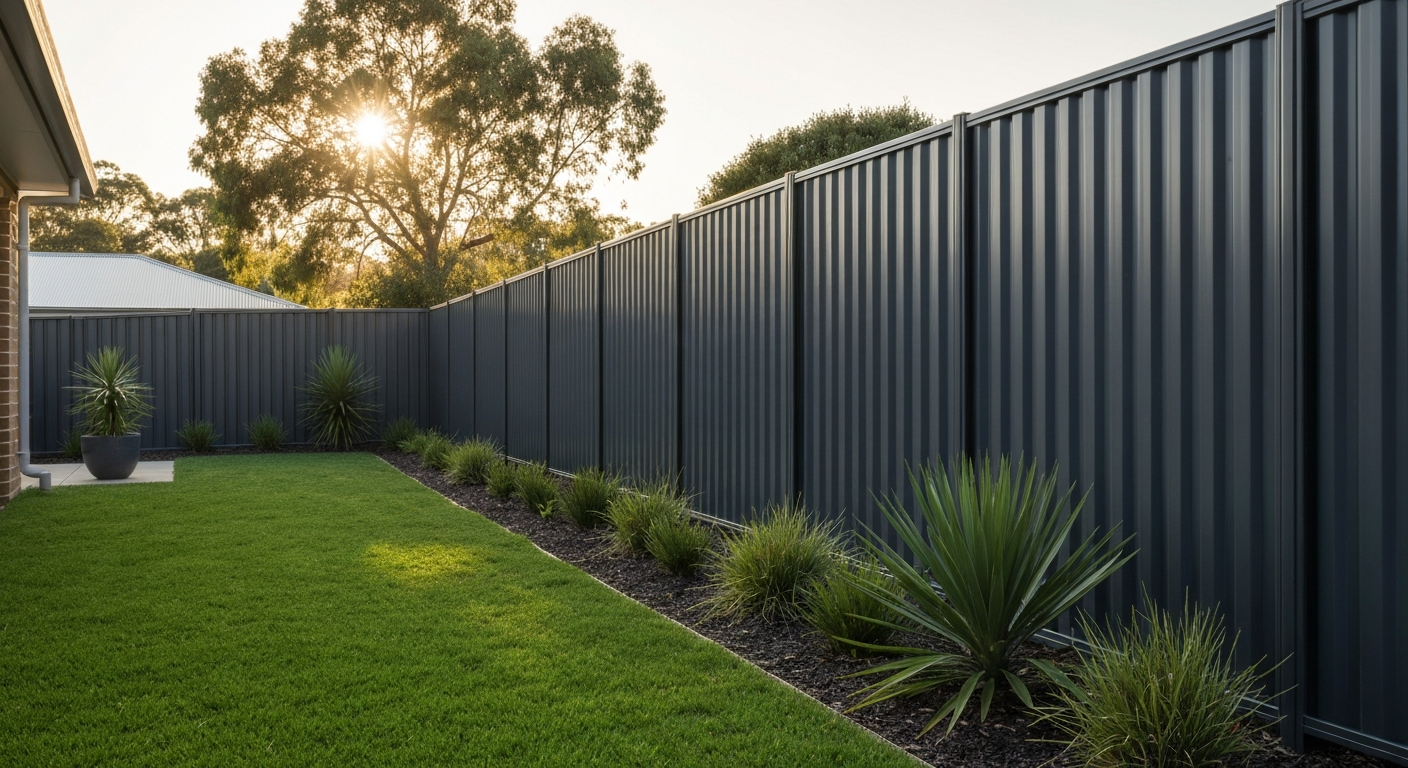

An usual blunder is blocking air movement with thick growing. Plants look good for a season, then the fence line turns into a humid pocket. If you keep hedges also close, you can create a microclimate that motivates mold and mildew and accelerates timber rot.
Another side situation is making use of the incorrect bolts. Even a premium light weight aluminum fencing can experience bolt concerns if the wrong equipment is utilized. Salt and humidity are ruthless; they locate the powerlessness and strike it first.
Finally, low areas in the lawn can develop constant dampness at one section of fencing. That is when you see local failings, like one corner decaying very first or one panel staining and bending earlier than the remainder. Site grading is not extravagant, however it matters more than people realize.
Working with a fencing contractor or fence company on a practical plan
When you are looking for installers, treat the quote like a choice tool. Ask for product specifics, not just an overall price. A fencing company that connects plainly concerning materials and equipment is normally a much better lasting companion than one that just talks about labor hours.
Also, consider for how long the firm has been constructing in your sort of environment. You are not just getting a fencing, you are getting their experience with coastal humidity, fog direct exposure, and the type of failings that show up locally.
If the professional can walk you via why they picked a certain material for your lawn positioning, you remain in good shape. If they disregard your environment problems or talk just about appearance, you might wish to look elsewhere. The fence must feel like an intended option, not a guess.
Two fast comparisons that aid you decide
Sometimes the fastest means to select is to contrast materials via the lens of just how they fail.
Corrosion versus rot: what you are truly wagering on
Wood mainly falls short through rot and splitting when moisture cycles overwhelm the product and its finish. Metal mainly fails with deterioration at layers, sides, weld factors, and fasteners. Vinyl and composite normally stop working through deformation, surface area staining, and joint or fastener issues rather than inner rot.
If your priority is decreasing organic decay, rot-resistant products like cedar (with good design), plastic, and composite typically reduce the risk. If your top priority is architectural toughness with long-lasting coating stability, light weight aluminum with the right finishing can be a strong option. If your top priority is all-natural looks and you are willing to keep, timber can still win.
Maintenance trade-offs
Wood normally requires even more upkeep. Plastic and composite commonly demand much less, but cleaning is genuine, particularly in damp shade and coastal salt exposure. Steel frequently sits in the middle, with maintenance mainly pertaining to maintaining surfaces clean and checking hardware over time.
An excellent fencing contractor can assist you pick based upon your resistance for upkeep. Some property owners prefer to cleanse mildew two times a year than refinish wood every few seasons. Others would rather take on timber care to avoid the look of synthetic surfaces. Both approaches can function if the product selection matches the climate stress.
The choice is personal, however the physics is not
Choosing fencing materials for seaside or moist climates is not concerning chasing after patterns. It is about matching the material system to water actions, air flow, and deterioration paths on your particular property.
If you take one lesson seriously, make it this: speak about hardware and installation details as strongly as you talk about the fencing color. Salt and moisture attack the weakest factor, and in fence, the weakest point is usually where products fulfill, where bolts rest, or where water pools.
Whether you are working with a fencing contractor, a fencing company, a fencing contractor that focuses on seaside builds, or a fence company that installs across several areas, promote specifics. When you obtain clear answers about materials, fasteners, article settings, and drain, you are much more most likely to wind up with a fence that still looks right and still feels solid years from now.