Garage Door Rollers Inspection Guide for Smooth Operation
A garage door rarely fails in a dramatic way without giving a few warnings first. It gets louder. It hesitates. It shudders near the floor. The opener sounds strained. The door may still move, so the problem is easy to postpone, but the movement has already changed. In many homes, the first place worth watching is the line of garage door rollers riding inside the garage door tracks.
Rollers do not work alone. They are part of a larger lifting system that includes the door sections, hinges, tracks, garage door opener, garage door springs, torsion springs on many systems, garage door cables, brackets, and safety devices. When one part starts to drag or bind, the rest of the system feels it. A rough roller can make a good opener work harder. A misaligned track can make a roller look like the problem when the real issue is the path it is being forced to follow. A door that is out of balance can put extra stress on everything.
A careful garage door inspection is not about guessing. It is about slowing down long enough to see how the door behaves, what it sounds like, and whether the safety systems still do their job. Smooth operation matters, but garage door safety matters more. A quiet door that does not reverse properly is not a safe door. A door with clean-looking rollers but faulty garage door sensors still needs attention.
This guide focuses on inspecting garage door rollers in a practical, professional way, while keeping the whole system in view. It also explains when observation is enough and when garage door repair should be left to a qualified technician.
Why rollers deserve more attention than they usually get
Most homeowners notice the garage door opener before they notice the rollers. That makes sense. The opener has the motor, the light, the remote, and the familiar hum. But the opener is not what carries the door through the tracks. The rollers are the moving contact points that guide the sections upward, around the curve, and back down again.
When the rollers move cleanly, the door feels predictable. When they do not, the symptoms can look like several different problems. A door may sound like it needs garage door lubrication. It may appear to need opener adjustment. It may seem like the garage door tracks are the source of the noise. Any of those may be true, but rollers are often involved because they sit at the point where movement, weight, alignment, and vibration meet.
A good inspection does not require forcing parts or taking anything apart. In fact, a cautious visual and operational check is usually more useful for a homeowner than trying to make repairs without the right training. Garage doors are heavy systems, and the spring assembly stores energy. Torsion springs and related hardware are not casual do-it-yourself components. If your inspection suggests a spring, cable, balance, or track problem, the safer choice is professional garage door troubleshooting.
Start with the door’s movement, not the hardware
Before looking closely at individual rollers, watch the door move through a full open and close cycle. Stand inside the garage, stay clear of the door path, and use the wall control rather than standing under or near the moving door. The goal is to observe, not to interfere.
A healthy door should move with a steady rhythm. It should not lurch at the curved portion of the tracks, jerk as it starts, or shake heavily near the closed position. Some sound is normal, especially in an attached garage where the structure carries vibration, but scraping, grinding, banging, or repeating ticks are worth investigating.
The most useful thing I have learned from service work is that the sound often tells you where to look, but not always what to replace. A clicking sound that repeats at every hinge point may point toward rollers or hinges. A scrape on one side may point toward track alignment. A groan from the opener rail may suggest the opener is carrying more load than it should. A door that rises unevenly can indicate a more serious condition involving cables, springs, or balance.
Do not disconnect the opener and try to lift the door manually unless you are comfortable doing so safely and the door appears stable. Garage door balance is a key part of smooth operation, but a door that is already behaving oddly can surprise you when the opener is released. If the door feels unusually heavy, drops, rises on its own, or will not stay in a controlled position, stop and call for garage door repair.
What to look for on the rollers themselves
A roller inspection is mostly visual and auditory. With the door closed, look at the rollers along both vertical tracks. Then, with the door open, inspect the lower and middle areas you can safely see from the floor. Avoid placing fingers near hinges, tracks, or roller stems. Pinch points are not forgiving.
The roller should sit cleanly in the track and follow the track without obvious twisting or binding. The stem should not appear sharply angled, and the roller should not look as though it is climbing out of position. If one roller sits differently from the others, do not ignore it. One odd roller can be the first visible sign of a track, hinge, or section problem.
Noise is another clue. A dry or worn roller can create a rough, rattling sound. A roller that does not rotate well may slide more than it rolls, which can produce scraping or chatter. Sometimes the door sounds loud even though every roller looks acceptable from a distance. That is when the inspection needs to widen to the hinges, tracks, opener, and overall door balance.
There is a judgment call here. Not every noisy door needs garage door replacement. Many doors need maintenance, adjustment, or a focused repair. At the same time, repeated roller problems on an older or damaged door may be a symptom rather than the main issue. A professional technician will usually look at the whole operating system before recommending a repair path.
A short homeowner inspection checklist
Use this as a simple field check, not as a repair procedure. If anything feels unsafe, stop the inspection and arrange service.
That last point belongs in every inspection, even one focused on rollers. Residential automatic garage door openers are required to include entrapment protection, such as photoelectric garage door sensors or an equivalent safety system. A properly functioning opener should reverse when closing onto an obstruction. If it does not, the issue should be addressed according to the owner’s manual or inspected by a professional. Smooth movement is not enough if the safety system is not working.
Rollers, tracks, and the problem of false clues
Garage door tracks can make roller problems look worse, and roller problems can make tracks sound worse. This is why quick diagnosis from across the garage often misses the mark.
A roller follows the track it is given. If the track is bent, loose, obstructed, or poorly aligned, the roller may bind even if the roller itself is in decent condition. On the other hand, a damaged roller can create extra vibration that makes the track hardware loosen over time. Once movement becomes rough, the system can start feeding its own problems.
This is especially noticeable at the curved section of track where the door transitions from vertical to horizontal travel. That curve asks the rollers to change direction while the door sections pivot at the hinges. If there is a rough spot, you may hear it there first. Do not try to bend tracks or force rollers into a better position. Track work affects the path of the door, and a small change in the wrong direction can create a larger safety issue.
In professional garage door maintenance, the track and roller relationship is checked as part of the larger system. The door is not judged only by whether it opens. It is judged by how it opens, whether both sides travel evenly, whether the hardware stays aligned, whether the opener reverses properly, and whether the door can be controlled safely.
The opener is not a cure for a rough door
A garage door opener is designed to automate movement, not to overpower a failing door system. When rollers bind or the door is out of balance, the opener may still pull the door along for a while. That can hide the problem until it becomes more expensive or less safe.
A common mistake is to focus only on opener settings when the door becomes unreliable. If the door stops partway, reverses unexpectedly, or strains during travel, the opener may be responding to resistance in the door. The underlying cause could involve rollers, tracks, springs, cables, or balance. Adjusting the opener without understanding the door can mask a symptom while the mechanical issue remains.
Safety reversal testing is especially important here. Non-reversing garage door openers are a known hazard. The reversal system should be tested monthly. If the door fails to reverse when it should, do not keep using it as if nothing happened. Follow the owner’s manual for adjustment, or have it inspected by a professional. If children are in the home, they should be taught to stay away from a moving garage door, and remote controls should be kept out of their reach.
This safety advice is not separate from roller inspection. A dragging door and an improperly responding opener are a bad combination. One increases mechanical resistance. The other may fail to respond correctly when resistance matters most.
Garage door lubrication and where caution matters
Garage door lubrication is often recommended because dry moving parts can create noise and friction. Used appropriately, lubrication can be part of routine garage door maintenance. Used carelessly, it can make a mess, attract debris, or give a false sense that a mechanical problem has been fixed.
The important distinction is that lubrication is not repair. If a roller is damaged, misaligned, loose, or not tracking correctly, lubrication may quiet it briefly but will not correct the emergency garage door services Gold Coast cause. If a door is out of balance or a cable is compromised, lubrication is irrelevant to the real hazard. If the garage door sensors are not working, lubrication has solved nothing from a safety standpoint.
During an inspection, look for signs that previous lubrication has collected dirt around the track or roller area. Heavy buildup can make it harder to see what is happening. Tracks should be inspected for obvious obstruction, but homeowners should avoid aggressive cleaning or adjustment around moving components unless they know how to do it safely and the door is secured.
If the door has become noisy after a long period without maintenance, a professional can determine whether lubrication, roller replacement, hinge service, track correction, or broader garage door repair is appropriate. The best repair is the one that addresses the cause, not just the sound.
Springs, cables, and balance: the parts you should respect
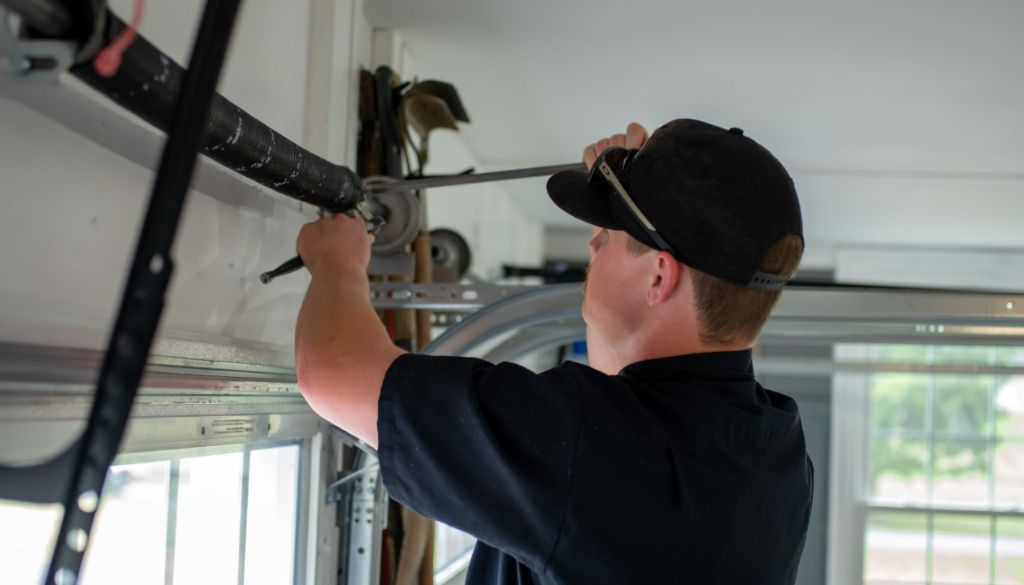
Roller inspections sometimes uncover problems that are not roller problems at all. A door that feels heavy, rises unevenly, drops quickly, or strains the opener may have an issue with garage door springs, torsion springs, garage door cables, or balance. These parts are central to how the door’s weight is managed.
This is where the line between homeowner inspection and professional service becomes firm. Springs and cables are not decorative hardware. They are part of the lifting system, and they can be dangerous if handled incorrectly. If you see a cable that appears loose, frayed, displaced, or uneven from side to side, do not operate the door repeatedly to “see if it clears up.” If a spring appears broken or the door will not move normally, stop using the system and schedule service.
Garage door balance deserves special attention because it affects nearly every other component. A balanced door is easier for the opener to move and easier for rollers to guide. An unbalanced door can make good rollers sound bad, make the opener work harder, and place uneven stress on tracks and hardware. Balance problems are a professional repair issue, not a roller lubrication issue.
When roller issues appear after garage door installation
A newly installed door should operate smoothly, but new does not automatically mean perfect. Garage door installation involves several coordinated steps performed in a physically awkward space. Work happens at ceiling height, around heavy sections, in tight areas, and with hand tools. Careful staging and safe work practices matter because small alignment errors can affect the way rollers travel.
If a recently installed door clicks, rubs, or shakes, do not assume it will “wear in.” A garage door should not need weeks of rough operation to become acceptable. It may need an adjustment, a closer look at the tracks, or confirmation that the opener and door are working together properly. The installer should be given a clear description of what you hear and where in the travel cycle it happens.
The same applies after garage door replacement. A new door on old tracks, or a new opener connected to an older door system, can reveal issues that were less noticeable before. The right question is not simply whether each part is new. The question is whether the complete system operates safely and smoothly.
Practical signs that it is time to call a professional
Some findings are minor observations. Others are warning signs. A homeowner can watch, listen, and document, but certain conditions call for trained service rather than continued use.
These signs do not all point to the same repair. One may involve garage door rollers. Another may involve springs, cables, opener settings, tracks, or sensors. The value of a professional garage door inspection is that it separates related symptoms from root causes.
How often should rollers be inspected?
A full safety check of the opener’s reversal system should be performed monthly. That monthly rhythm is also a sensible time to watch the door move and listen for changes. You do not need to turn every check into a project. A minute of observation can catch a developing issue before it becomes urgent.
Seasonal changes, frequent use, and household habits can affect how often you notice problems. A door used many times each day deserves closer attention than one opened only occasionally. If the garage is the main entry to the home, the system works harder than people realize. A family with multiple drivers, deliveries, bicycles, trash bins, and children moving through the garage should treat the door as active equipment rather than background furniture.
After any unusual event, inspect sooner. If the door was bumped, if an object interfered with closing, if the opener reversed unexpectedly, or if the door made a new sharp noise, take a closer look before continuing normal use. Garage door troubleshooting is much easier when the symptom is fresh and specific.
What a good service visit should address
When you call for garage door repair because of roller concerns, the service should not stop at a quick glance. A competent technician should observe the door in motion, inspect the visible roller and track relationship, check related hardware, evaluate the opener’s behavior, and consider the safety systems. If the problem involves balance, springs, cables, or alignment, that should be explained plainly.
Good service also includes practical communication. You should understand whether the problem is urgent, whether continued operation is unsafe, and whether repair or garage door replacement makes more sense. Not every noisy door needs replacement. Not every roller complaint needs a full overhaul. But a door with multiple worn or unsafe components may justify a broader repair plan.
Be wary of any recommendation that ignores safety reversal testing or garage door sensors. Federal safety requirements for residential automatic openers exist because entrapment hazards are real. A door that rolls smoothly but lacks working entrapment protection is not properly addressed.
A professional way to think about smooth operation
Smooth operation is not just quiet operation. It is controlled movement, proper tracking, balanced lifting, reliable stopping, and working entrapment protection. Garage door rollers play a major role, but they are part of a system that must be judged as a system.
When inspecting rollers, keep your attention broad. Watch the door before staring at parts. Listen for patterns. Compare one side with the other. Notice whether the opener sounds like it is assisting a well-balanced door or dragging a reluctant one. Test the reversal system monthly. Keep children away from the moving door and keep remote controls out of their reach. If something looks wrong, resist the urge to force it, bend it, or keep cycling the opener until the noise disappears.
A garage door gives useful warnings when you know how to read them. Rollers that chatter, bind, or sit poorly in the tracks deserve attention, but the best inspection also respects the springs, cables, tracks, opener, sensors, and balance behind the motion. That broader view is what keeps the door moving smoothly, and more importantly, keeps it operating safely.